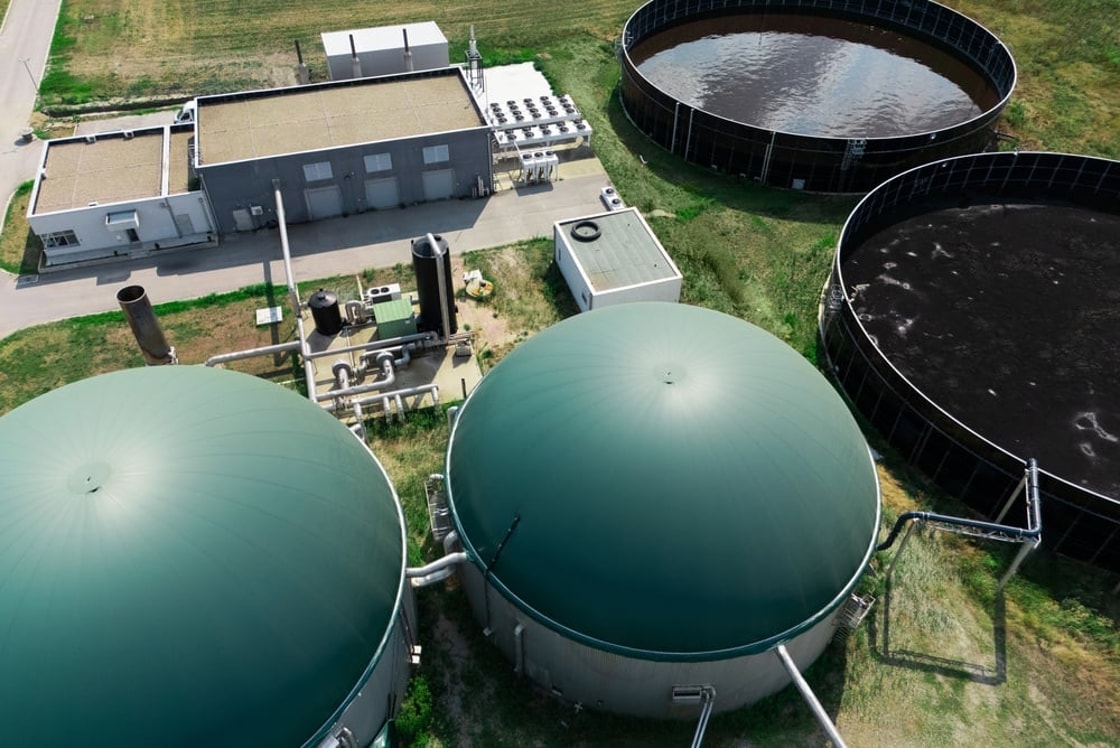
The UK Government’s plans to bring energy prices in line with Europe risk overlooking the potential of biomethane to reduce costs and support the country’s transition to net zero, according to the Anaerobic Digestion & Bioresources Association (ADBA).
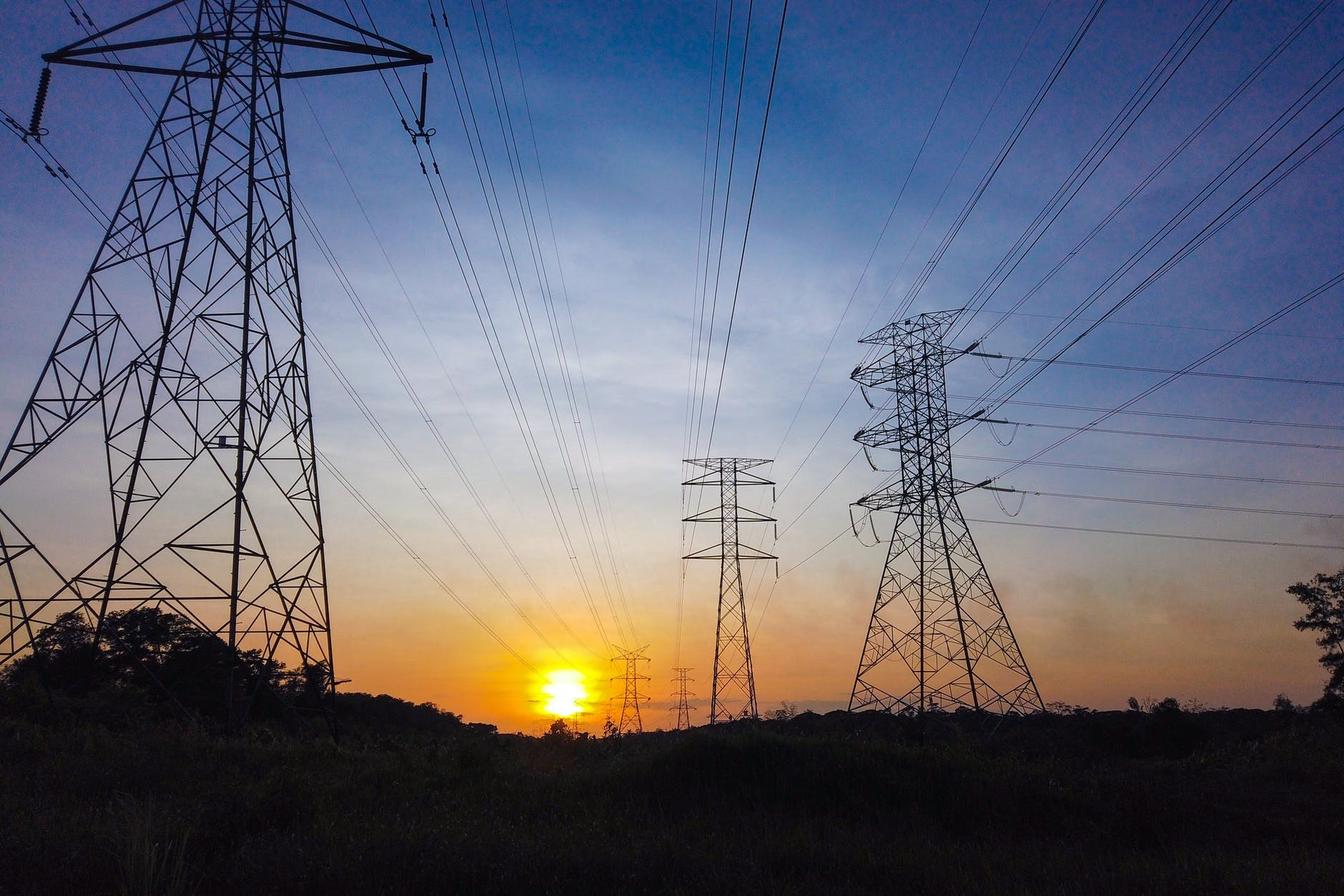
Responding to the Prime Minister’s announcement of the Great British Grid on 29 September, the trade association said the plans focus too heavily on new electricity infrastructure while neglecting the potential of domestically produced green gas.
ADBA cited its 2024 report, The Role of Green Gas in Net Zero: Cutting the Cost of Keeping the Lights On, which estimated that greater use of British biomethane could reduce the cost of achieving net zero by £298bn by 2050. This equates to an estimated £415 in annual savings for every UK household.
The report, which used the same energy system assumptions as the Department for Energy Security and Net Zero (DESNZ) and the National Energy System Operator (NESO), identified potential savings in electricity transmission investment through greater use of biomethane.
Unlike renewable electricity, biomethane can be transported and stored using the UK’s existing gas infrastructure, potentially reducing the need for additional investment in electricity networks.
ADBA also pointed to the National Audit Office’s assessment that upgrading the UK’s electricity transmission network could cost £70bn. Skills shortages and supply chain constraints are among the obstacles facing the expansion, with some equipment orders placed today not expected to be delivered until 2029 at the earliest.
The association argued that diverting uncommitted funding from Great British Energy’s existing budget towards domestic biomethane production could bring an additional 10TWh of energy online by 2030.
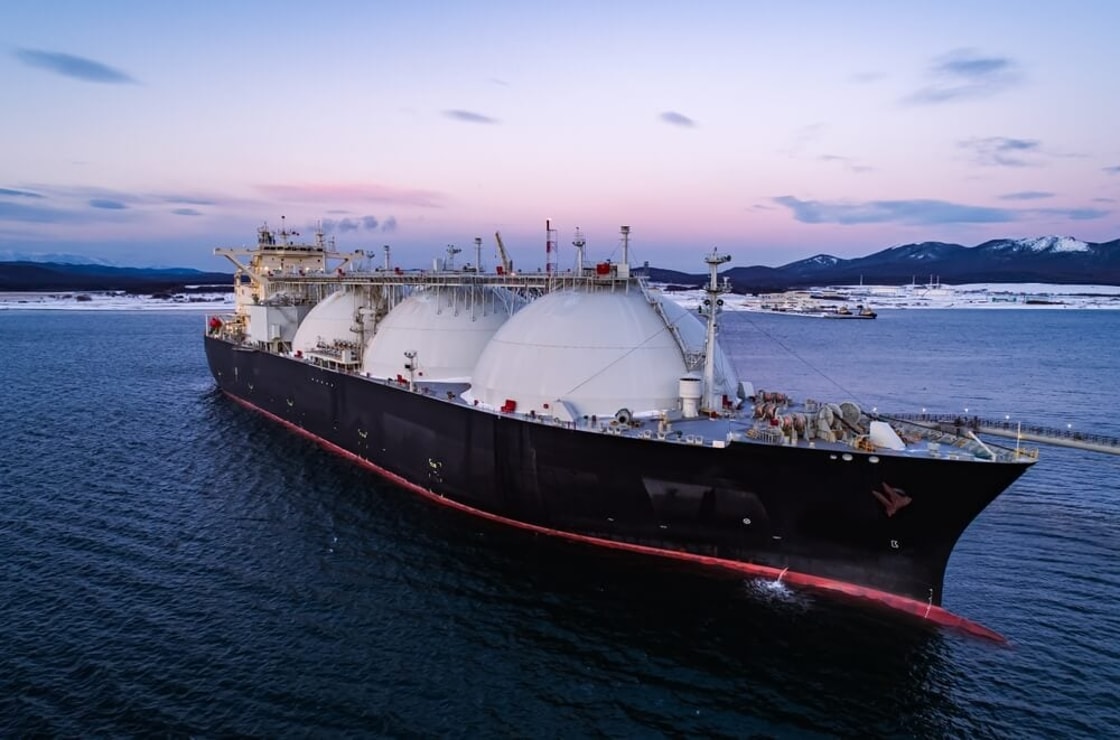
This could support domestic heating, industrial activity and energy security, while reducing the UK’s reliance on imported liquefied natural gas (LNG), particularly from the US.
However, expanding production may not necessarily require building entirely new facilities. Existing anaerobic digestion (AD) plants could also provide additional capacity if investment and regulatory barriers are addressed.
As reported by gasworld earlier this month, hundreds of UK biogas and anaerobic digestion plants face decisions over whether to invest in equipment upgrades or risk closure. Many were originally built to generate electricity through combined heat and power (CHP) systems rather than produce biomethane for injection into the gas grid.
Upgrading existing facilities to produce biomethane can cost between £400,000 and more than £3m, but retrofitting can be 40 to 60% cheaper than developing a new greenfield plant, according to gasworld’s analysis.
ADBA has previously highlighted the potential to increase output from existing facilities, with production caps preventing some plants from maximising their capacity despite having the technical capability to do so.
Chris Huhne, Chair of ADBA, said the Government was overlooking an opportunity to reduce energy costs by making greater use of existing infrastructure.
“The Prime Minister says the energy market is broken, and he’s right. But his answer is to pour more money into wires while overlooking a British fuel that can cut the cost of net zero by £415 a year for every household through pipes already under our feet,” he said.
Huhne also pointed to France’s green gas sector, arguing that the country’s approach demonstrates the value of combining renewable electricity with storable renewable fuels.
“France has some of the cheapest electricity in Europe and yet is growing its green gas sector faster than anywhere else because Paris understands the value of a storable, reliable and ready renewable fuel,” he said.
“Green gas can keep the lights on during long winter nights when there is no sun and little wind.”
ADBA said domestic biomethane production could also support British farmers and rural economies, while contributing to decarbonisation and carbon removals.
Huhne added that the UK needed to consider the role of green gas alongside investment in electricity infrastructure.
“Building grid is necessary, but it is slow and expensive. Green gas is ready now. A government serious about closing the gap with Europe cannot keep leaving it out of the plan,” he said.