By
50 min ago 2 min read
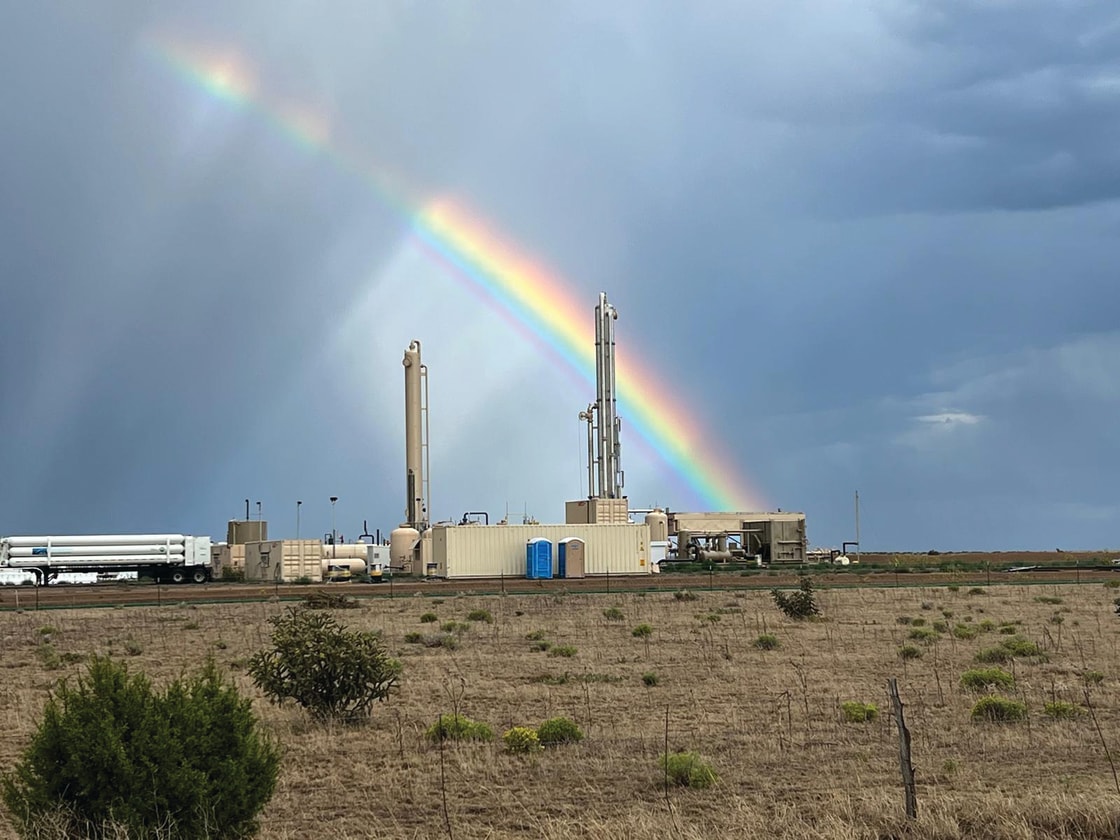
Chinese state-owned steel producer Shougang Group and global mining firm Rio Tinto have commissioned an industrial-scale blast furnace carbon capture trial facility at the Shougang Jingtang base in Tangshan City, Hebei Province.
From Shougang’s ironmaking operations, the facility can capture up to 10,000 tonnes of carbon dioxide (CO2) from blast furnace gas each year.
The companies are exploring CO2 utilisation pathways, including converting CO2 into syngas to be recycled back into steelmaking operations, lowering the amount of new carbon required to make steel.
gasworld understands Rio Tinto plans to utilise all 10,000 tonnes of captured carbon for biomass gasification, and if successful, there are plans to further scale carbon utilisation. However, these plans are still under development.
CO2 is a key agent in the biomass gasification process that produces syngas.
In 2024, Shougang and Rio Tinto commissioned a smaller-scale blast furnace carbon capture facility as part of its phased technology development programme.
The programme is part of the companies’ research and development partnership announced in 2022, aimed at maturing technologies that reduce carbon emissions across the steel value chain.
This covers low-carbon sintering, blast furnace and basic oxygen furnace optimisation, and carbon capture and utilisation technologies.
The partnership believes using waste heat from existing operations has the potential to lower carbon capture costs and support the future deployment of carbon capture technology across steel mills.
Zhu Guosen, Vice-President of Shougang, said, “This achievement represents an important milestone for blast furnace decarbonisation and provides valuable demonstration value for reducing emissions in the conventional steelmaking route.”
According to Wood Mackenzie, in 2025, China’s steel sector had an overcapacity of more than 50 million tonnes, which is projected to rise to 250 million tonnes over the next decade.
The consulting firm said China’s transition to greener steel production is a challenge because of the industry’s giant, young, and fragmented blast furnaces.