

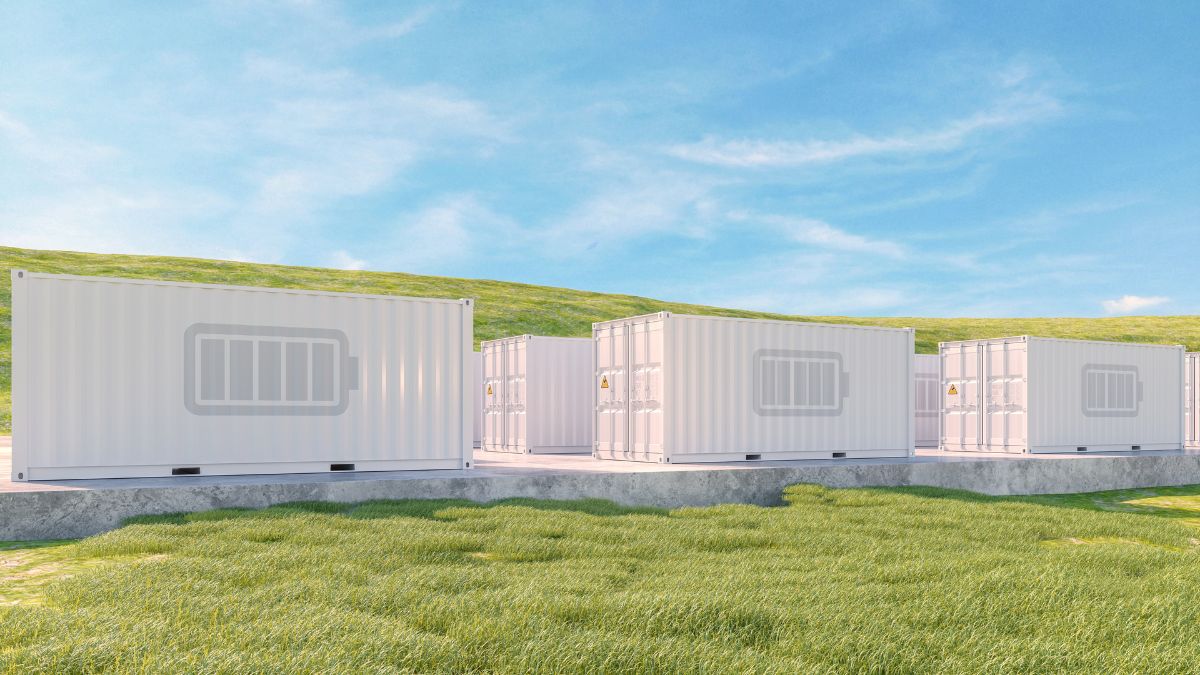
South Africa’s government has announced a new energy procurement strategy for 2026 to 2037, with a strong focus on battery energy storage, renewable generation, local manufacturing, and improved electricity access. The strategy is aimed at strengthening the national electricity system and preventing future power shortages.
Under the new plan, South Africa will significantly increase battery energy storage capacity to 4,600 MW. The government plans to prioritize battery storage because the national grid is expected to experience increasing amounts of surplus electricity during off-peak periods as more wind and solar power projects come online.
The batteries will be used to absorb excess electricity when renewable generation is high and supply it back to the grid during periods of peak demand. Officials believe this approach will help improve grid stability while allowing the country to integrate larger volumes of renewable energy.
The procurement strategy will also include additional electricity generation from solar, wind and gas-to-power projects. The government intends to link the energy procurement programme with economic development by increasing local manufacturing and supply requirements. This is expected to encourage South African companies to participate in the growing energy infrastructure market and reduce dependence on imported equipment.
Another major proposal is the development of “power parks”. These industrial hubs will locate electricity generation facilities close to large industrial consumers. By matching generation with demand locally, the government expects to reduce pressure on existing transmission infrastructure and improve the reliability of electricity supplied to industrial users.
Minister of Electricity and Energy Kgosientsho Ramokgopa also highlighted the affordability challenge facing South African households. Although the country can experience periods of excess electricity generation, many poorer households continue to struggle to access electricity because of high costs.
The government is therefore reviewing the electricity pricing framework to explore ways of using surplus daytime generation to reduce consumer costs. The approach could make better use of renewable electricity generated during periods of strong solar output.
The government has also reported progress in reducing load-related electricity disruptions, with load reduction ended in seven of South Africa’s nine provinces. Infrastructure upgrades are continuing in Gauteng and KwaZulu-Natal, where illegal electricity connections and rapid urban growth have contributed to network problems.
In addition, South Africa is examining whether surplus electricity could be used for Bitcoin mining. Discussions involving Eskom, the energy ministry and industry participants suggest that Bitcoin mining could potentially absorb between 1 GW and 3 GW of excess electricity over the next two years.
The combined measures are intended to improve grid stability, support renewable energy growth, attract local investment and strengthen South Africa’s electricity system over the long term.
Subscribe to get the latest posts sent to your email.








)
