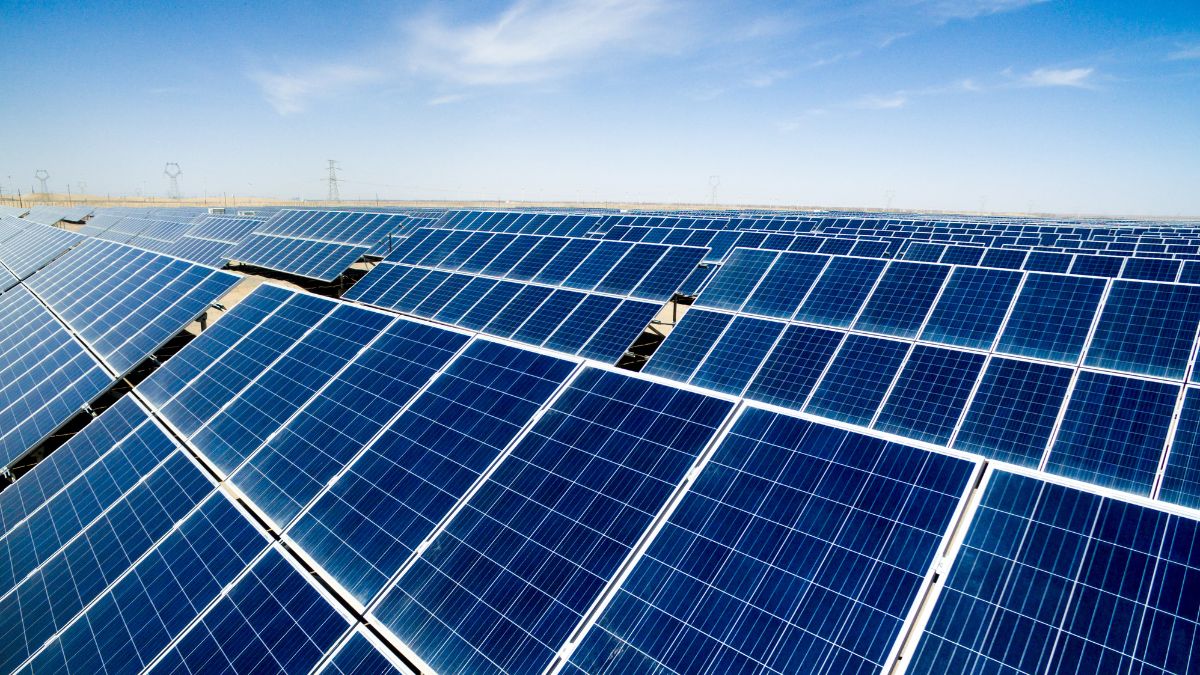
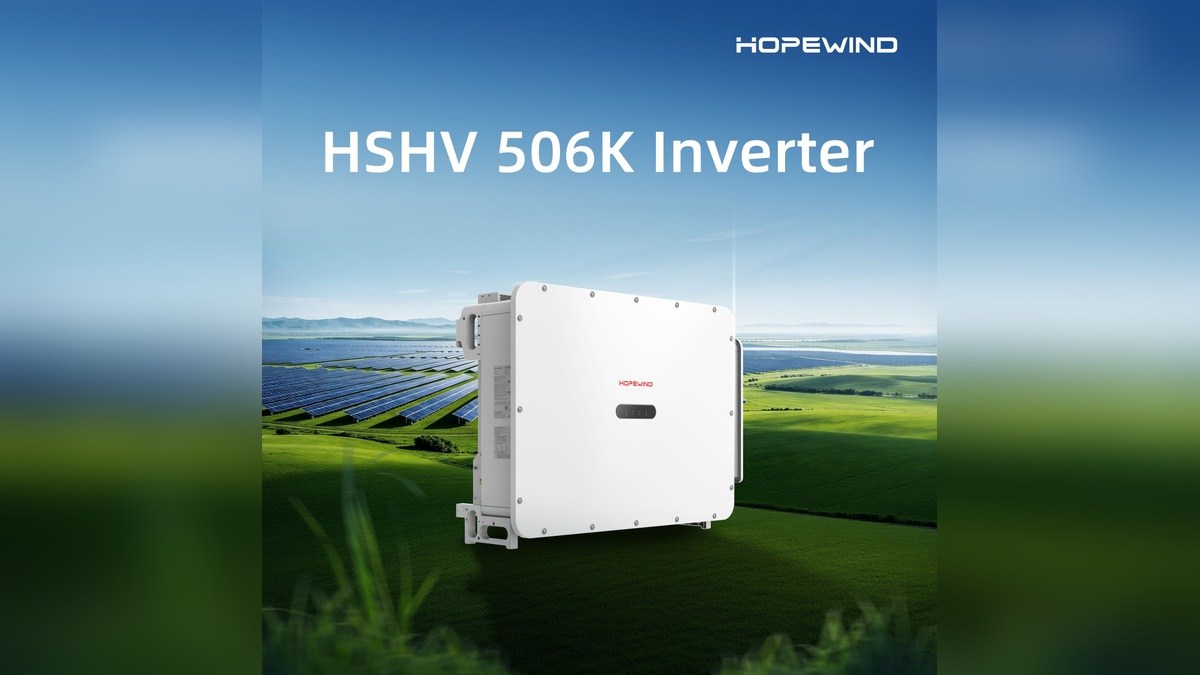
As utility-scale solar projects across India continue to expand in size and complexity, challenges surrounding grid adaptability, extreme environmental conditions, and project economics are becoming increasingly critical for local developers. Hopewind’s new 506 kW string inverter addresses these market-specific requirements with a high-power architecture, intelligent protection functions, and advanced grid-forming capability, bringing a robust new option for utility-scale PV applications to the region.
Overcoming Grid Quality Challenges in the Indian Solar Market
The rapid expansion of large-scale solar plants highlights weak grid conditions and poor grid quality as primary technical headaches for project operators. Hopewind’s 506 kW inverter is engineered to address these stability issues by supporting grid-forming operation and full-power output at a short-circuit ratio (SCR) of 1.05 or higher. This capability allows the system to remain reliably connected and support the network under specified grid voltage disturbances through high-, low-, and zero-voltage ride-through (HVRT, LVRT, and ZVRT) functionalities.
Engineered for High Temperatures and Demanding Environments
Indian solar installations routinely face severe environmental stress, from peak summer ambient temperatures to heavy dust exposure, across the country, including key solar hubs like Rajasthan and Gujarat. To maintain continuous generation without critical downtime, the inverter platform leverages advanced Silicon Carbide (SiC) technology, which improves thermal management and allows the unit to deliver a full 506 kW output at 40°C and 460 kW at 45°C. Designed for durability in harsh terrains, the system features IP66 ingress protection and C5 anti-corrosion safeguards to resist dust and moisture accumulation. Furthermore, power line communication (PLC) over distances exceeding 1,000 meters offers greater deployment flexibility across varied terrains and complex equipment layouts.
Next-Generation Technology to Optimize Project Economics
With local developers continuously seeking ways to optimize overall system economics and reduce initial project expenditures, overall plant architecture efficiency is vital. The inverter’s 1500 V DC / 1000 V AC design is specifically intended to streamline plant configurations, reduce line losses, and minimize overall system expenditure. Driven by the high power density of its SiC platform, the inverter achieves an exceptional maximum efficiency of 99.11%, ensuring maximum power yield throughout the project lifecycle. Six MPPTs and a high-current input stage, rated at up to 105 A per MPPT, enable compatibility with modern high-power and bifacial modules, with a maximum short-circuit current of 157.5 A ensuring adequate DC input capacity and MPPT flexibility.
Intelligent Protection & Maintenance
To lower ongoing operational costs and minimize the need for manual site interventions, the inverter integrates comprehensive diagnostic and self-cleaning mechanisms. Because inverter downtime does not always indicate a hardware failure, accurate fault diagnosis is essential for maintaining high plant availability. String-level arc-fault circuit interruption (AFCI) detects arc faults by calculating and analyzing the current frequency to check for specific arcing signatures andrecognize anomalies. MPPT-level insulation fault location helps pinpoint insulation issues, while smart I-V curve diagnosis provides another way to identify potential abnormalities in PV strings. DC and AC terminal temperature detection adds a further safeguard by monitoring connection temperatures. Together, these capabilities and the intelligent fan self-cleaning can help identify potential faults and reduce the need for some manual inspection and troubleshooting activities, helping operators identify potential issues and target troubleshooting more precisely.
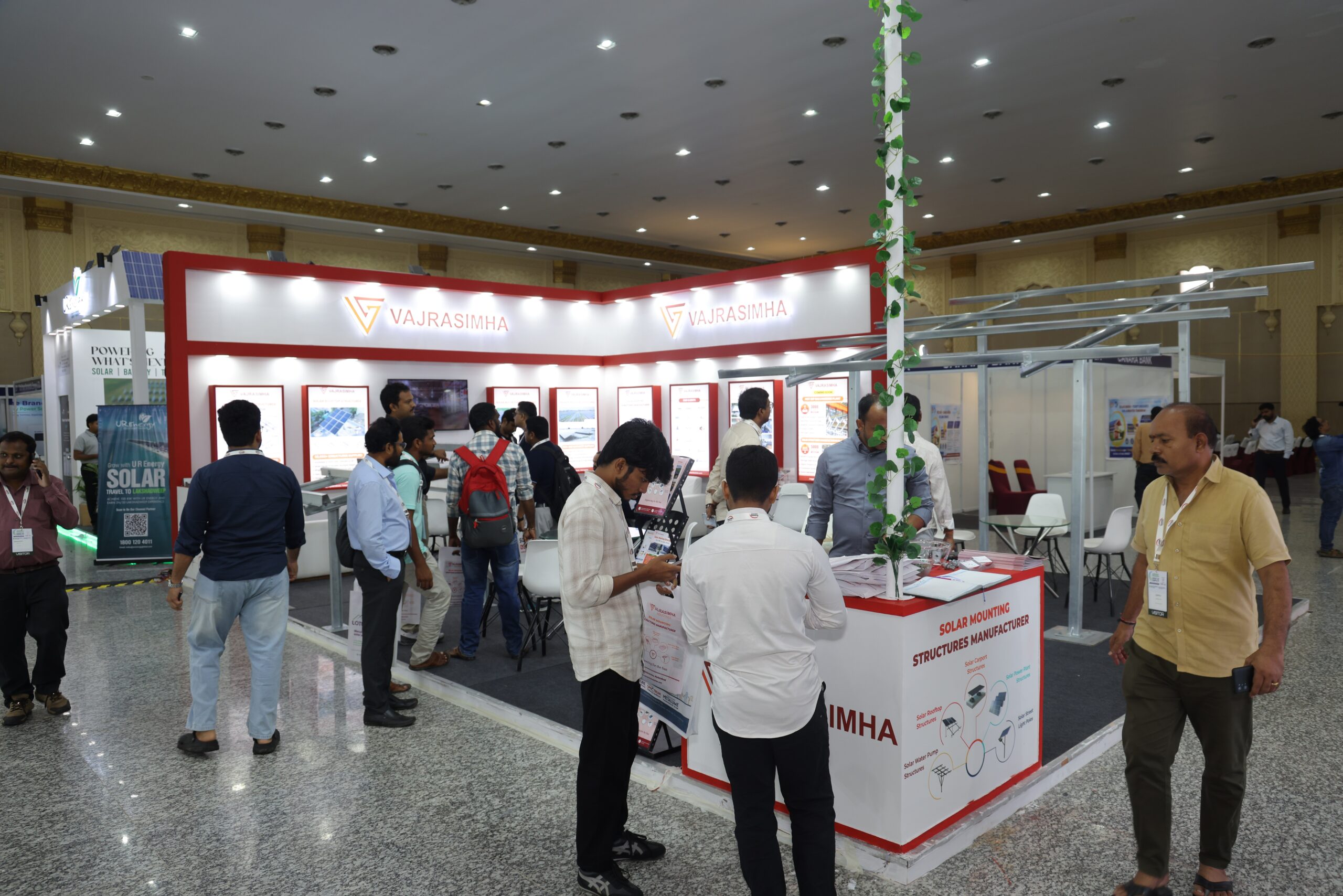
The future of Indian solar belongs to technologies engineered to seamlessly adapt to grid constraints and extreme climate challenges. By mitigating weak-grid vulnerabilities and delivering reliable performance across the country’s harshest landscapes, Hopewind’s 506 kW string inverter sets a major benchmark for what a modern solar plant can achieve. Step into the next era of high-yield solar technology and visit the Hopewind booth no. B535, Hall no. 11 at REI Expo 2026.

Subscribe to get the latest posts sent to your email.