By
3 hours ago 3 min read
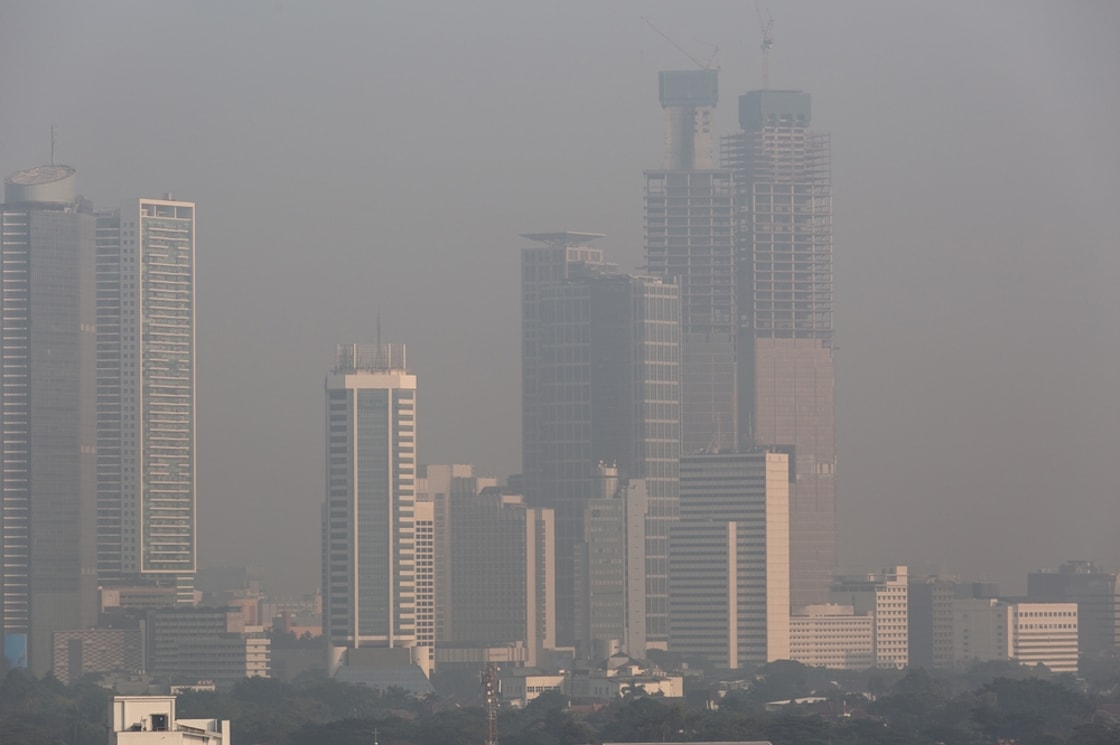
Indonesia is turning to experimental dry ice dispersal to tackle a toxic haze from wildfires, as worsening air quality across Southeast Asia drives demand for oxygen tanks and air purifiers.
For several months, smoke from the fires has contributed to deteriorating air quality across the region, raising health concerns and driving demand for equipment to help people breathe more safely.
According to a report by AFP, Malaysia-based medical equipment company AA Alive has recorded a 35% increase in oxygen tank sales amid the haze. At the time of the report, the company was delivering around 40 rental units a day, according to founder Evin Lim.
An oxygen tank can provide around three hours of continuous use, while an oxygen concentrator – also supplied by the company – can operate for around 24 hours.
The haze is also affecting equipment maintenance. AA Alive technician Mubassar Khan told AFP that pollutants have halved the lifespan of oxygen concentrator filters, which would normally be replaced after 1,000 hours of use.
“During haze we check them after about 500 hours, or every one to two months,” confirmed Lim.
When asked about shortages or longer lead times, Lim told gasworld that the company is well prepared for the haze, which is an annual occurrence.
“There are no shortages so far,” he said. “The haze comes every year, so we build up stock before the season, which is why could handle the extra orders.”
He added that the company also fills its own oxygen cylinders, which enables easy control of refill turnaround.
The surge in demand also highlights the importance of access to medical oxygen during haze episodes, particularly for vulnerable patients who need respiratory support at home.
“Buying a concentrator is expensive, so short-term rental fills much of that gap,” Lim told gasworld.
How dry ice could help
The fires in Indonesia are primarily linked to the use of slash-and-burn techniques to clear land for agriculture and plantations, including palm oil, as well as dry weather and drought conditions.
The Indonesian government has deployed cloud seeding, water bombing and military personnel in efforts to contain the fires. It is now exploring an experimental method to disperse the haze using dry ice.
Last week, Indonesian authorities began an operation to disperse dry ice from aircraft over South Sumatra. Initial reports described a deployment of 1.5 tonnes, while subsequent reports from Indonesia’s National Disaster Mitigation Agency (BNPB) put the total used during a two-day operation on 15 to 16 October at 2.4 tonnes.
“This trial of dry ice dispersal is being conducted under the president’s direct instruction to help tackle the haze in South Sumatra,” Minister Dudung Abdurachman was quoted as saying by state news agency Antara.
The technique is intended to weaken atmospheric inversion layers that trap smoke close to the ground, allowing it to disperse and potentially improve visibility.
The operation initially focused on the area around Sultan Mahmud Badaruddin II International Airport in Palembang, where thick haze had disrupted flights.
According to BNPB, visibility at the airport improved from 1km to as much as 3km during the operation. However, further research is needed to determine whether the improvement resulted from dry ice dispersal or other meteorological factors.