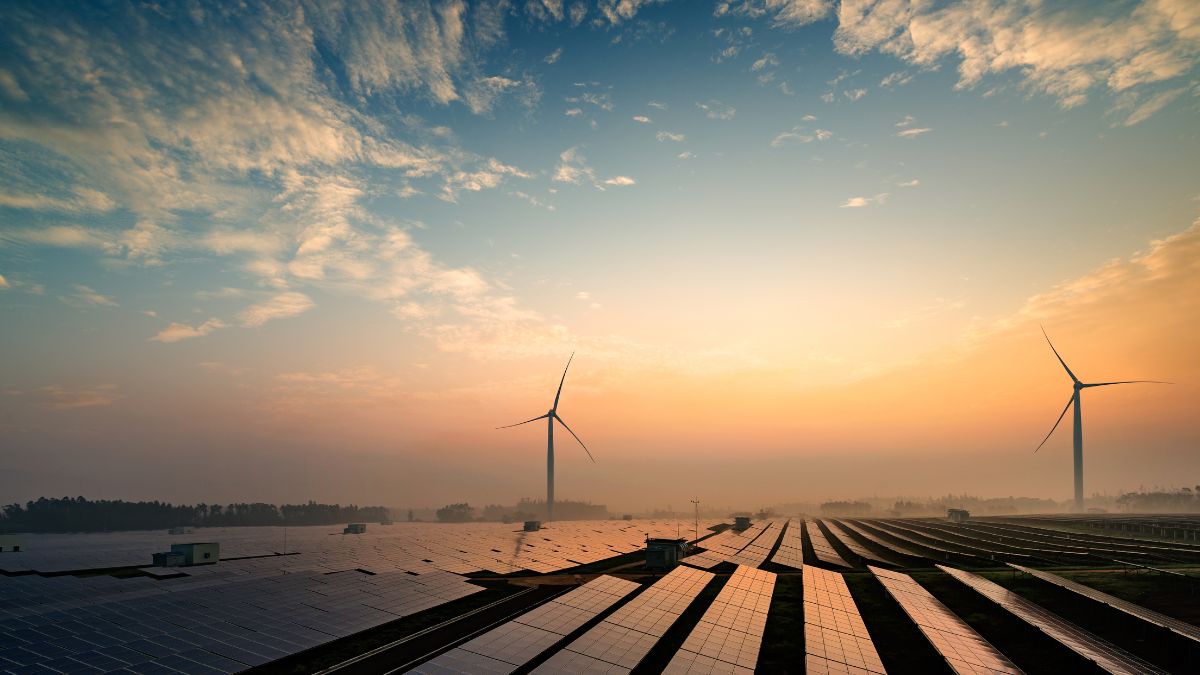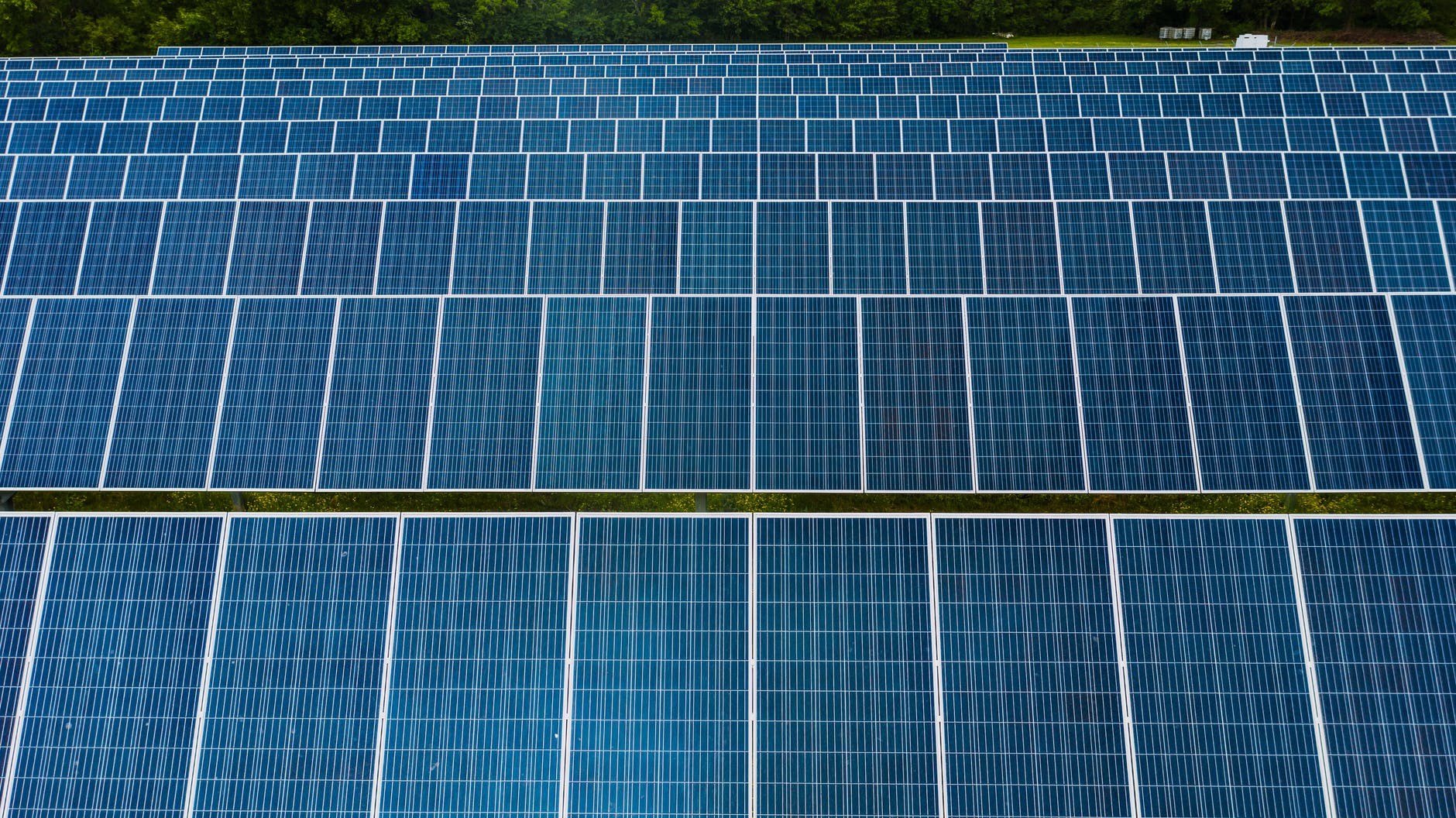
India’s solar photovoltaic (PV) sector continued its rapid expansion in 2026, reinforcing its position as a major driver of the country’s renewable energy transition. According to the Ministry of New and Renewable Energy (MNRE), installed solar capacity reached 171.051 GW as of September 30, 2026, supported by growth in utility-scale, rooftop, hybrid and off-grid installations.
Of the total installed capacity, ground-mounted solar projects accounted for 125.65 GW, while grid-connected rooftop installations reached 33.41 GW. Solar components in hybrid projects contributed 5.36 GW, and off-grid solar installations accounted for 6.63 GW. India added 35.24 GW of solar capacity between January and September 2026, including 3.011 GW during September alone, highlighting the continued pace of project development across the country.
The wider renewable energy sector also recorded substantial growth. India’s total renewable energy capacity, including large hydro, stood at approximately 299.246 GW at the end of September, while total non-fossil fuel capacity, including nuclear power, reached around 308 GW. Solar remains the largest contributor to the country’s renewable energy capacity and is expected to play a central role in meeting rising electricity demand and clean energy targets.
Domestic manufacturing is becoming increasingly important as India expands its solar deployment. Capacity listed under the Approved List of Models and Manufacturers (ALMM) for solar PV modules has crossed 230 GW, reflecting the growth of the domestic manufacturing ecosystem. The government has extended the ALMM framework to solar PV cells, while requirements covering ingots and wafers are scheduled to take effect from June 2028.
Rooftop solar adoption is also contributing to the market’s expansion. Under the PM Surya Ghar: Muft Bijli Yojana, more than 51 lakh households had benefited from rooftop installations by August 2026, with around 14.8 GW commissioned under the programme. The scheme is helping households adopt solar power while supporting decentralised electricity generation.
Recent market developments indicate that India’s solar industry is moving beyond module production towards a more integrated domestic supply chain. Manufacturing capacity additions during the first half of 2026 included 50.6 GW of solar modules and 9.7 GW of solar cells. However, the gap between module and cell production highlights the need for further investment in upstream manufacturing.
Energy storage is also becoming central to future solar deployment as the country seeks to improve electricity availability beyond daylight hours. Hybrid projects, battery energy storage systems (BESS), floating solar and round-the-clock renewable power are gaining importance. The government is also exploring incentives for agrivoltaics, which combines solar power generation with agricultural activities on the same land.
Despite strong growth, the sector faces challenges related to transmission infrastructure, land availability, project financing, domestic supply chains and the management of variable renewable generation. Strengthening grid flexibility and expanding storage capacity will be important to ensure that new solar installations translate into reliable electricity supply.
With installed solar capacity reaching 171.051 GW, India’s next phase of growth will depend on balancing rapid deployment with manufacturing self-reliance, improved grid integration and dependable clean power.
Subscribe to get the latest posts sent to your email.