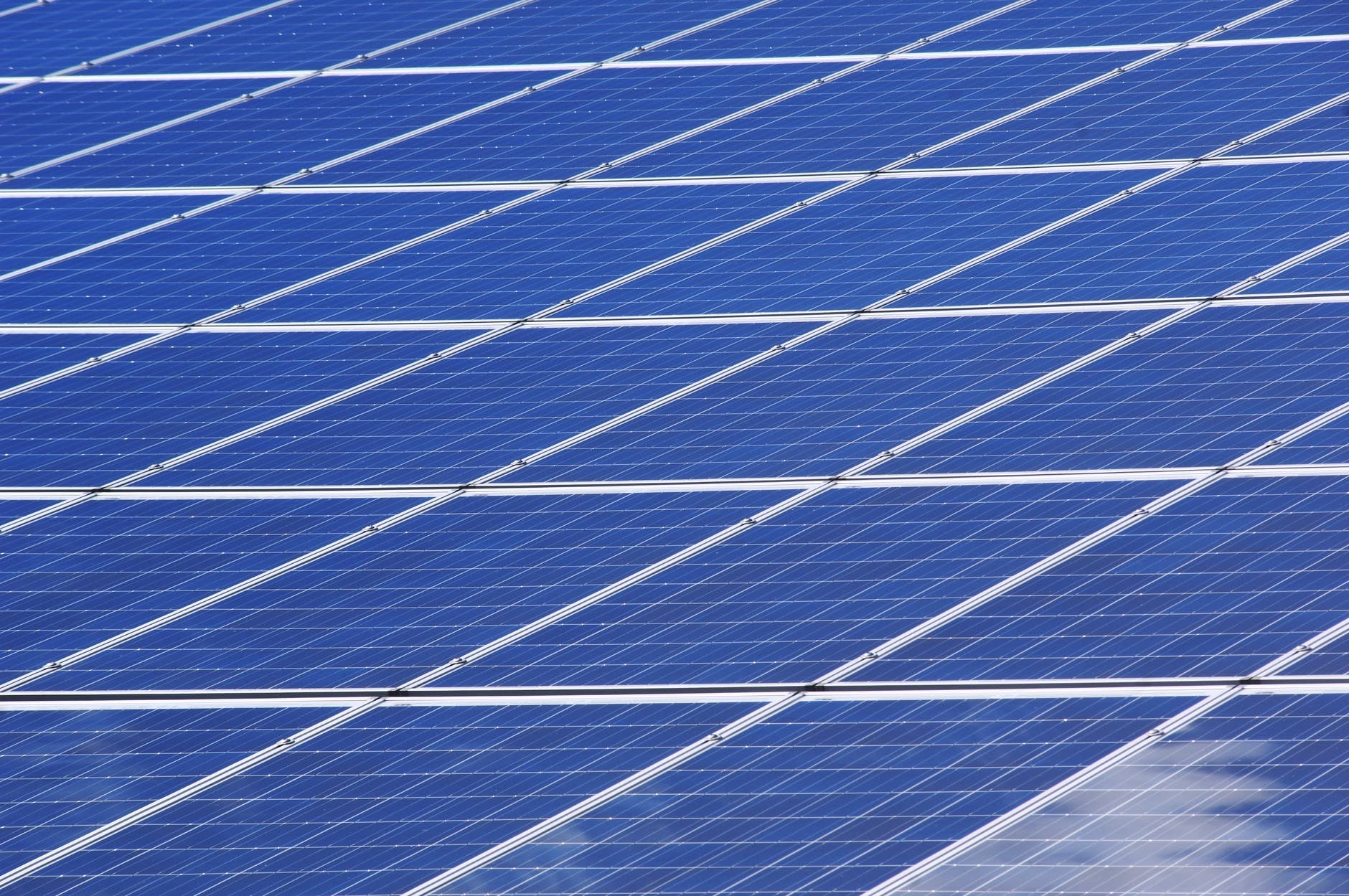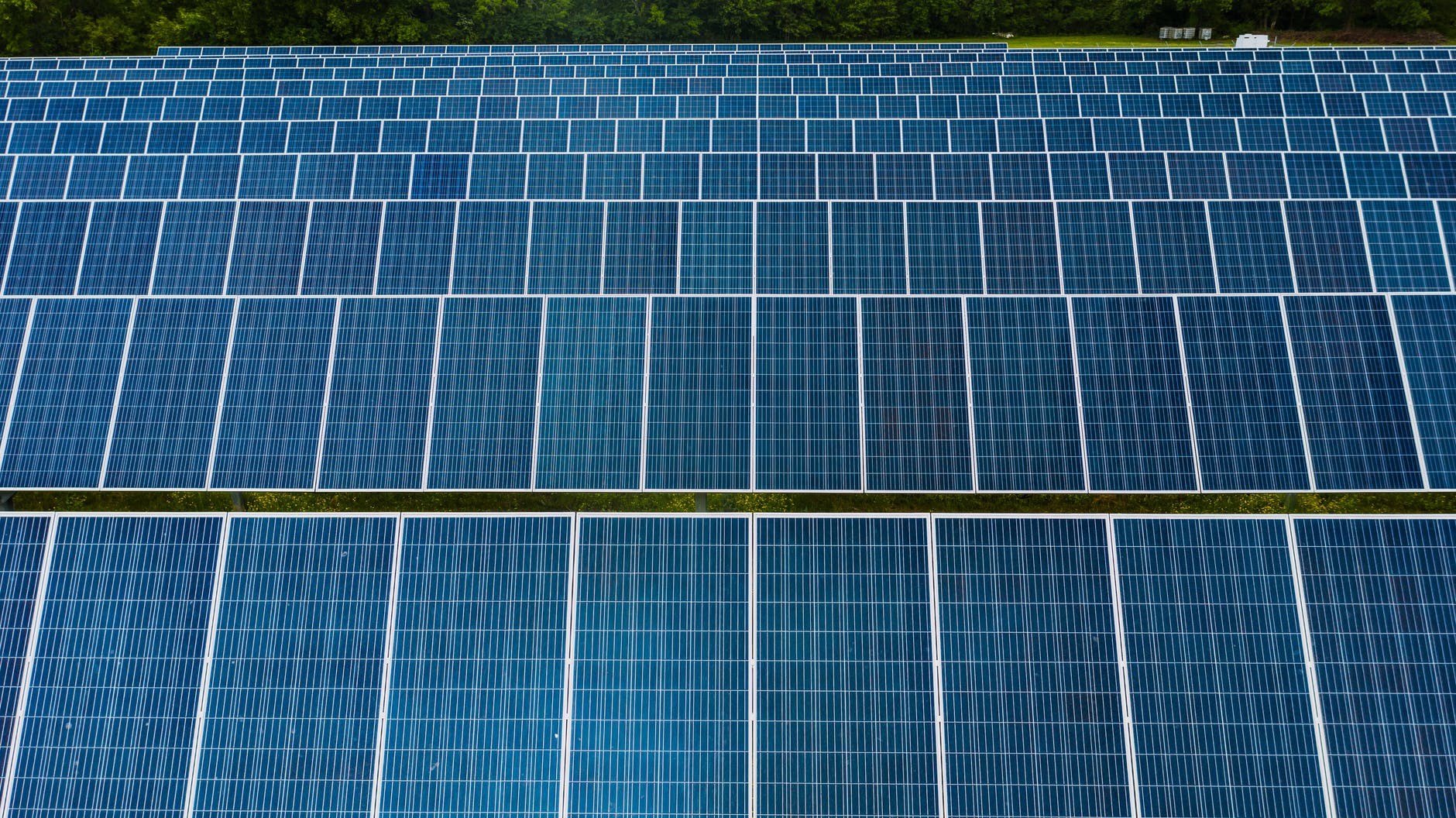
Bangladesh is planning to develop a 70 MW solar power plant on unused land at the Matarbari coal-fired power station in the country’s southeastern region. The project is expected to begin generating electricity by December 2028 and forms part of the government’s efforts to expand renewable energy capacity and reduce dependence on fossil fuels.
State-owned Coal Power Generation Company Bangladesh Ltd. will implement the project on an ash pond area within the existing 1.2 GW coal-fired power complex. The European Investment Bank is expected to provide co-financing, alongside contributions from the company and the Bangladeshi government.
The proposed development will use land already available within the power station’s protective embankment. Existing security arrangements and nearby electricity transmission infrastructure are expected to support project implementation and help reduce construction costs.
Bangladesh has set targets to generate 20% of its electricity from renewable sources by 2030 and increase the share to 30% by 2040. The Matarbari solar project is expected to contribute towards these objectives by adding clean electricity generation capacity and helping reduce carbon emissions associated with conventional power generation.
The country is also advancing other utility-scale solar developments. One major proposal involves a 442 MW solar power plant at Rampal, planned on unused land within another coal-fired power station.
To encourage investment in solar energy, Bangladesh has temporarily reduced import taxes on solar equipment from 17% to 1% for a period of 180 days. The government has also introduced a feed-in tariff of 10.5 taka per kWh, equivalent to approximately $0.085, for surplus electricity supplied by eligible rooftop solar installations under its net-metering framework.
Bangladesh currently has around 1.9 GW of installed renewable energy capacity. The proposed projects and policy measures are intended to accelerate clean energy deployment, improve energy diversification and support the country’s longer-term emissions reduction goals.
Subscribe to get the latest posts sent to your email.