By
56 min ago 3 min read
Ministers from Northern Ireland have launched a consultation that aims to weigh support on the development of a sustainable biomethane sector in the country.
Economy Minister Dr Caoimhe Archibald and Agriculture, Environment and Rural Affairs Minister Andrew Muir launched the Biomethane Strategy and Policy Framework at the NI Renewable Gas Conference 2026.
The country has a strong potential feedstock base for the fuel, which can be used to heat homes and act as a use-case for agricultural waste.
According to a Green Gas Taskforce from September, Northern Ireland has enough sustainable feedstock to generate 8TWh of biomethane and the sector can deliver £5bn ($6.68bn) in gross added value by 2050.
One of the largest potential sources of biomethane supply comes from livestock waste.
“Developed sustainably, biomethane can play an important role in our future energy mix, supporting investment and jobs, creating opportunities in rural areas and strengthening our agri-food sector and wider supply chain,” said Minister Archibald.
In addition to heating homes and businesses, the fuel is also being used to fuel and decarbonise heavy goods vehicles. An additional benefit is the creation of a pure stream of biogenic carbon dioxide (CO2), which is off-taken when biogas is upgraded to biomethane.
However, the country will not realise its biomethane potential without policy support, the report stressed.
The consultation identifies market support, gas network connection costs and certification as key barriers to sector growth, noting that biomethane production is unlikely to scale up without policy support under current market conditions.
This fits with a sentiment shared by Minister Archibald, who believes any future biomethane sector must work for consumers, support economic growth and deliver wider environmental benefits.
“Getting that balance right will be critical to its long-term success and has shaped our approach to developing biomethane policy.”
The strategy also links biomethane production to efforts to improve nutrient management and water quality.
“We have seen the impacts of declining water quality and excess nutrients in our rivers, lakes and loughs, particularly at Lough Neagh,” said Minister Muir.
“Public confidence will depend on the sector delivering positive environmental outcomes while avoiding unintended consequences.”
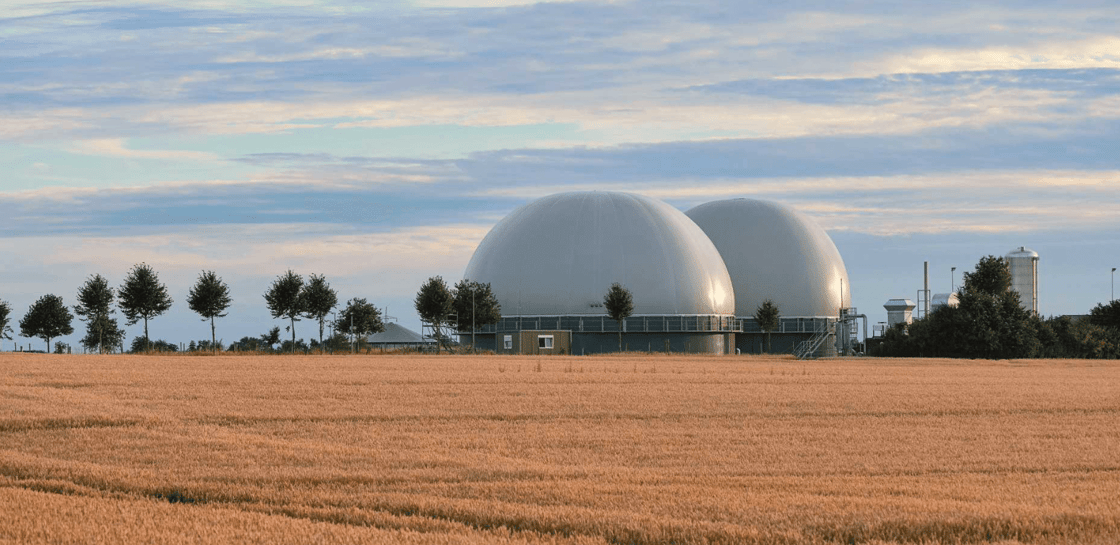
The consultation looks to leverage the country’s agricultural strengths, which has helped establish around 80 anaerobic digestion plants currently operating across Northern Ireland.
Over 30 countries worldwide and implemented dedicated national or regional biogas and biomethane strategies. In Europe, the EU’s REPowerEU Plan sets a collective target for its member states.
The consultation closes on 15 December 2026, after which DfE and DAERA will consider responses to shape the future biomethane strategy and support framework.