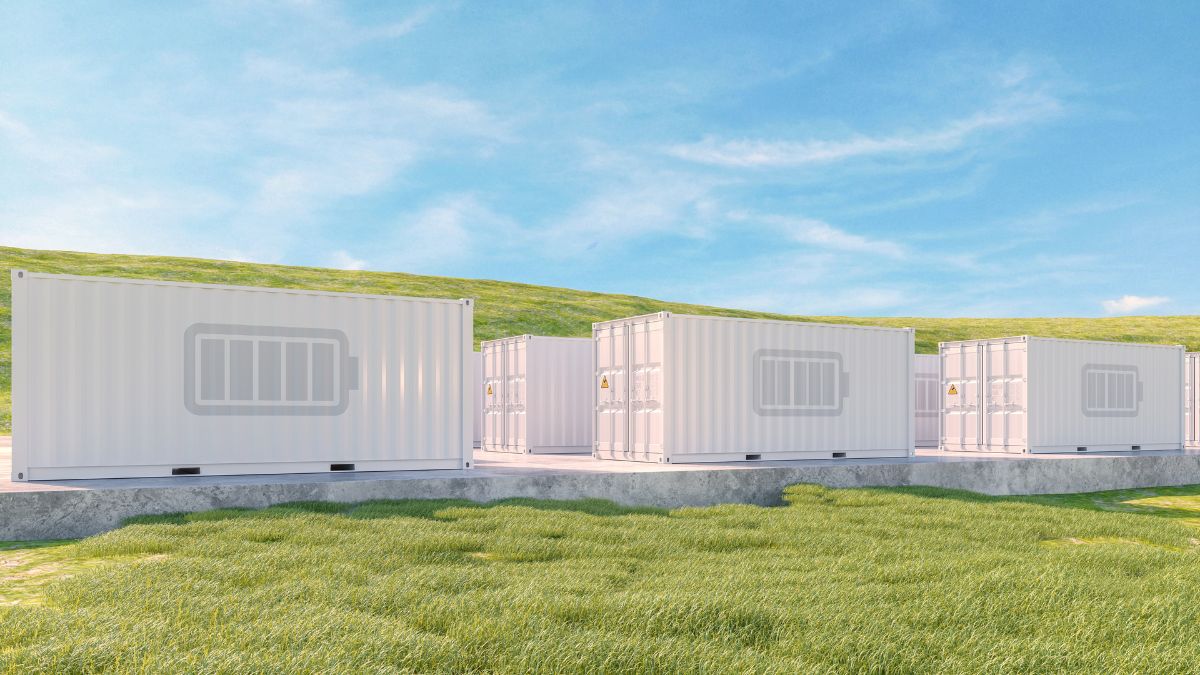
Shandong Electric Power Construction Corporation (SEPCO) has reportedly secured the engineering, procurement, and construction (EPC) contract for Saudi Arabia’s Al Khushaybi Battery Energy Storage System (BESS), also known as the Group 1-KSB project. Located in the Qassim Region, the project will have a planned capacity of 500 MW / 2,000 MWh and will be capable of delivering electricity for four hours at full power. The development is part of Saudi Arabia’s efforts to strengthen its electricity infrastructure and expand the integration of renewable energy into the national power grid.
The project is being developed by a consortium comprising French energy company ENGIE and Saudi Arabia-based Haji Abdullah Alireza & Co. under a build-own-operate (BOO) model. Under this arrangement, the developers will own and operate the facility. The Saudi Power Procurement Company (SPPC) will act as the primary buyer and offtaker, purchasing energy storage services under a long-term agreement spanning 15 years.
The Al Khushaybi project forms part of Saudi Arabia’s initial round of independent utility-scale battery energy storage developments. Large-scale battery storage facilities are expected to support the country’s power system by improving grid flexibility, strengthening operational reliability and helping balance electricity supply and demand. These systems can store electricity when it is available and release it when demand increases, supporting the integration of solar and other renewable energy sources.
For ENGIE, the project represents its largest battery energy storage system development globally to date. The project also highlights the growing role of international energy companies and engineering contractors in Saudi Arabia’s expanding energy infrastructure market.
Beyond its contribution to electricity storage, the development is expected to create procurement opportunities across several industrial and infrastructure sectors. According to market intelligence highlighted by sourcing firm Brushman, the project could generate demand for electrical transmission equipment, advanced cooling systems, specialised fire protection solutions, civil engineering services and project logistics.
These requirements reflect the technical complexity of developing large-scale battery storage facilities, which need reliable electrical connections, thermal management systems and safety infrastructure to ensure efficient and secure operations.
Saudi Arabia’s investment in utility-scale battery storage aligns with its broader efforts to modernise the power sector and increase renewable energy deployment. As renewable generation expands, energy storage is expected to become increasingly important for managing fluctuations in electricity production and maintaining grid stability. The Al Khushaybi project therefore represents a significant development in the country’s emerging battery storage market.
Subscribe to get the latest posts sent to your email.