The Central Electricity Authority (CEA) has released a comprehensive framework titled the Unified Framework for Digitalization of the Distribution Sector to guide electricity distribution companies (DISCOMs) across India in adopting digital technologies and improving their operational efficiency. The framework provides a structured approach to modernizing distribution networks and supporting the country’s changing electricity requirements.
India’s electricity distribution sector is facing growing challenges due to rising power demand, increasing integration of renewable energy, the expansion of rooftop solar installations and the growing adoption of electric vehicles. These developments are creating a need for better monitoring, improved grid management and faster responses to technical problems. The CEA framework highlights the importance of digitalization in helping distribution utilities manage these changes while improving service quality and reliability for consumers.
Many DISCOMs currently operate separate digital systems for different functions, including smart metering, billing, geographical asset mapping and supervisory control and data acquisition (SCADA). Although these systems provide important operational information, limited integration can prevent utilities from using data effectively across their organizations. The framework seeks to address this issue by encouraging a coordinated digital strategy that connects existing systems and enables information sharing between departments.
The framework introduces a maturity-based progression model for digital transformation. It guides utilities from basic network visibility and data quality improvements towards greater system integration, operational control, automation and selective autonomous operations. This approach allows DISCOMs to assess their existing capabilities and develop digitalization plans according to their requirements, financial resources and operational priorities.
Instead of recommending a uniform technology solution for every utility, the CEA emphasizes the importance of identifying local challenges, evaluating business cases and prioritizing investments that deliver measurable benefits. The framework also encourages utilities to consider cybersecurity requirements and long-term system compatibility when planning digital infrastructure.
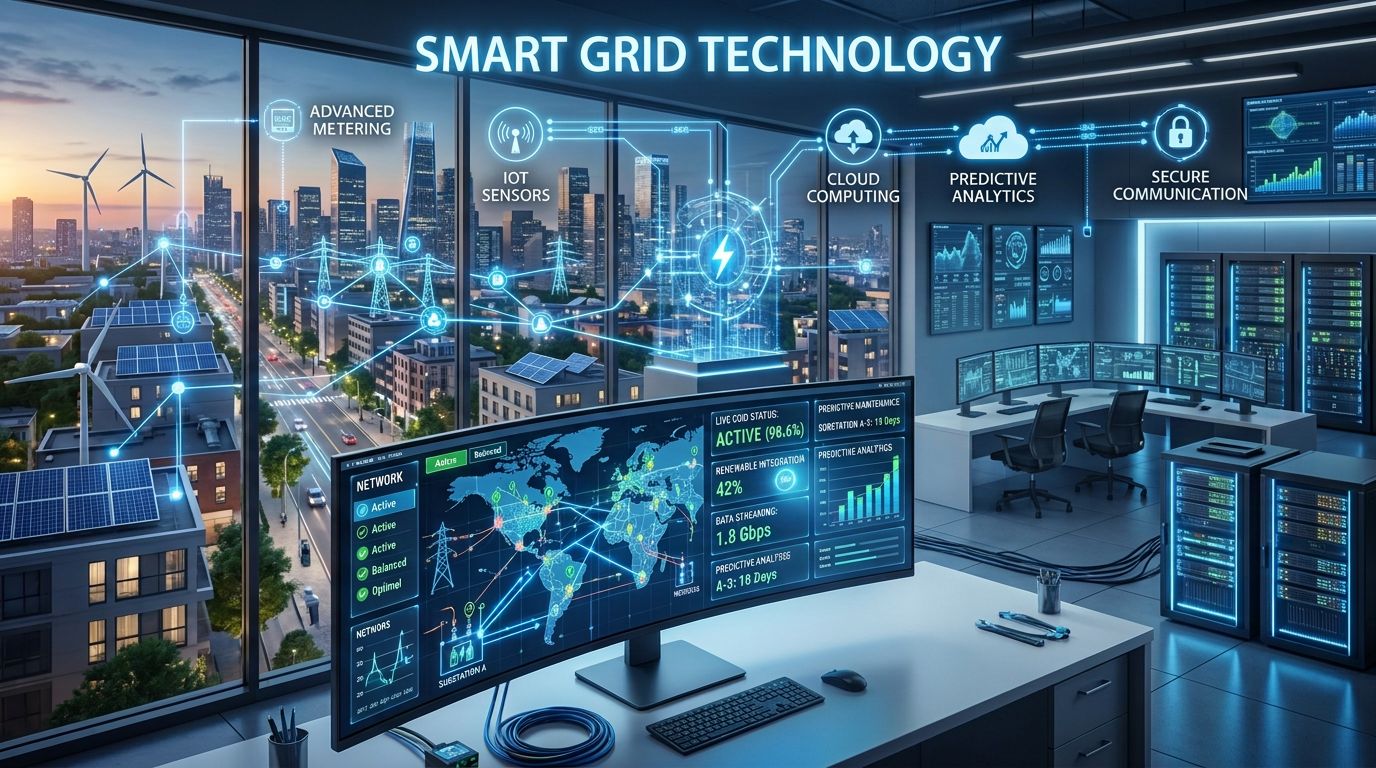
Several smart grid technologies form an important part of the proposed digital transformation. Advanced Metering Infrastructure (AMI) enables two-way communication between smart meters and utility systems, helping improve consumption monitoring, billing accuracy and electricity loss reduction. Geographic Information Systems (GIS) support accurate mapping of distribution assets, allowing utilities to maintain better records of network infrastructure and identify the location of equipment.
Advanced Distribution Management Systems (ADMS) can further improve network operations by supporting fault identification, outage management and faster power restoration. Integrating these technologies can help DISCOMs improve operational visibility, reduce manual intervention and respond more effectively to disruptions.
The framework also identifies emerging technologies such as Artificial Intelligence (AI), Machine Learning (ML), drone-based inspections and Digital Twins as potential tools for improving distribution management. AI and ML can support predictive maintenance, identify unusual consumption patterns and assist in detecting electricity theft. Drone-based inspections can help utilities examine power lines and other infrastructure, while Digital Twins can provide digital representations of physical assets and networks for analysis, simulation and operational planning.
However, the CEA framework recognizes that technology alone will not guarantee successful digital transformation. Effective implementation will require strong data governance, reliable information management, employee training, institutional capacity building and change management. Utilities will also need to comply with applicable national cybersecurity guidelines to protect critical infrastructure and consumer information.
The framework outlines a phased implementation roadmap to help DISCOMs progressively strengthen their digital capabilities. By adopting an integrated and needs-based approach, electricity distribution companies can improve efficiency, enhance consumer services and strengthen grid reliability while preparing for India’s expanding renewable energy capacity and evolving electricity demand.
Subscribe to get the latest posts sent to your email.