By
42 min ago 2 min read
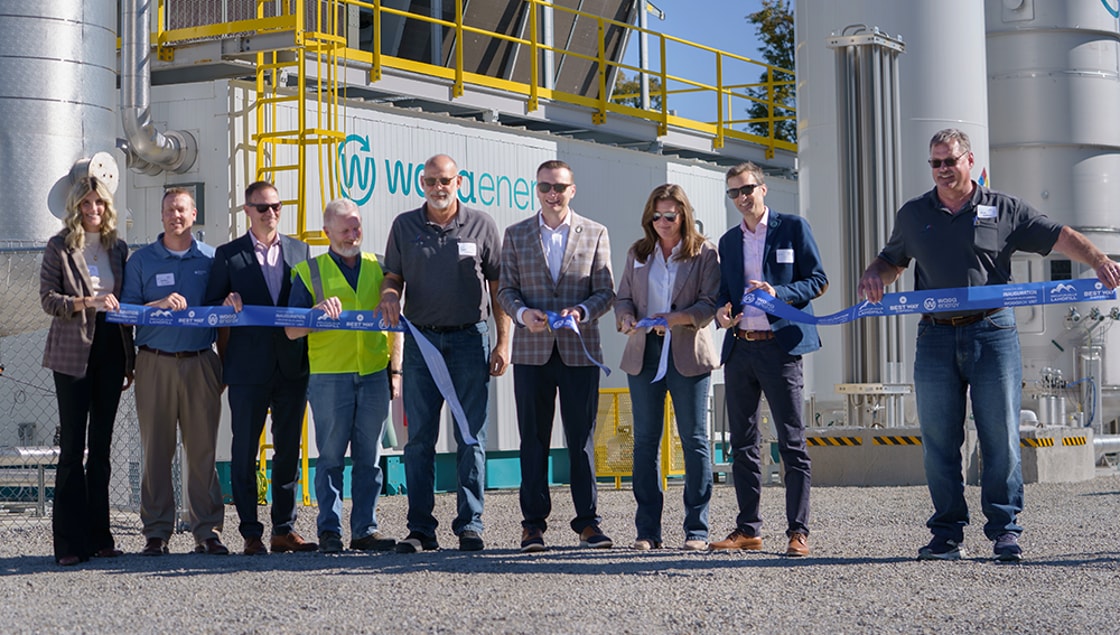
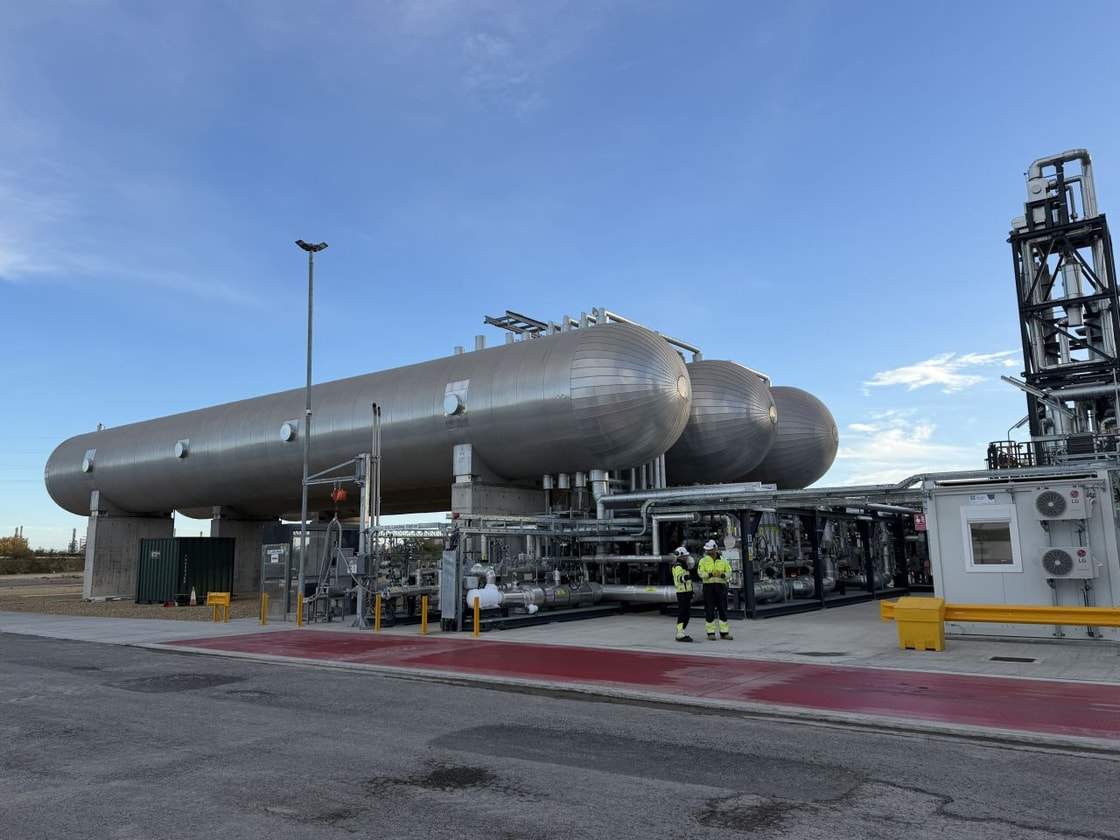
Linde subsidiary BOC has opened its new carbon dioxide (CO2) capture and liquefaction plant in the Northeast of England, as the UK looks to diversify sources.
The facility in Teesside captures CO2 from the firm’s in the region for processing and purification into food- and beverage-grade CO2, adding a new source to a market repeatedly disrupted by industrial shutdowns and supply shortages.
While BOC has not revealed the plant’s capacity, it said it would help reduce reliance on CO2 imports and mitigate the impact of industry outages, seasonal shortages, and market disruptions.
The opening comes shortly after the UK government closed a call for evidence on CO2 supply resilience, after recent supply disruptions exposed the country’s limitations in resilience.
The UK continues to rely heavily on industrial by-products and European imports for its CO2 supplies following major domestic plant closures.
In March, ($134m) to biorefiner Ensus to restart operations at its Teesside bioethanol plant to shore up its 250,000 tonnes of annual biogenic CO2 supply.
However, the government faces renewed calls to develop a strategy to reduce its reliance on reactive measures to ensure supply.
Biogas producers and lobby groups have been increasingly calling for the UK to back biomethane plants as an for CO2.
Some estimates suggest that as biomethane plants are retrofitted with carbon capture and new facilities are built, the industry could scale to produce 120TWh of biomethane per year, capturing up to 20 million tonnes of bio-CO2.
Dr Nick Primmer, Head of Policy and ESG at Future Biogas, previously said the government should introduce obligations for CO2 suppliers to source an increasing proportion of UK-derived CO2 from sustainable sources, while introducing a UK-wide certification and traceability standard for bio-CO2.
The government has not announced a specific date for publishing the results of its CO2 call for evidence, which closed in August.