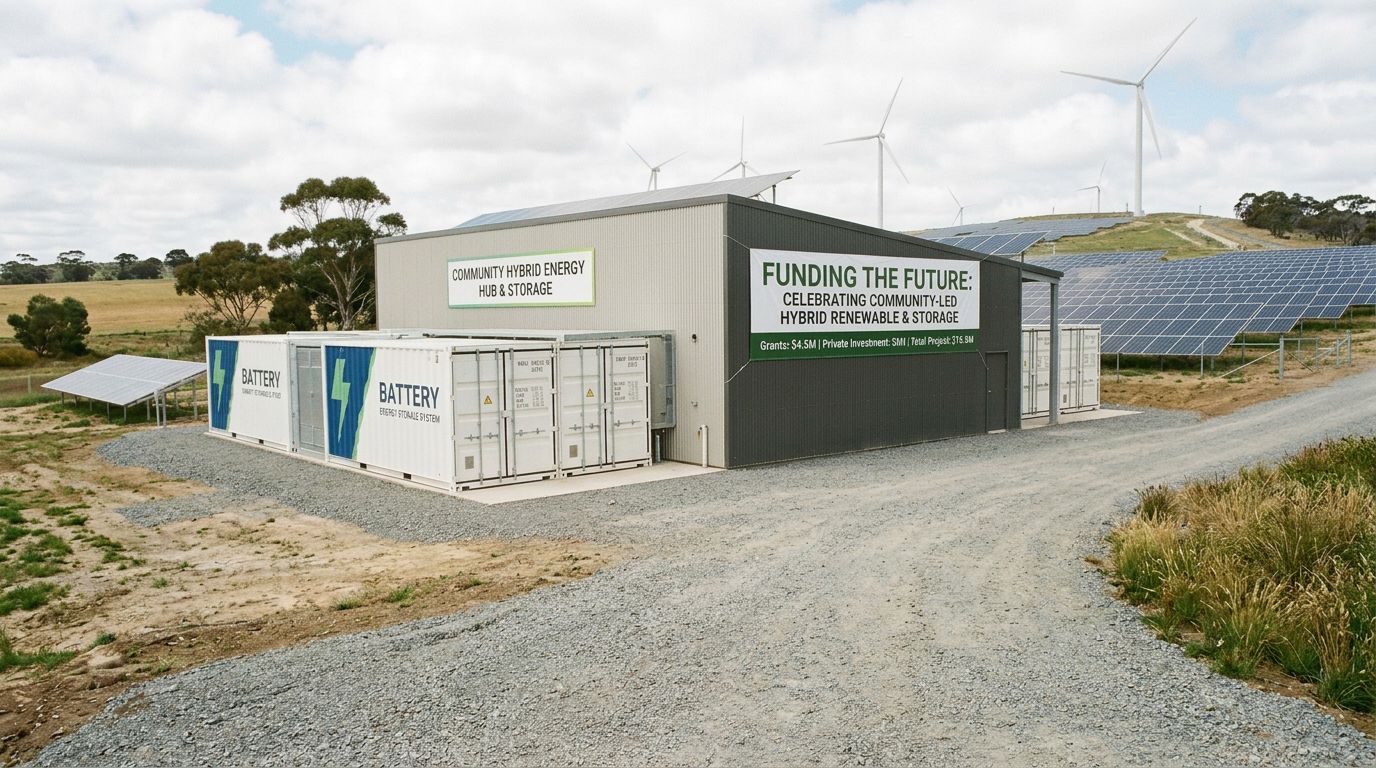
Tata Capital Cleantech Finance has committed ₹7.5 billion (₹750 crore) to support a hybrid renewable energy project with battery storage in Maharashtra. The project has already received an initial drawdown of approximately ₹3.75 billion (₹375 crore), providing financial support for the development of an integrated clean energy facility.
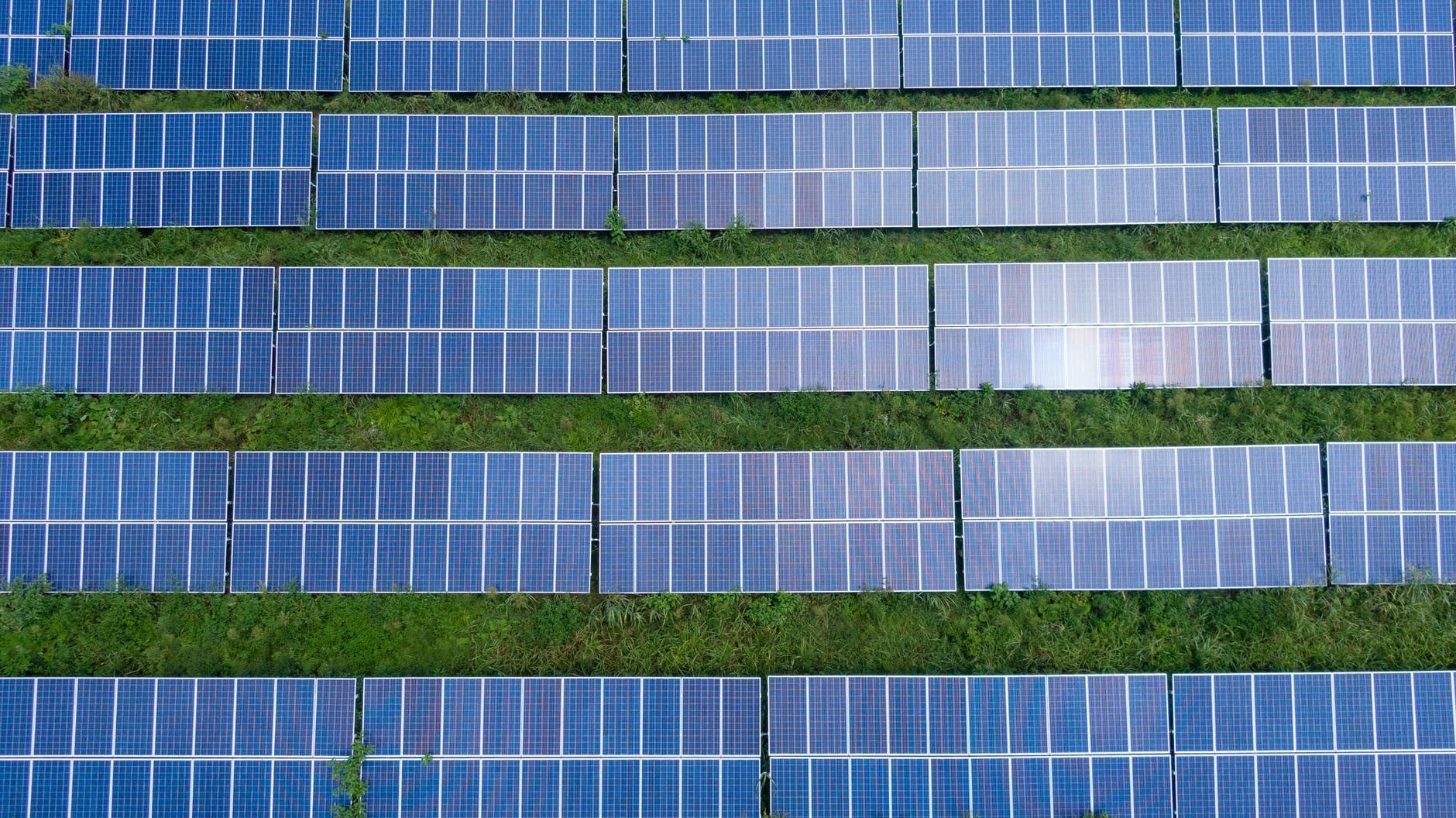
The project, being developed by Fourth Partner Energy, combines 300 MWp of solar power generation with 50 MW of wind capacity and a 750 MWh Battery Energy Storage System (BESS). The facility is expected to generate more than 630 million units of renewable electricity annually. The power will primarily serve commercial and industrial consumers seeking reliable electricity supplies from clean energy sources.
Fourth Partner Energy develops renewable energy solutions for corporate customers across India. Its portfolio of operational and development projects exceeds 5 GW, covering various clean power requirements for businesses. The addition of battery storage to the Maharashtra project will help manage fluctuations in solar and wind generation, allowing electricity to be stored and supplied when required.
The project comes amid growing demand for round-the-clock renewable electricity among large commercial and industrial consumers. Data centres, manufacturing facilities and other energy-intensive businesses require dependable power supplies while working towards their emissions reduction and sustainability targets. The combination of solar, wind and battery storage is intended to improve supply flexibility and reduce dependence on conventional grid electricity during periods of high demand.
According to the project details, more than 50% of its capacity has already been committed to major corporate customers through commercial arrangements. These commitments provide an indication of demand for integrated renewable energy solutions among large electricity buyers.
The financing also highlights the role of specialised lenders in supporting India’s clean energy infrastructure. As businesses increasingly seek predictable electricity costs and lower-carbon power, hybrid projects incorporating energy storage are gaining importance in the corporate renewable energy market.
The Maharashtra development demonstrates how combining multiple renewable generation technologies with battery storage can support more flexible electricity supply arrangements. Such projects are expected to remain relevant as India’s commercial and industrial sectors expand their adoption of renewable power and pursue long-term decarbonization objectives.
Subscribe to get the latest posts sent to your email.