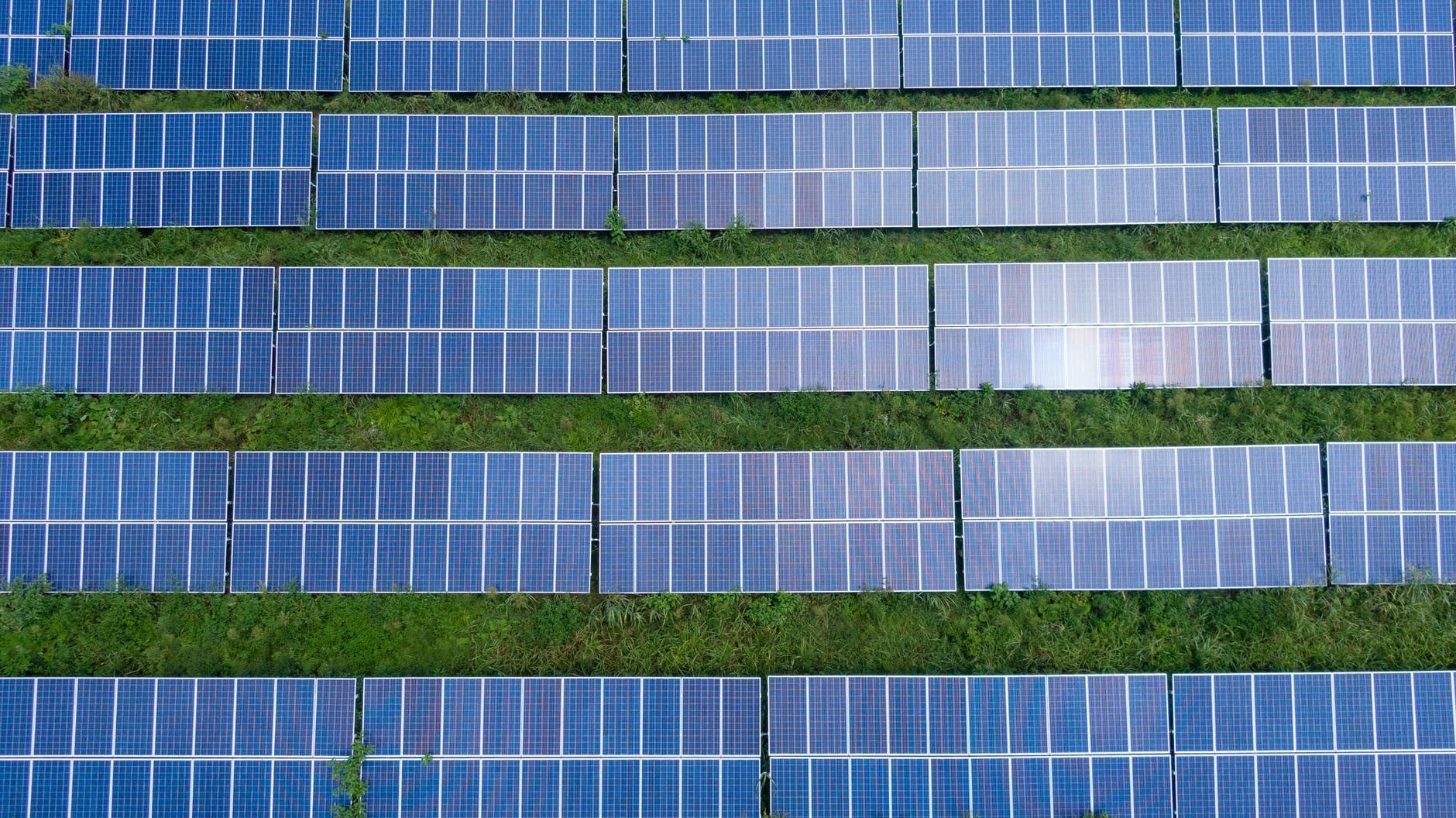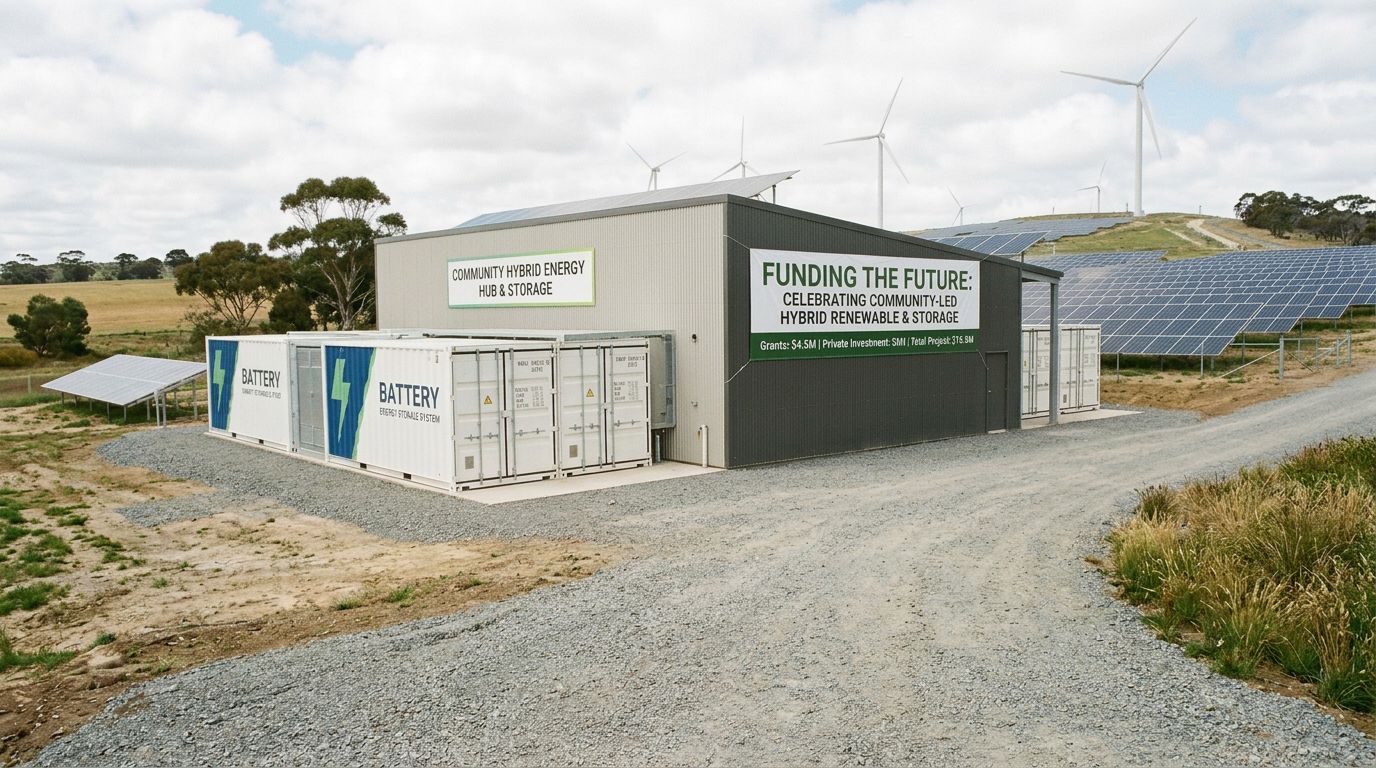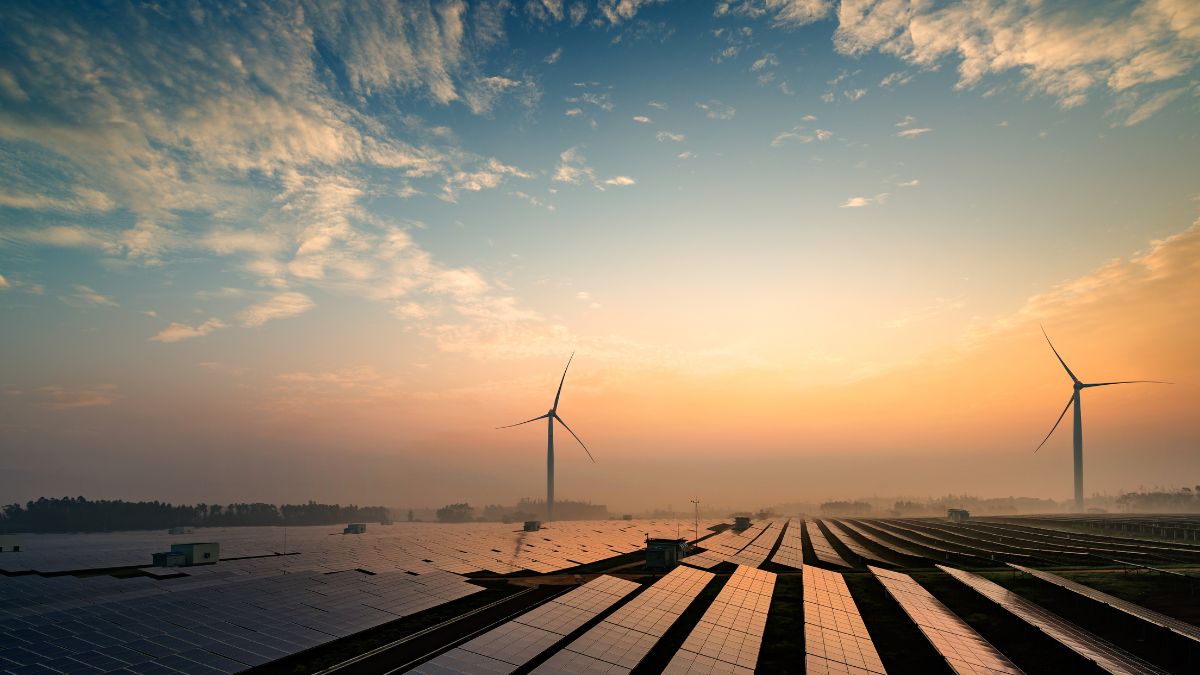
Qatar is accelerating the development of utility-scale solar photovoltaic (PV) projects as part of its strategy to diversify electricity generation and increase the contribution of renewable energy to its power sector. According to projections from GlobalData, the expansion of solar power is expected to significantly change the country’s electricity generation mix over the next decade, while natural gas will continue to play an important role in meeting power demand.
The share of renewable energy in Qatar’s total power capacity is projected to increase from 12.0% to 25.9% by 2035. This growth reflects the country’s efforts to expand its clean energy infrastructure and reduce its dependence on conventional fossil fuel-based power generation. The development of large-scale solar projects is expected to be a major contributor to this transition.
Qatar has traditionally relied on natural gas to support its electricity requirements. However, the country is increasingly looking towards solar energy to diversify its power sources and strengthen the sustainability of its energy system. With favourable solar resources and the development of utility-scale projects, solar PV is expected to become an increasingly important part of the national electricity capacity.
The planned expansion of renewable energy also reflects a wider trend across the Middle East, where governments are investing in solar power to support energy diversification and reduce the carbon intensity of electricity generation. Several countries in the region are using their abundant sunlight to develop large solar installations and increase the share of renewables in their energy portfolios.
Despite the expected growth in solar capacity, natural gas will remain a key component of Qatar’s electricity sector. Gas-fired power plants are expected to provide reliable electricity supply and support the grid when solar generation fluctuates because of changing weather conditions and the absence of sunlight during nighttime hours.
The combination of renewable energy and natural gas is expected to help Qatar balance its clean energy ambitions with its electricity reliability requirements. Natural gas infrastructure will continue to provide operational flexibility, while solar power will contribute to diversifying the generation mix.
The projected increase in renewable energy capacity to 25.9% by 2035 highlights the potential scale of Qatar’s energy transition. As utility-scale solar projects advance, the country is expected to gradually strengthen the role of renewable energy while retaining natural gas as a foundation of its power system. This approach is intended to support long-term energy security, improve generation diversity and advance the country’s broader sustainability objectives.
Subscribe to get the latest posts sent to your email.