Zambia is optimistic about achieving its target of increasing installed electricity generation capacity to 10,000 megawatts (MW) by 2031, supported by ongoing energy sector reforms and investments in power infrastructure. The country’s installed generation capacity has increased from 3,777 MW in 2024 to 4,722 MW, according to Ministry of Energy Permanent Secretary–Electricity Engineer Arnold Simwaba.
Speaking at a stakeholder consultative meeting on electricity sector reforms organised by the Centre for Trade Policy and Development (CTPD) in Lusaka, Simwaba said the reforms were helping strengthen private sector participation, improve the investment environment and accelerate the expansion of electricity generation, transmission and distribution infrastructure.
He said the government had introduced several measures to create a more competitive and investment-friendly electricity market. These include the Electricity Open Access Regulations, the Energy Single Licensing System and the Electricity Net Metering Programme. The measures are intended to encourage investment, improve sector efficiency and support the development of new power generation projects.
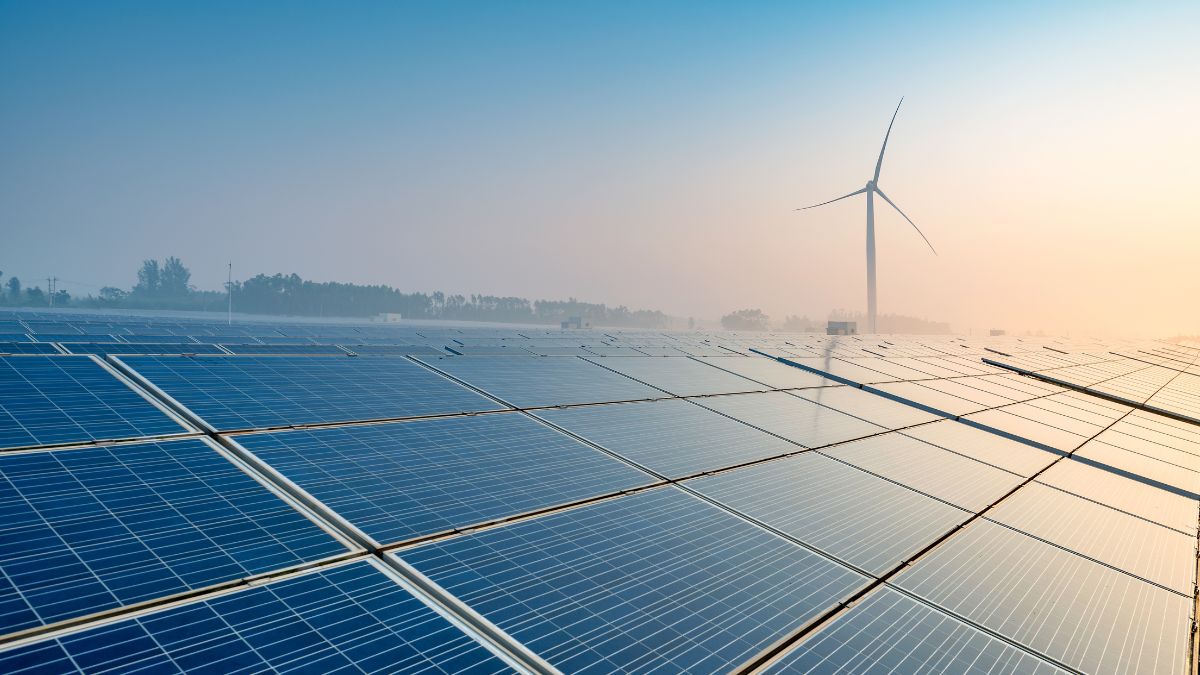
Simwaba highlighted the contribution of the net metering programme, which is adding more than 33 MW to Zambia’s national electricity system. He also described the achievement of the 1,000 MW solar target as an important milestone in diversifying the country’s energy mix and expanding its electricity supply.
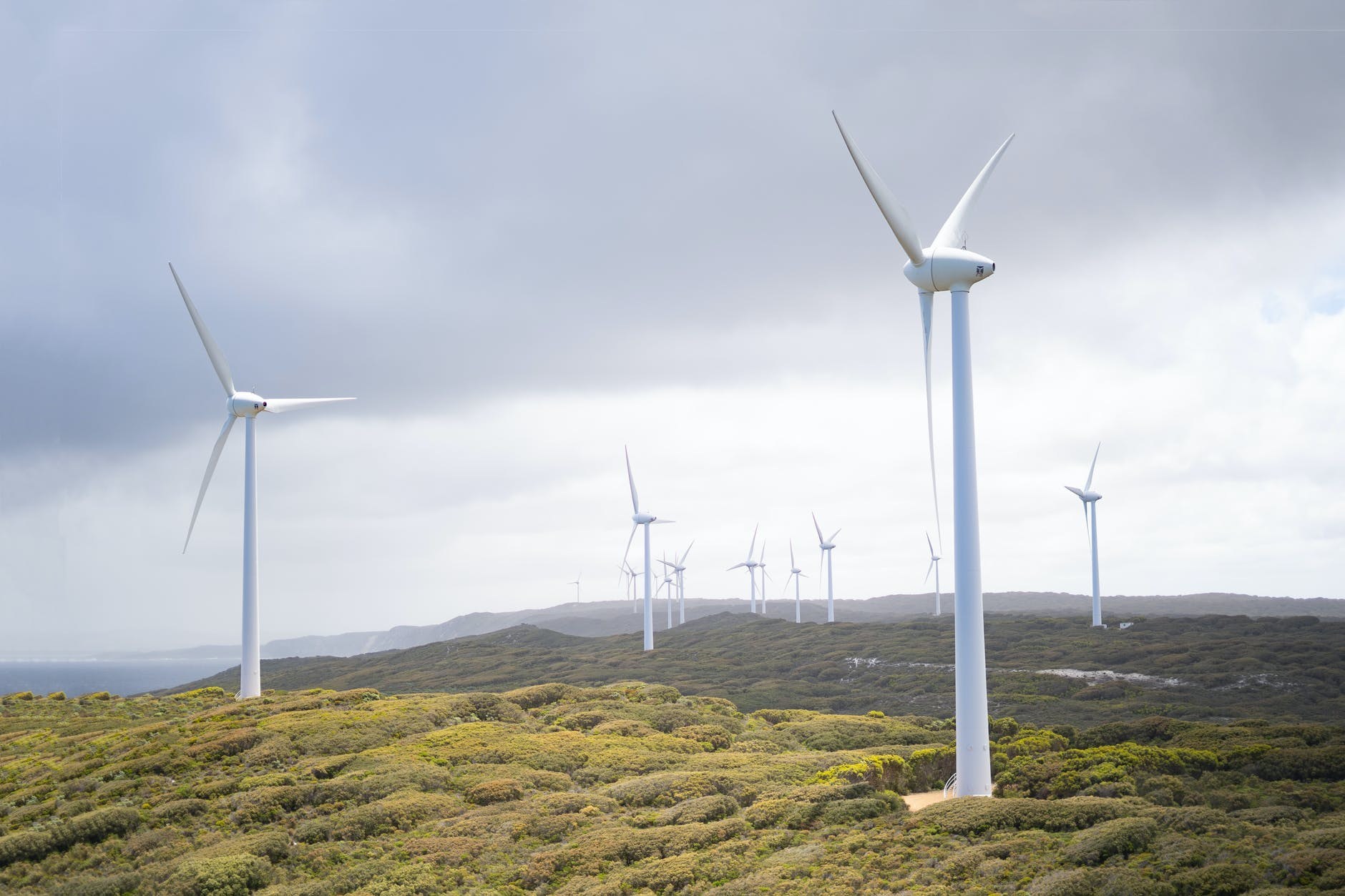
The government is developing a pipeline of energy projects covering solar, hydropower, coal, wind, geothermal and biomass to support the planned increase in generation capacity. The expansion is expected to improve electricity availability for key economic sectors, including mining, agriculture, tourism and manufacturing.
Simwaba said reliable electricity supply was essential for implementing the government’s Grow Zambia Agenda. Increased power availability would support industrialisation, create employment opportunities and strengthen the competitiveness of businesses. The government is therefore focusing on reforms and infrastructure development to ensure that electricity supply can meet the country’s growing economic requirements.
Meanwhile, CTPD Executive Director Isaac Mwaipopo said the organisation was interested in understanding the trends influencing Zambia’s energy sector because of its importance to economic development.
Mwaipopo said reviewing legal, regulatory and policy reforms was necessary to assess their effects on investment, energy access and sustainability. He added that stakeholder discussions could help identify gaps and areas requiring further attention to support national development.
The consultative meeting was expected to produce practical, evidence-based recommendations on reforms implemented over the past five years. These recommendations would focus on strengthening governance, improving sector performance and supporting the financial sustainability of the electricity industry.
Simwaba urged participants to prioritise actionable proposals that could help the government deliver reliable, affordable and accessible electricity. The government expects continued reforms, private investment and a diversified project pipeline to play important roles in achieving the 10,000 MW generation capacity target by 2031.
Subscribe to get the latest posts sent to your email.