
The Central Electricity Regulatory Commission (CERC) has proposed allowing Pumped Storage Plants (PSPs) to participate in the High Price Day Ahead Market (HP-DAM) segment on power exchanges, aiming to improve the commercial viability of hydro storage projects and strengthen flexibility in India’s power grid. The preliminary order was issued on October 28, 2026, under suo-motu proceedings initiated by the regulator.
The proposal follows recommendations from the Ministry of Power and the National Load Despatch Centre (NLDC) to expand eligibility for HP-DAM to include pumped storage projects. The market segment was introduced to provide trading opportunities for high-cost power generators, including plants using imported gas and imported coal, as well as battery energy storage systems, when conventional day-ahead market price caps limit their ability to recover costs.
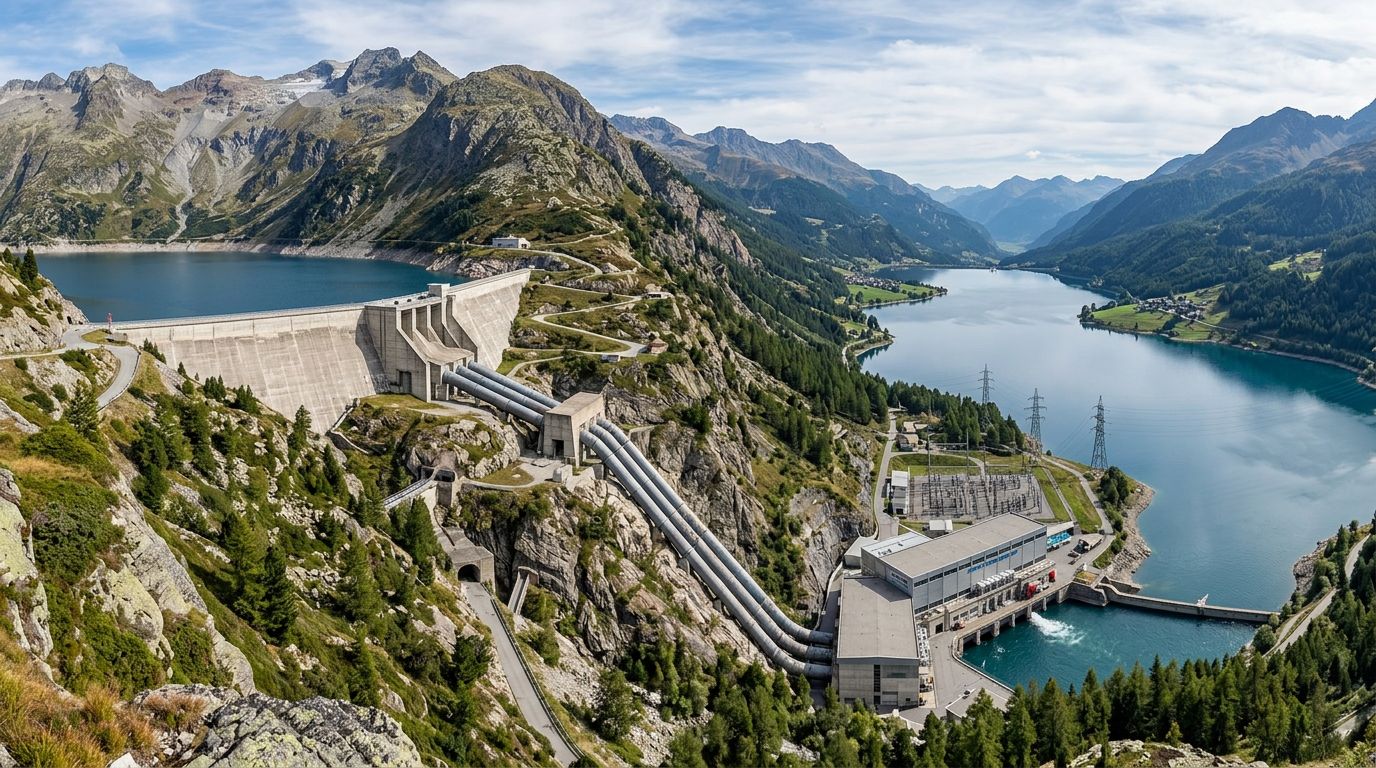
Pumped storage plants operate by pumping water to an upper reservoir during periods of low electricity demand and releasing it through turbines to generate power when demand rises. This technology can help balance fluctuations in renewable energy generation and provide electricity during peak consumption hours.
India currently has 7,425.6 MW of operational pumped storage capacity, while another 15,870 MW is under construction. The country’s overall pumped storage potential exceeds 2.9 lakh MW, highlighting the technology’s potential role in supporting the expansion of renewable energy and improving grid reliability.
However, most existing pumped storage projects are tied to long-term power purchase agreements, limiting the capacity available for merchant trading in short-term electricity markets. The proposed inclusion in HP-DAM could provide these projects with an additional avenue to sell electricity during periods of high demand and supply shortages.
According to the market analysis presented by NLDC, electricity prices in the regular Day Ahead Market (DAM) vary considerably between solar generation hours and evening peak periods. Average prices during low-cost solar hours stand at around ₹2.2 per unit, compared with approximately ₹6.57 per unit during evening peak hours.
Despite this difference, the price gap may not be sufficient to cover the complete operating costs of pumped storage projects. Depending on the project, landed generation costs, including electricity used for pumping water and fixed charges, can reach ₹8.92 per unit. Access to HP-DAM could allow eligible projects to sell electricity at higher market-clearing prices, potentially improving revenue recovery and strengthening investment prospects.
CERC also noted that trading activity in HP-DAM remains limited. The segment cleared transactions on only 47 days between April 2025 and July 2026. Nevertheless, allowing pumped storage participation could create additional revenue opportunities during periods of extreme demand while supporting electricity system balancing.
Following the preliminary order, CERC has issued a public notice inviting written comments from stakeholders and market participants within 15 days. The commission will conduct formal hearings after receiving feedback before finalizing the proposed regulatory changes.
Subscribe to get the latest posts sent to your email.