By
52 min ago 3 min read
A trio of system operators and Gasunie have repurposed an existing natural gas pipeline for biomethane collection and transport in the Netherlands.
The 60-kilometre pipeline will be used to collect biomethane from regional networks and transport it to the national transmission grid, providing additional capacity for producers to feed renewable gas into the country’s wider network.
Gasunie Transport Services (GTS), a wholly owned subsidiary of Gasunie, worked alongside regional distribution system operators RENDO, Enexis and Coteq to complete the project.
The pipeline runs through the Dutch municipalities of Emmen, Coevorden, Hoogeveen, Hardenberg and Ommen. By repurposing existing infrastructure, the partners said the project has kept disruption to surrounding communities to a minimum.
Read more
The gathering pipeline connects the three regional distribution networks to GTS’ national gas transmission network.
Gasunie Executive Board member Hans Coenen said, “Our gathering pipeline creates more growth capacity for biomethane and increases the supply of home-grown renewable energy to households and industry.”
The infrastructure is intended to address a mismatch between biomethane production and gas demand. While biomethane is produced throughout the year, gas consumption is highly seasonal, with regional networks regularly experiencing local surpluses during the summer months.
The new pipeline will allow these excess volumes to be transported to areas where demand is higher, rather than being constrained by the capacity of local distribution networks.
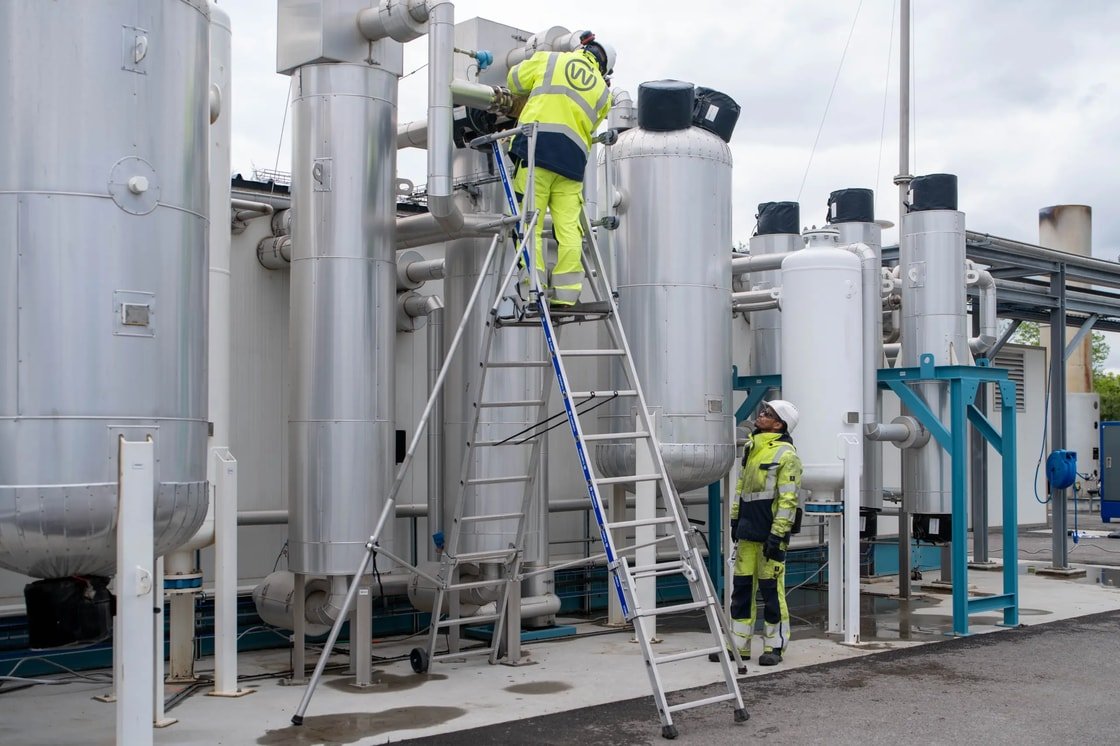
Biomethane collected through the pipeline will be transported to a GTS facility in Ommen, where two new biomethane boosters increase its pressure before injection into the national transmission network.
The connection is expected to provide greater scope for producers to increase output by linking regional production sites with a wider pool of demand.
According to Gasunie, Dutch biomethane production grew by 14% last year, while the number of producers also continues to increase.
The company expects the country’s forthcoming blending obligation to provide further impetus for the sector by creating more predictable demand for renewable gas.
The Dutch lower house passed the Green Gas Blending Obligation Act submitted to Parliament in May. It requires suppliers to reduce CO2 emissions by delivering an increasing share of biomethane and biogas into the national grid from 2027.
“The blending obligation will create steady demand for biomethane, offering producers greater certainty that their biomethane will be sold,” said Coenen.
“This will, in turn, incentivise them to invest in new plants and further ramp up their biomethane production.”
Europe’s installed biomethane production capacity reached 8.2 bcm per year by the end of the second quarter of 2026, according to the European Biogas Association.