Europe’s LNG Tango: A Love-Hate Relationship with Reality

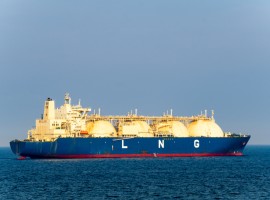
The European Union, ever the conflicted protagonist in its own energy saga, is gearing up to throw its weight around in the global LNG market—again. A leaked draft from the European Commission suggests Brussels will “immediately engage” with LNG suppliers to stabilize energy prices, all while still pretending it’s on track to kiss fossil fuels goodbye by 2050. The cognitive dissonance is almost admirable.

At issue is Europe’s chronic dependence on imported gas. Having sworn off Russian pipeline supplies (at least officially), the bloc now finds itself tethered to liquefied natural gas imports—primarily from the U.S., which it may soon be paying even more for if Donald Trump follows through on tariff threats. Meanwhile, Russia remains Europe’s second-largest LNG supplier, because, well, energy security is a funny thing when reality checks your moral grandstanding.

Now, Brussels wants to emulate Japan’s strategy of investing in overseas LNG infrastructure to lock in long-term contracts, Reuters reported on Tuesday.

Sensible, perhaps.

But in true EU fashion, there’s a regulatory catch: European gas contracts must vanish by 2049 to meet the net-zero commitment. This means suppliers will be asked to commit to deals that evaporate just when they start getting lucrative. A tough sell.

Meanwhile, natural gas prices have jumped to nearly $4/MMBtu, and power prices across Europe remain tethered to gas market volatility. The EU’s latest plan also includes joint LNG purchasing, an attempt at leveraging collective buying power to force lower prices. But as past attempts have shown, pooling desperation doesn’t necessarily translate to bargaining strength.

The takeaway? Europe still needs LNG—more than it cares to admit. And the longer it dithers between energy realism and green ambition, the more it will pay.

By Julianne Geiger for Oilprice.com

More Top Reads From Oilprice.com

 

  • Related Posts

    Kuwait Offers First Crude Cargoes to Asia since Iran War Started

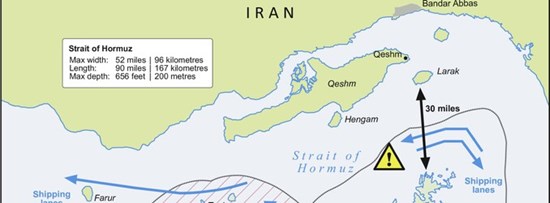
    Kuwait, one of OPEC’s top producers and one of the exporters most affected by the near-closure of the Strait of Hormuz, is offering its crude to Asian buyers for the…

    India’s Fuel Demand Falls 6.5%, LPG Consumption Drops 20%

    India’s fuel consumption fell by 6.5% in May from a year earlier while sales of liquefied petroleum gas (LPG), a key cooking and industry input fuel, tumbled by 20% as…

    Have You Seen?

    US Natgas Output and Demand to Hit Record Highs in 2026, EIA Says

    • June 10, 2026
    US Natgas Output and Demand to Hit Record Highs in 2026, EIA Says

    Oil Inventories Headed Toward Multi-Decade Lows, US EIA Warns

    • June 10, 2026
    Oil Inventories Headed Toward Multi-Decade Lows, US EIA Warns

    US Power Use to Beat Record Highs in 2026 and 2027 as AI Use Surges, EIA Says

    • June 10, 2026
    US Power Use to Beat Record Highs in 2026 and 2027 as AI Use Surges, EIA Says

    Devon Energy provides Full-Year Forecast After Merger With Coterra Energy

    • June 10, 2026
    Devon Energy provides Full-Year Forecast After Merger With Coterra Energy

    India Eyes Russian Steelmaking Coal Assets

    • June 9, 2026
    India Eyes Russian Steelmaking Coal Assets

    India’s Fuel Demand Falls 6.5%, LPG Consumption Drops 20%

    • June 9, 2026
    India’s Fuel Demand Falls 6.5%, LPG Consumption Drops 20%

    Kuwait Offers First Crude Cargoes to Asia since Iran War Started

    • June 9, 2026
    Kuwait Offers First Crude Cargoes to Asia since Iran War Started

    New York State’s Electricity Reserves are Shrinking, Grid Operator Says

    • June 9, 2026
    New York State’s Electricity Reserves are Shrinking, Grid Operator Says

    US Energy Secretary Says Ship Traffic Through Strait of Hormuz Rising ‘Very Meaningfully’

    • June 9, 2026
    US Energy Secretary Says Ship Traffic Through Strait of Hormuz Rising ‘Very Meaningfully’

    Oil Inventories are Headed Toward Multi-Decade Lows, US EIA Warns

    • June 9, 2026
    Oil Inventories are Headed Toward Multi-Decade Lows, US EIA Warns