The Central Electricity Regulatory Commission (CERC) has proposed fourth amendments to the regulations governing connectivity and general network access to the inter-state transmission system. These amendments aim to enhance the integration of renewable energy sources, particularly solar and wind power, into the grid by introducing new provisions related to restricted access and scheduling rights for different energy sources.
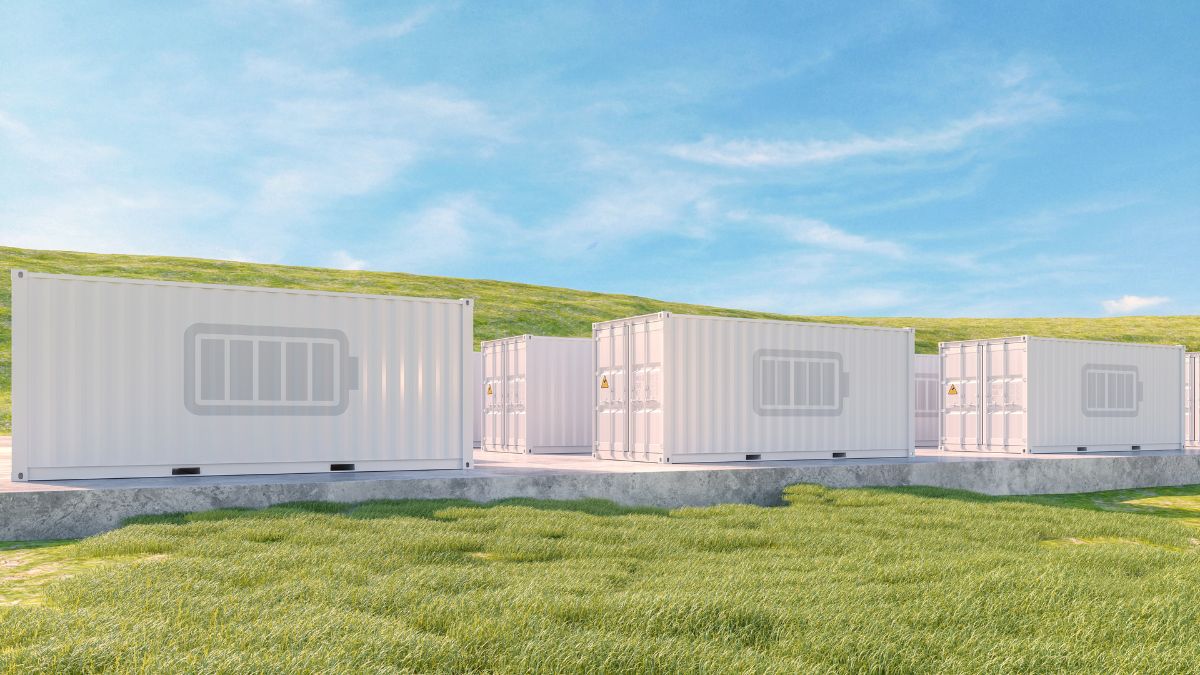
A key change in the draft amendment is the introduction of “Entities with Restricted Access,” referring to renewable energy generating stations (REGS) or energy storage systems (ESS) that have limited injection scheduling rights based on solar and non-solar hours. This distinction is crucial as it allows better management of power flow based on availability. Solar hours will be declared weekly by the National Load Dispatch Centre (NLDC) for each state, determining the periods when solar-based generation will be prioritized. Non-solar hours, on the other hand, will accommodate wind and other renewable energy sources along with energy storage systems.
A new regulation, 5.2a, has been introduced to set conditions for additional generation capacity under existing connectivity approvals. Entities seeking to add more capacity must provide financial guarantees and submit a scheduled date for commercial operation. If the additional capacity involves renewable energy with or without storage, the project must be commissioned within 18 months from approval. These requirements ensure timely development and effective utilization of transmission infrastructure.
Regulation 5.11 introduces a framework for connectivity with restricted access. Renewable energy projects based on wind or ESS can now apply for connectivity at inter-state transmission substations with scheduling rights for non-solar hours. Conversely, solar-based projects or hybrid renewable energy systems (RHGS) will have restricted scheduling during non-solar hours unless they integrate with other sources like wind or storage. The amendments provide examples of how different energy sources can combine their connectivity rights to optimize grid usage.
The amendments also address the financial and operational aspects of connectivity. Developers must furnish guarantees and comply with timelines to avoid revocation of approvals. Renewable Power Park Developers must declare their commercial operation date before final connectivity approval. Additionally, the regulations specify changes in shareholding control for companies seeking connectivity, ensuring that promoters maintain ownership stability until projects reach commercial operation.
A new annexure outlines modalities for restricted access, covering grant conditions, cost-sharing mechanisms for dedicated transmission systems, and agreements between multiple entities using the same transmission infrastructure. The nodal agency will publish a list of substations with connectivity details and update it monthly to enhance transparency.
Furthermore, the NLDC will define and update solar and non-solar hours weekly, considering weather conditions and grid requirements. This flexibility allows better integration of variable renewable energy sources while ensuring grid stability.
The proposed amendments reflect a strategic approach to managing the growing renewable energy sector. By introducing structured scheduling, connectivity guarantees, and financial compliance measures, the regulations aim to streamline the integration of solar, wind, and storage projects. These changes are expected to enhance grid reliability and promote efficient utilization of transmission resources, supporting India’s energy transition towards a more sustainable future.