The Assam Electricity Regulatory Commission (AERC) has introduced new regulations in 2024 for battery energy storage systems (BESS) in the state. These rules aim to guide how such systems should be procured and managed for use in Assam’s electricity network. The regulations are officially known as the Assam Electricity Regulatory Commission (Procurement and Dispatch of Battery Energy Storage System) Regulations, 2024. They are issued under the powers given to the AERC by section 181 of the Electricity Act, 2003. These regulations will come into force on the date they are published in the Assam Government Gazette and will apply throughout the state.
The main goal of these regulations is to create a proper system for the purchase and use of energy, capacity, and ancillary services from battery storage systems. This procurement can be done by selected agencies, called ‘Procurers,’ through competitive bidding or by developing projects where the tariff is fixed by the regulatory commission. These rules are only meant for battery storage projects that are connected to the electricity grid and meet certain minimum requirements.
According to the rules, each battery storage project must have a power capacity of at least 1 megawatt (MW). The energy storage capacity should also match the use case for the specific location where the project is set up. This means that the battery should be able to deliver electricity as required by that particular area. The regulations are binding on several types of participants in the electricity sector, such as energy storage developers, Procurers, Intermediary Procurers, End Procurers, Implementing Agencies, and representatives of the Procurers.
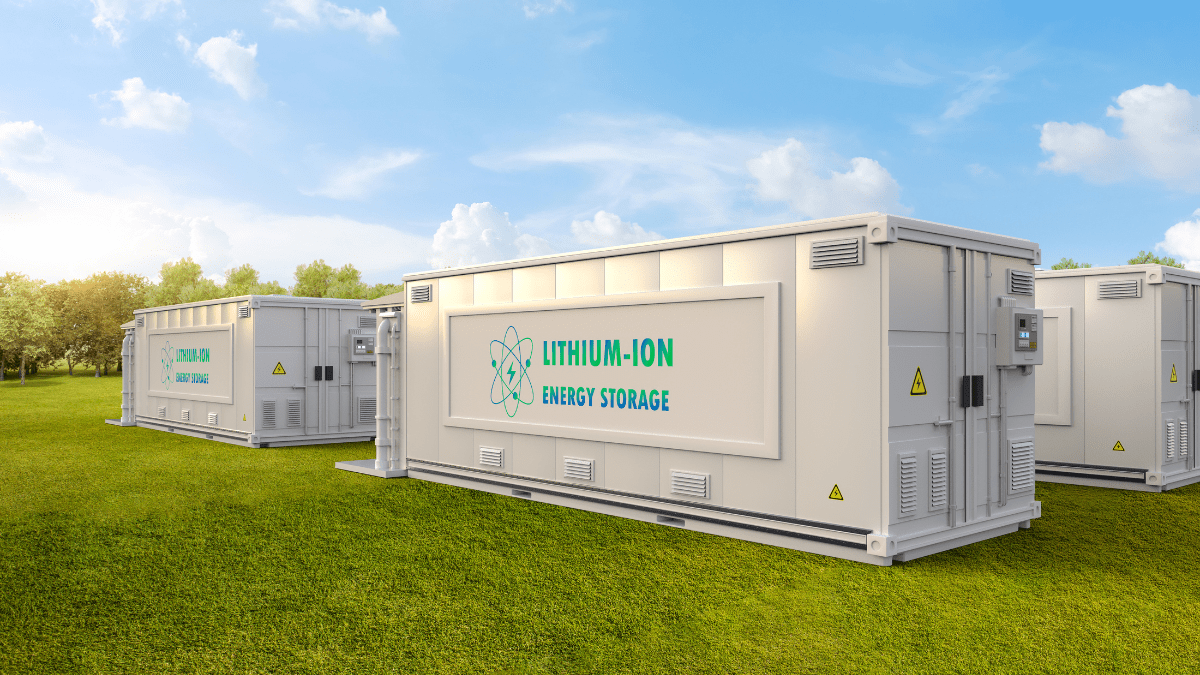
To avoid any confusion in interpretation, the regulations include a section that clearly defines key terms. For instance, the term “Act” refers to the Electricity Act of 2003, including any amendments made to it later. The term “Battery Energy Storage Systems” covers systems that store energy using chemical processes and can later release it as electricity. These systems also include any additional facilities needed for their operation.
There are also definitions for technical and operational terms. One such term is “Black Start,” which refers to the ability of a generating unit to restart without taking electricity from the grid. This feature is very useful in situations where the electricity grid fails completely. Another important concept is the project development model. Terms like “Build-Own-Operate” (BOO) and “Build-Own-Operate-Transfer” (BOOT) are defined to explain different ways in which battery storage projects can be planned and managed. Under BOO, the developer builds, owns, and operates the system for a set period. In BOOT, the system is also transferred back to the buyer after that period.
The technical side of battery systems is also well-covered. Terms such as “Charge Ramp Rate” and “Discharge Ramp Rate” are defined. These rates describe how fast a battery can begin storing energy or releasing it. These details are important for proper planning and integration of battery systems into the power grid.
Overall, these new rules from AERC aim to support the development of battery energy storage in Assam in a structured and transparent manner. By providing clear rules for how storage projects should be designed, procured, and operated, the commission wants to make sure that battery systems are used effectively. This will help improve the reliability and flexibility of Assam’s electricity grid, while also supporting the growth of renewable energy and modern grid technologies.