By , and
- US power demand rising from artificial intelligence
- Coal’s share of power generation less than 20% from 50% in 2000
- Orders to direct coal leasing plans on US lands
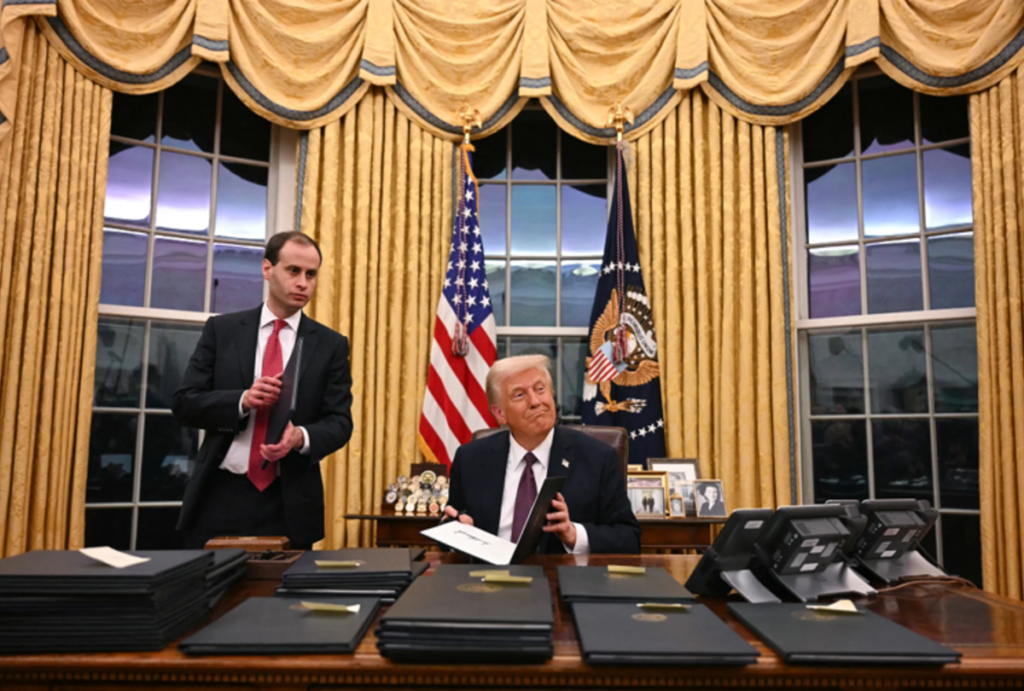
WASHINGTON, April 8 (Reuters) – U.S. President Donald Trump signed executive orders on Tuesday that aim to boost coal production in his latest action that runs counter to global efforts to curb carbon emissions.
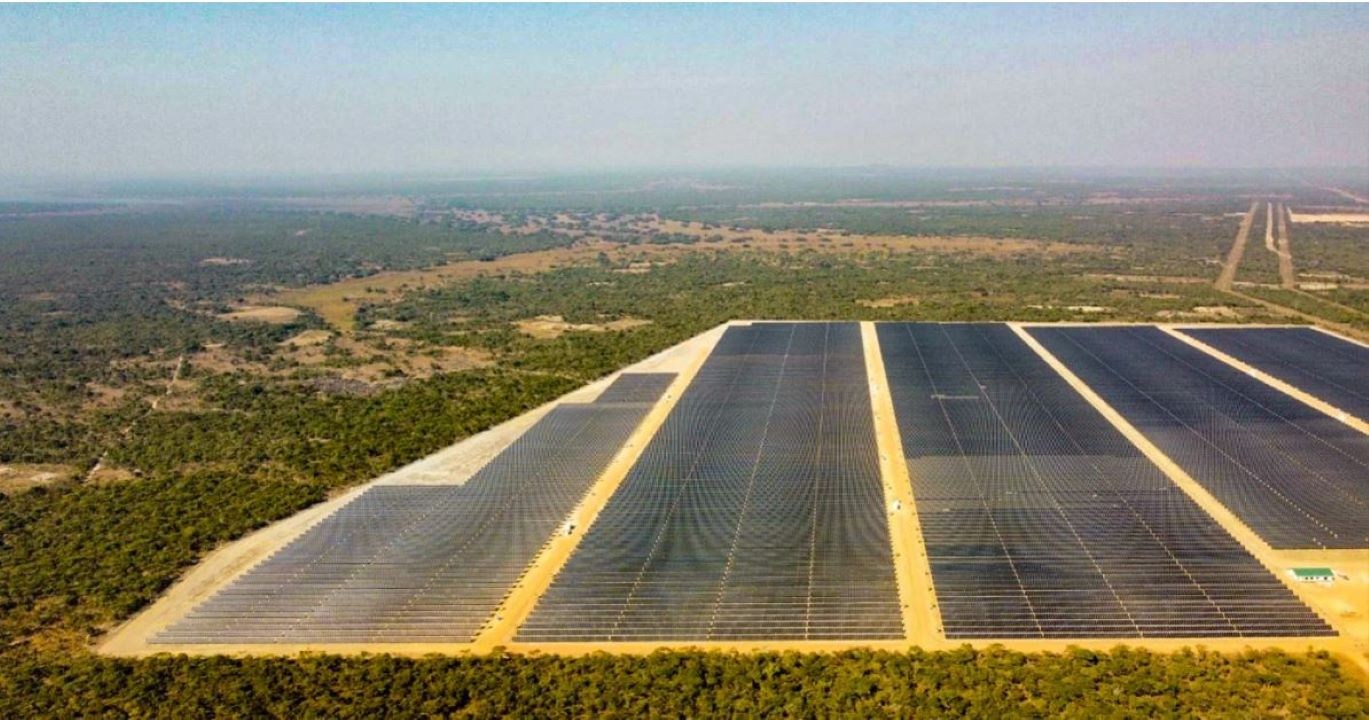
Coal-burning plants generate less than 20% of U.S. electricity, a drop from 50% in 2000, according to the Energy Information Administration, as fracking and other drilling techniques have hiked production of natural gas. Growth in solar and wind power has also cut coal use.
“We’re bringing back an industry that was abandoned,” Trump said at the White House, standing in front of about three dozen mostly male coal miners wearing hard hats.
“We’re going to put the miners back to work,” Trump said about a workforce that has sunk to about 40,000 from 70,000 ten years ago.
Trump, a Republican, campaigned on a promise to increase U.S. energy output and has sought to roll back energy and environmental regulations since taking office on January 20.
U.S. electricity demand is rising for the first time in two decades on growth in power-hungry data centers for artificial intelligence, electric vehicles, and cryptocurrencies.
The orders include efforts to save coal plants that were likely to be retired, including unlocking authorities in the 1950 Defense Production Act to boost coal production.
They also direct Energy Secretary Chris Wright to determine whether coal used in steel production is a “critical mineral.” Allowing that classification, typically reserved for minerals needed for high-tech defense systems, for metallurgical coal could set the table for use of emergency powers to raise production.
In addition, the orders direct Interior Secretary Doug Burgum to acknowledge the end of a moratorium that paused new coal leasing, which allows private companies to buy the right to extract coal, on federal lands, and to prioritize the leasing.
Shares in U.S. coal producers Peabody (BTU.N) and Core Natural Resources (CNR.N) each shot up about 9% after the news.
Still, it is uncertain what demand there is for any greater U.S. coal output, with hundreds of domestic coal-burning plants having closed this decade on cheaper fuels and concerns about future regulations even if Trump’s administration dismantles current ones.
When burned, coal releases more of the main greenhouse gas carbon dioxide than any other fossil fuel. It also emits pollutants linked to lung and heart diseases. Much of its use has declined due to regulations from Democrats, including former President Joe Biden.
‘STUCK IN THE PAST’
Existing U.S. coal plants only provide power to the grid about 40% of the time. Backers say that number can be boosted through deregulation and other measures.
In his first administration, Trump tried to prop up coal by having his then energy secretary direct federal energy regulators to subsidize coal plants for their contribution in making power grids more reliable and resilient. The regulators rejected the plan in 2018.
Coal backers were hopeful about the new approach. Trump’s orders will “clearly prioritize how to responsibly keep the lights on, recognize the enormous strategic value of American mined coal and embrace the economic opportunity that comes from American energy abundance,” said Rich Nolan, president and CEO of the National Mining Association.
Environmental groups slammed Trump’s coal plan. “Coal plants are old and dirty, uncompetitive and unreliable,” said Kit Kennedy, managing director for Power at the Natural Resources Defense Council.
“The Trump administration is stuck in the past, trying to make utility customers pay more for yesterday’s energy. Instead, it should be doing all it can to build the electricity grid of the future.”
Reporting by Jarrett Renshaw and Timothy Gardner; Additional repoting by Susanna Twidale in London; Writing by Susan Heavey; Editing by David Goodman, Barbara Lewis and Marguerita Choy
Share This:
More News Articles