-
Stargate’s first AI data center, planned to be completed next year, will require enough electricity to support 300,000 homes, but securing that power isn’t as simple as plugging into the grid.
Summary by Bloomberg AI
-
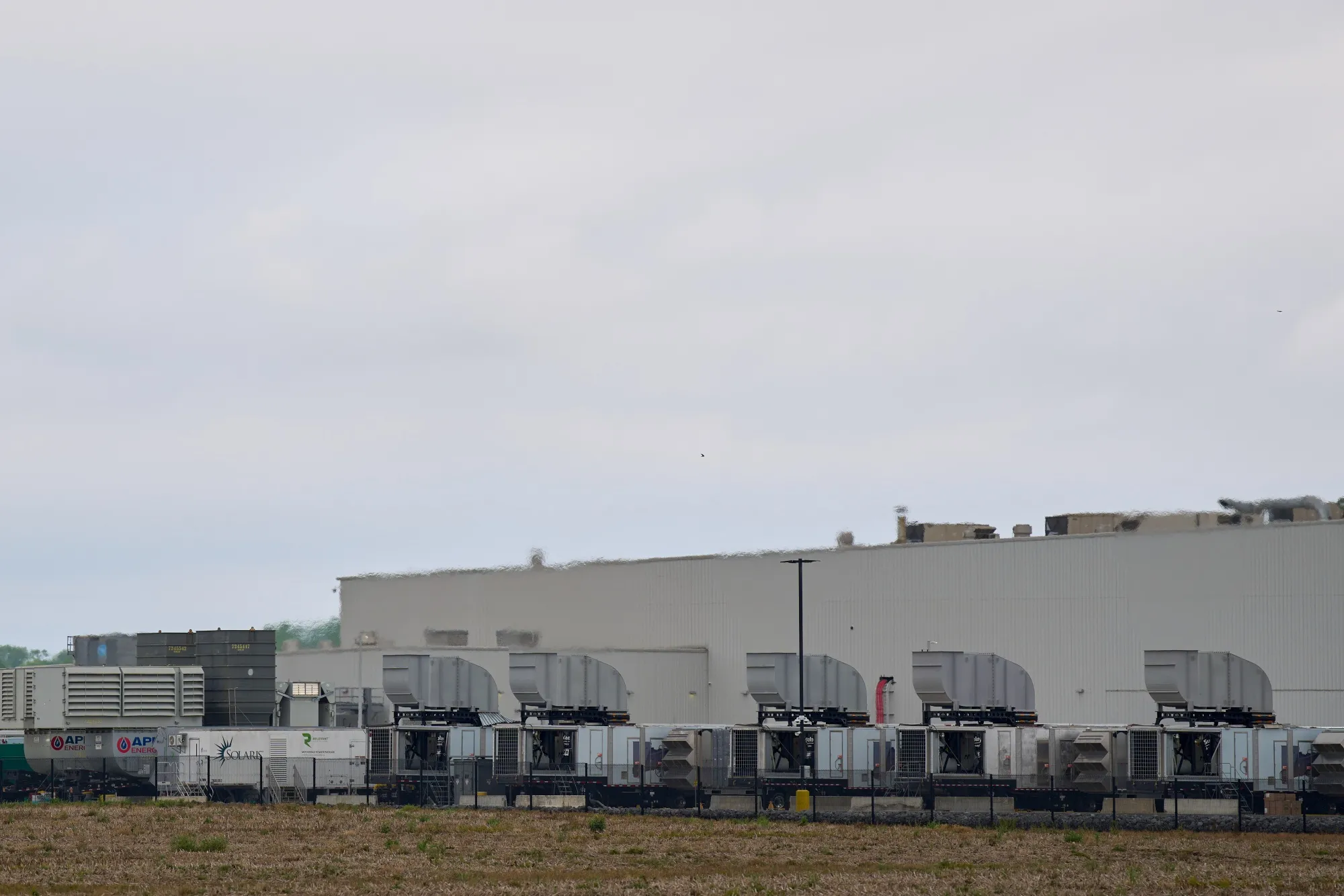
The venture is relying on small, single cycle natural gas turbines to power the Texas megafactory, a technology that’s largely been relegated to the sidelines of power production.
Get the Latest US Focused Energy News Delivered to You! It’s FREE:
Summary by Bloomberg AI
-
The trend has sparked an unlikely comeback for this type of gas turbine, which is inefficient and polluting, and lays bare a critical disconnect between the growth of AI and the state of the US power sector.
Summary by Bloomberg AI
If Stargate’s first AI data center is completed next year as planned, the 900-acre site will need enough round-the-clock electricity to support 300,000 homes. But securing that power isn’t as simple as plugging into the grid.
Unlike arch rival Meta Platforms Inc., which Tuesday announced a 20-year deal to buy electricity from an Illinois nuclear plant, Stargate is relying on a technology that’s largely been relegated to the sidelines of power production: small, single cycle natural gas turbines.
That’s because the AI boom – which has supercharged electricity demand – is unfolding faster than power plants can be built and new grid connections established.
The venture by OpenAI, Oracle and Softbank is bridging that gap by stringing together a dozen of the small generators to power the Texas megafactory. Other city-sized data centers, including Elon Musk’s xAI and Alphastruxure, a joint venture between Carlyle and Schneider Electric, are doing the same.
The trend has sparked an unlikely comeback for a type of gas turbine that long ago fell out of favor for being inefficient and polluting. It also lays bare a critical disconnect between the growth of AI and the state of the US power sector. The next three years are key to the expansion of AI computing, and technology companies that had pledged to go green are racing to erect the city-sized data centers that will fuel it. At the same time, aging power infrastructure means there’s a years-long wait to connect and tap power from electric grids. And nuclear — now in huge demand from tech giants — is unlikely to provide much new power anytime soon.
“There is a high level of urgency in the industry to get power fast,” said Cully Cavness, co-founder and chief operating officer of Crusoe, which is building the first Stargate project. “We have tried to be creative about the energy component of data centers.”
Stargate and its rivals say they’re also exploring zero-carbon forms of energy, such as solar, batteries and even nuclear, to help meet the tremendous and constant electricity requirements of data centers. Constellation Energy Corp., the biggest US operator of reactors, agreed this week to sell nuclear power to Meta and last year said it would restart the shuttered Three Mile Island nuclear plant and sell the electricity to Microsoft Corp.
But many data centers, including Stargate, don’t have easy access to nuclear power, and concerns about the reliability of renewable power led many developers to favor gas-fired power, which can run 24-7.
Consequently, orders for bigger, more efficient gas plants – called combined-cycle turbines – have surged, creating a manufacturing backlog of three to five years, with an additional year to bring them online. So data center developers are scrambling to snag whatever turbines they can, which usually means single-cycle, in the range of 100 to 200 megawatts.
Mitsubishi Power Americas and Siemens Energy AG are seeing buyers clamor for smaller units, typically 70 megawatts or lower, for delivery as early as 2025-2026. And GE Vernova has seen increased demand for simple cycle units with the option to upgrade them to the more efficient combined cycle equipment.
Its the biggest frenzy for gas turbines in the US since Enron collapsed over two decades ago, said Rich Voorberg, president of Siemens Energy North America, which produces the machines. Even orders for small turbines are starting to back up, spurring developers to snap up ever-tinier machines, such as off-the-shelf jet engine turbines, with capacities of as little as 5 megawatts.
“A lot of these guys want to build in chunks because then you can have more flexibility,” said Shannon Miller, chief executive officer of Mainspring, which makes units so small that 100 of them are needed to produce 25 megawatts.
Projects such as Stargate that ultimately plan to connect to the local grid will at that point start using these smaller gas turbines as back-up power and to provide services to help keep that grid stable, said Cavness.
But the increasing reliance on gas-fired power creates fresh concerns about the climate impacts of AI’s gargantuan need for power. Big tech firms set ambitious climate pledges years ago after facing pressure from their employees, but Amazon, Microsoft and Google have all since acknowledged that the race to build new data centers and develop AI could complicate their long-term climate objectives.
Single-cycle turbines emit an average 1,389 pounds of carbon per megawatt-hour, compared with 839 pounds for combined-cycle machines, according to BloombergNEF estimates. What’s more, tech companies often rely on corporate power purchase agreements for their decarbonization efforts — buying clean power for some of their operations while siting their energy-intensive data centers in areas with fossil fuel-heavy power grids.
That means data-center demand overwhelmingly relies on gas and coal generation and slows the coming decline in carbon emissions, according to BloombergNEF.
For now, developers are simply focused on securing megawatts, until they can get gigawatts.
“The world can’t wait,” said Sebastian Bonneau, a lawyer leading the data center practice at McDermott Will & Emery. “You have to secure that power.”
— With assistance from Emma Sanchez
Share This:
More News Articles