By
55 min ago 2 min read
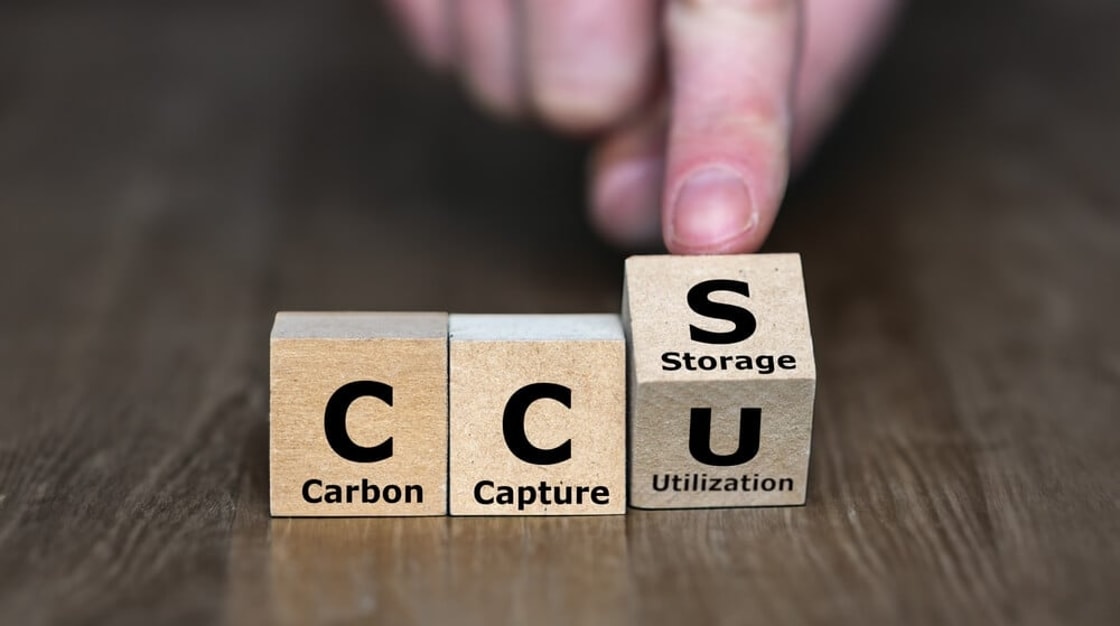
Next-generation carbon capture systems that align chemistry with industrial reality can break through the economic barrier that has historically limited deployment, according to a World Economic Forum paper.
“Too many promising technologies are dreamed up in controlled environments and only later introduced into industry,” it states. “Technologies that are going to work in the real world have to be designed for it from the very beginning.”
For decades, the carbon capture industry has chased incremental improvements: slightly better solvents, marginal efficiency improvements, and modest cost reductions. Those improvements matter, but they don’t actually shift the cost curve enough to make large-scale adoption compelling, the paper adds.
Today’s most commercially deployed carbon capture systems rely on amine-based solvents, which operate best in relatively low-temperature and controlled conditions. But heavy industry operates in far harsher realities.
The research considers if chemistry was designed to match industrial operating conditions rather than the other way round.
“Several companies and research institutions are exploring high-temperature approaches using inorganic materials, including molten salts, and solid alkaline earth oxides, such as calcium oxide and magnesium oxide, or mixed metal oxide systems,” it continued.
“While these systems may look similar to traditional ones, the underlying chemistry can be entirely different.”
It cites calcium looping and Mantel’s molten borate technology as representative of the broader shift.
Reducing the traditional energy penalty associated with carbon capture has large implications.
“When energy efficiency improves, cost savings follow. In sectors where energy is a primary economic driver, this shift inherently changes the business case for deploying carbon capture.”
Read more on carbon capture in the August issue of gasworld global