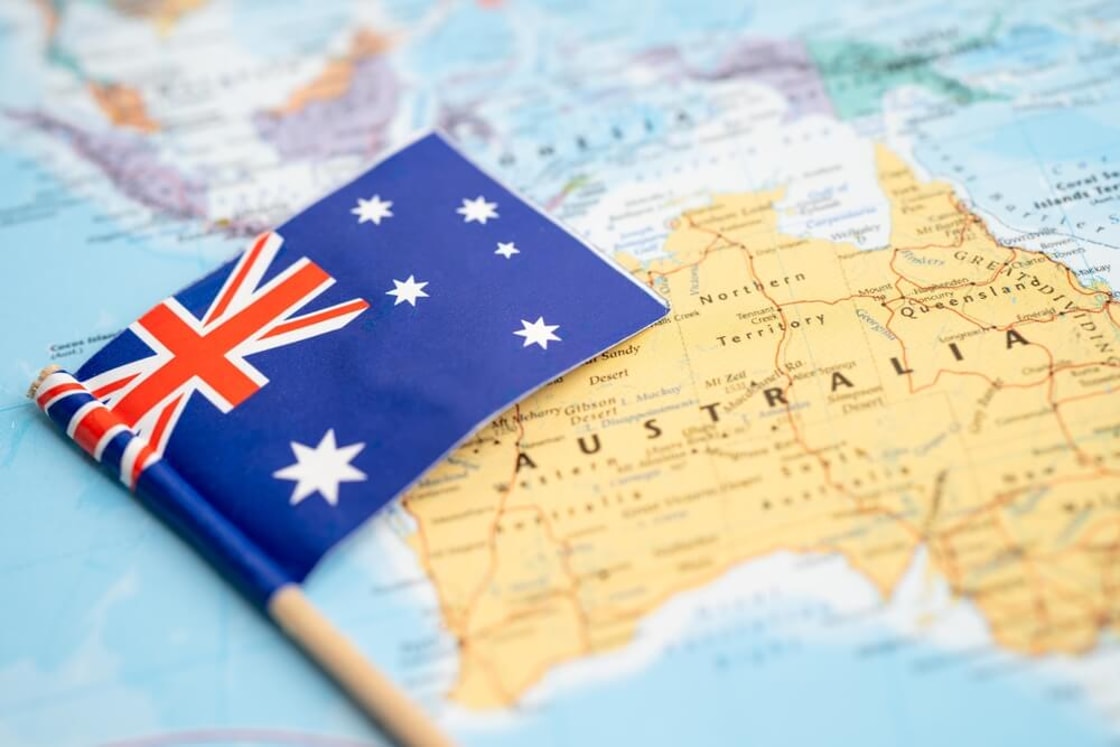
Australia’s government plans to spend A$10 billion, or $7 billion, on building its fuel stock to avoid future supply squeezes.
The plans involve stocking up enough to cover at least 50 days of demand, Prime Minister Anthony Albanese said, as quoted by Reuters today. This means a reserve of 264 million gallons, or about 6.28 million barrels based on a conversion factor of 42 gallons to the barrel.
“The federal budget next week will include an Australian fuel security and resilience package,” Albanese told the media. “This is aimed at making sure Australians can have more confidence in protecting our energy sovereignty not just during this crisis but going forward as well, protecting our nation’s energy interests.”
The stocks will be managed by the government, which would be a first for Australia. Currently, the country’s fuel stocks are all managed by private companies, and at the moment stand at some 30 days of consumption.
As part of efforts to secure the supply of fuels such as diesel and jet fuel, the government will oblige refiners and energy importers to maintain at least 40 days of supply, up from 30.
Australia is dependent on imported fuels for 80% of its consumption. After the war in the Middle East froze exports from the Persian Gulf, the Albanese government rushed to cushion the blow by releasing 20% of the country’s existing gasoline and diesel fuel reserves and halving the excise duty on fuels. The measure would reduce the cost of filling up a tank by about $13, or A$19, according to the government.
“While Australia’s fuel supply outlook remains secure in the near term because of the actions the Albanese Government has taken, the longer this war goes the worse the impacts will be,” Canberra said in March.
Since then, separate states have taken matters into their own hands, approving new oil and gas exploration, looking to secure long-term supply.
By Irina Slav for Oilprice.com
More Top Reads From Oilprice.com
- API Confirms Very Large Crude and Oil Product Draws
- $125 Oil Could Tip Global Economy Into Recession
- UAE: OPEC Exit ‘Not Directed Against Anyone’