By
10 min ago 3 min read
BP is to sell its Archaea Energy biogas business, it disclosed in Q2 results today.
It bought the Houston-based firm , as part of a triple strategy to expand its presence in the US biogas industry, support customers’ decarbonisation goals and reduce the average carbon intensity of the energy products it sells.
But now, under a corporate portfolio simplification drive, it is cutting back on non-core assets. It follows last week’s news that it has started to process to sell North Sea assets after 60 years of production.
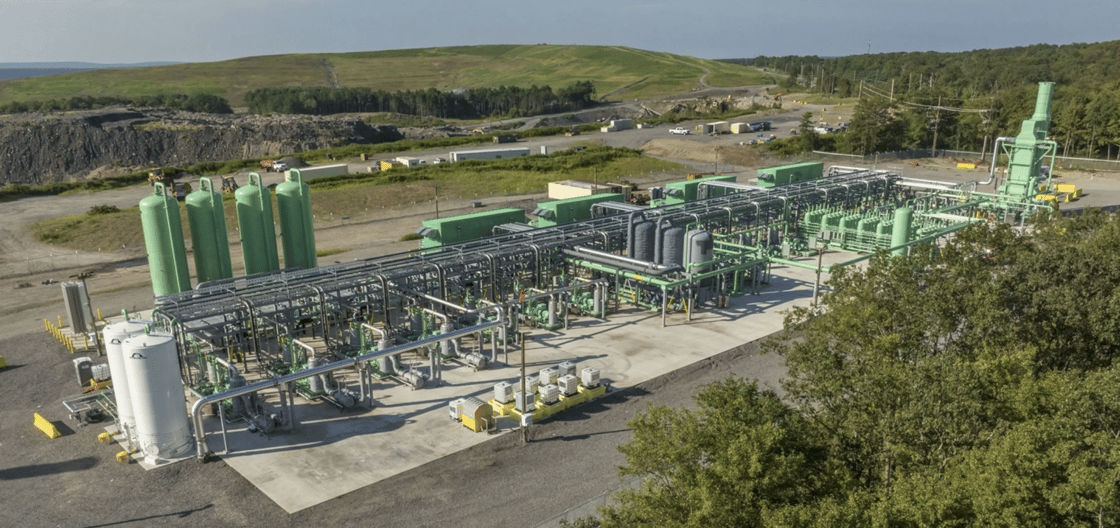
Archaea specialises in the development and construction of RNG (biomethane), and landfill gas-to-electric and dairy digester facilities that capture waste and convert it into low-carbon energy.
While the sale marks a strategic pivot from biogas, BP maintains a partnership with Clean Energy Fuels Corp to build anaerobic digestion facilities to process dairy cow manure into scalable renewable natural gas (RNG) for commercial use.
CEO Meg O’Neill said its costs and liabilities are “not resilient enough” in a low price environment, although its underlying quarterly profit jumped $2.5bn in three months to $5.7bn, thanks largely to soaring energy prices as a result of the Middle East war. Net debt stands at $22.3bn, down from $25.3bn in Q1. Impairment charges totalled $0.8bn, under the amount forecasted in a .
She said performance over the last few years has met neither its own expectations nor those of shareholders. Future investments will be based on value creation and not “sentiment, history, or legacy attachment”.
“We need to move faster, and we have both the opportunity and the technology to do this. Operational excellence is also about working safely with people, communities and the environment; it helps us work to deliver energy that is secure, affordable and lower-carbon, where it makes business sense – and it is how we will make BP more competitive,” she said.
Full year divestment proceeds are expected to be in the range of $8 to 9bn, buoyed by the sale of the Gelsenkirchen refinery in Germany on 31 July.
BP and Iberdrola could expand their at the British oil major’s refinery in Spain, after the Spanish government approved the reallocation of €211m ($239.5m) in subsidies in June.