The impacts of climate change and extreme weather are increasing the vulnerability of renewable energy systems, particularly solar photovoltaic (PV) and wind power projects. According to a report by the International Renewable Energy Agency (IRENA), the number of major weather-related disasters between 2000 and 2021 nearly doubled compared to the previous two decades. This rise in climate variability has led to significant financial damages and disruptions in power supply, making it essential to build climate-resilient renewable energy infrastructure.
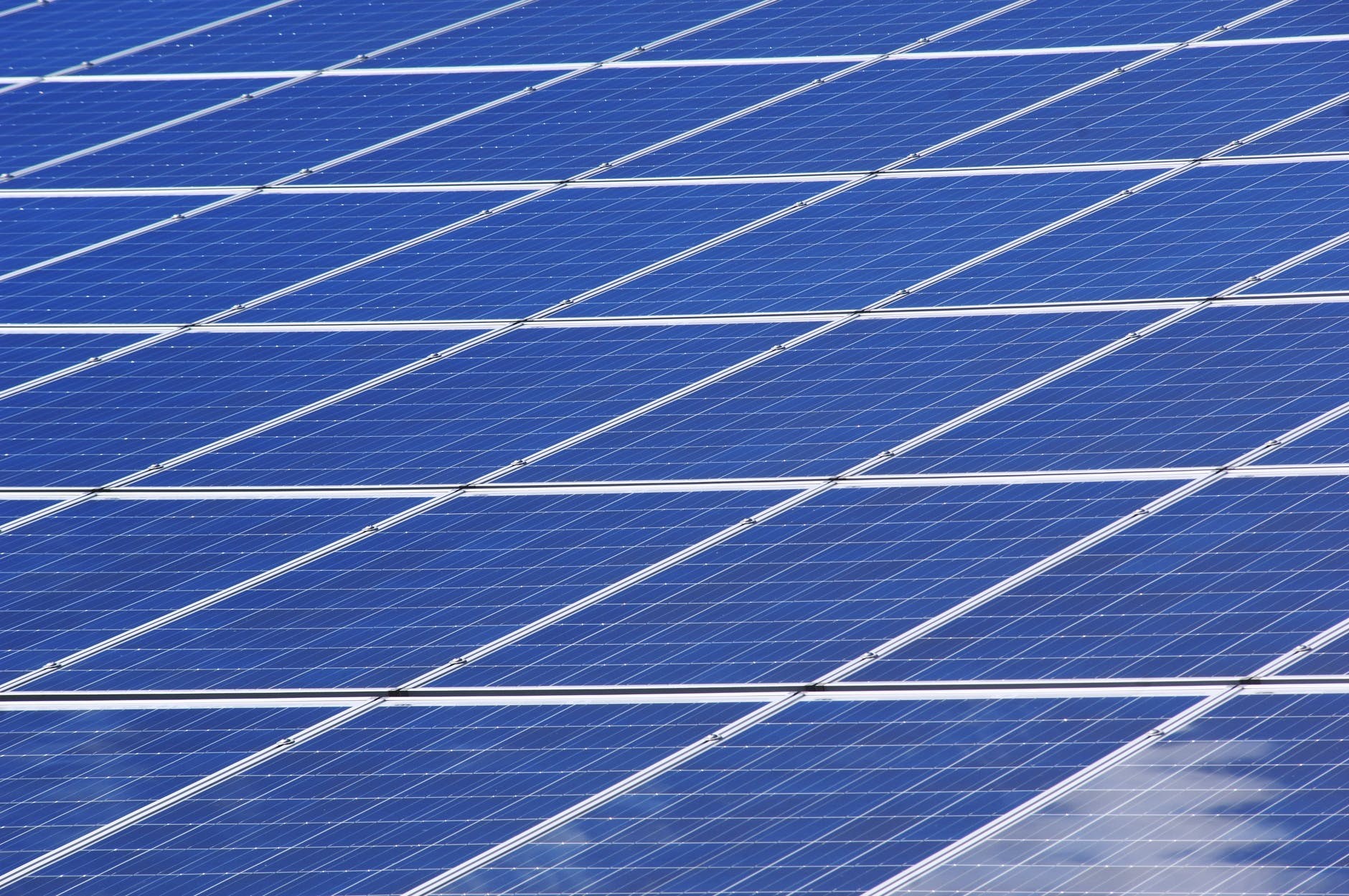
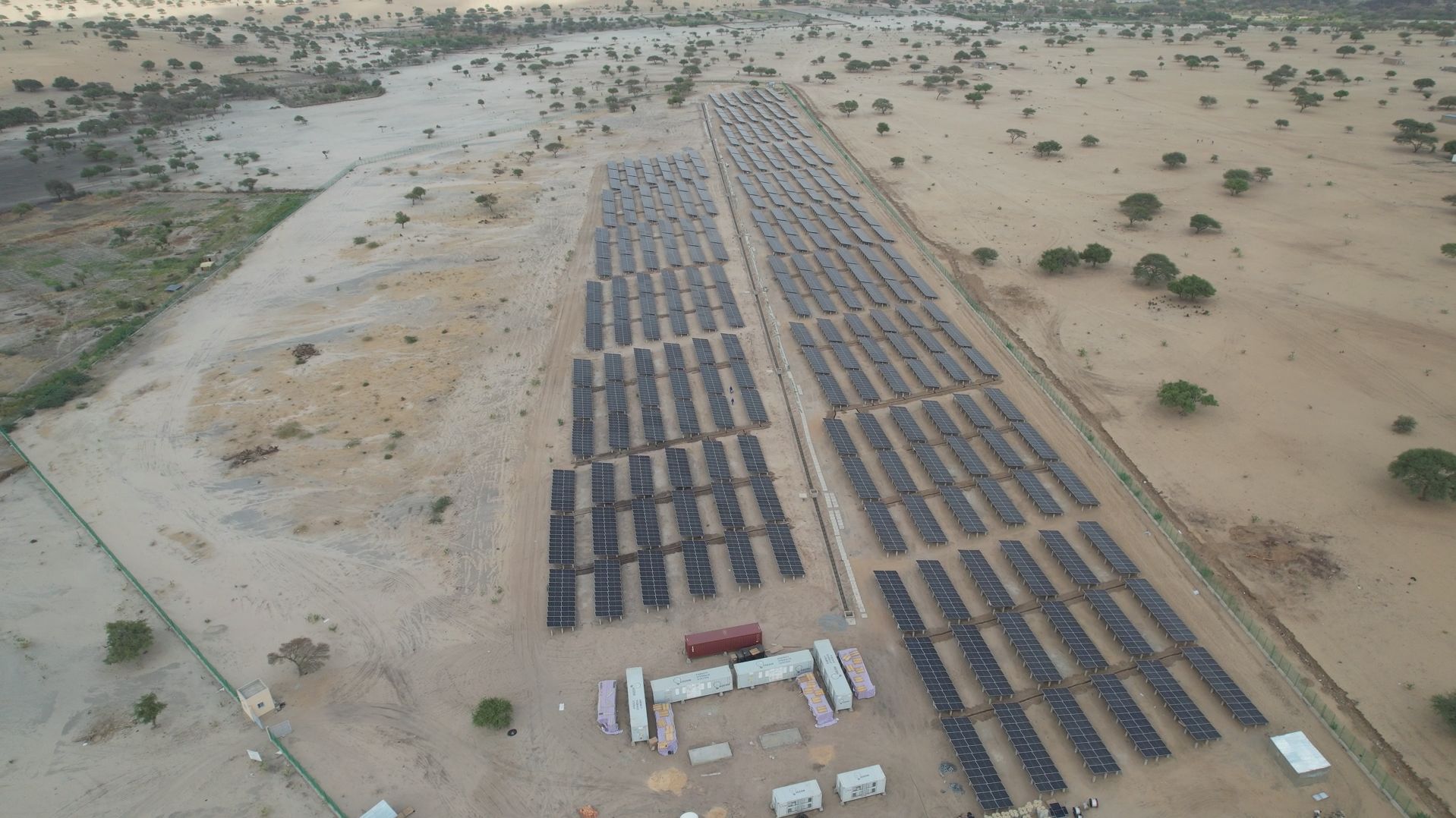
Renewable energy systems, like any infrastructure, are exposed to extreme weather events such as cyclones, hailstorms, heat waves, and heavy rainfall. These events can severely damage solar panels and wind turbines, reduce power generation, and increase maintenance and insurance costs. For example, dust accumulation on PV modules in desert regions can lead to more than 5% energy loss in a single week, while high winds can cause structural damage to installations.
To address these growing challenges, IRENA highlights the importance of a strong quality infrastructure (QI) for renewable energy systems. QI includes standards, testing, certification, and performance monitoring systems that ensure renewable installations can withstand extreme weather conditions. For instance, international standards like IEC 61215 for solar panels and IEC 61400 for wind turbines are designed to test components for durability under harsh environmental stresses. These standards help reduce long-term operational risks and build investor confidence.
Effective QI starts with thorough risk assessments using historical weather data, satellite imagery, and predictive climate models. During project design and development, mitigation strategies such as reinforced structures, corrosion-resistant materials, and backup power systems are necessary to ensure continued operation during storms or grid outages. For example, the application of air filters and anti-corrosion coatings in coastal wind farms has helped reduce maintenance downtime significantly.
Construction quality is equally important. Developers must ensure that the components used in solar and wind installations meet international standards through factory acceptance tests. Independent quality verification during construction is crucial to validate safety and performance compliance. Once operational, predictive maintenance systems and regular monitoring allow for early detection of threats, minimizing disruptions.
From an economic standpoint, integrating QI measures might slightly increase capital costs but deliver higher returns over time. Projects that include these measures experience fewer breakdowns, faster recovery from adverse weather, and longer equipment life. A cost-benefit analysis in the report shows that incorporating mitigation strategies can maintain or even improve the internal rate of return (IRR), especially in high-risk areas.
Policymakers play a key role in supporting QI by promoting national standards, mandating their use in public tenders, and setting up local testing and accreditation facilities. Investors and financial institutions are also encouraged to prioritize projects with robust climate-resilience plans. Manufacturers, on their part, need to align their products with evolving international standards and invest in R&D for weather-resistant components.
The report concludes that making renewable energy systems climate-resilient is no longer optional. With extreme weather events becoming more frequent and intense, integrating QI at every stage—from planning and construction to operation and maintenance—is critical. This approach not only protects investments and ensures energy security but also supports a faster and more reliable global transition to renewable energy.