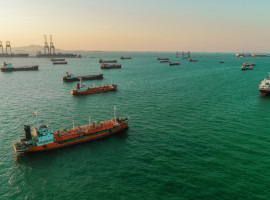
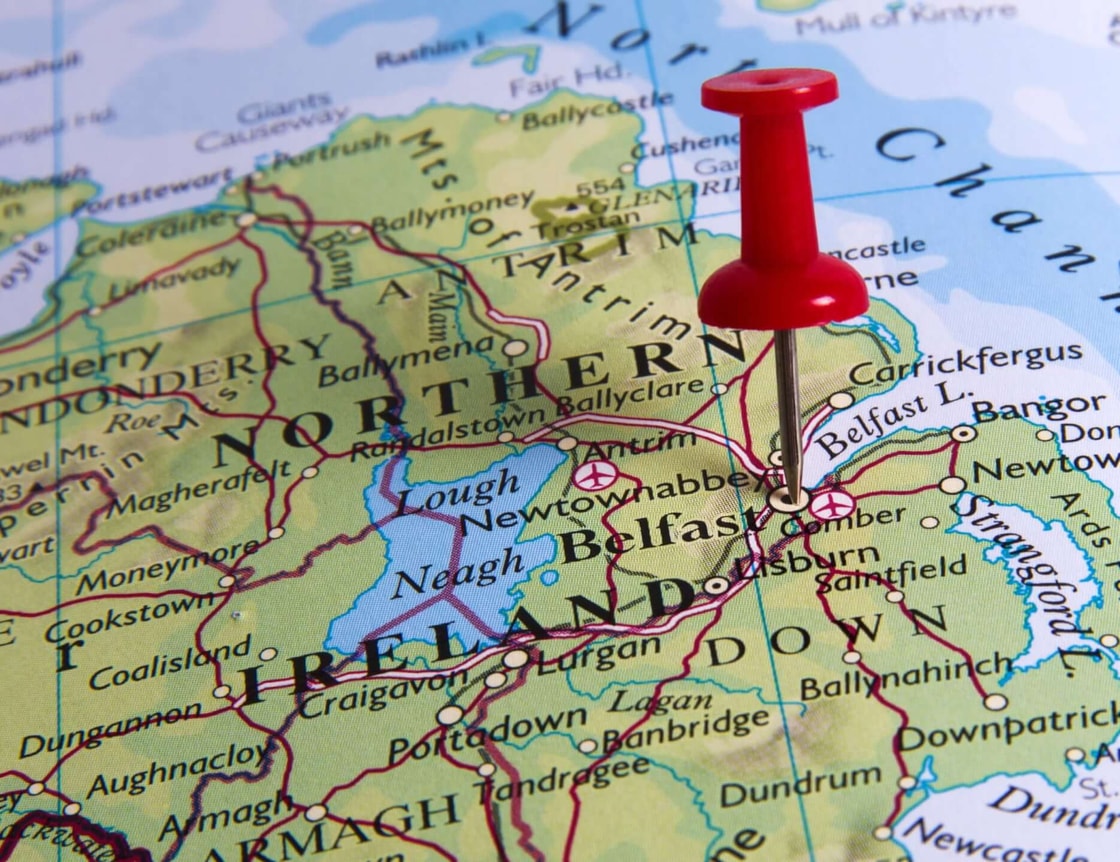
Global compressor technology company Burckhardt Compression (Burckhardt) has secured several orders to supply its compressor solutions for liquefied natural gas (LNG) terminal projects in Thailand and Taiwan.
Across the two terminals, Burckhardt will supply eight compressor units for boil-off gas (BOG) services and one for minimum send-of-service.
BOG is generated when natural gas is liquefied and stored at cryogenic conditions. LNG BOG typically ranges from 0.05% to 0.15% per day in modern carrier tanks, with onshore stations experiencing rates up to 5% or higher due to heat leakage.
Installing systems for re-liquefaction or compression can reduce operating costs by nine to 10% compared to just venting the gas, according to research.
Burckhardt’s Laby compressor technology uses a contactless, oil-free design to reduce both BOG and maintenance frequency.
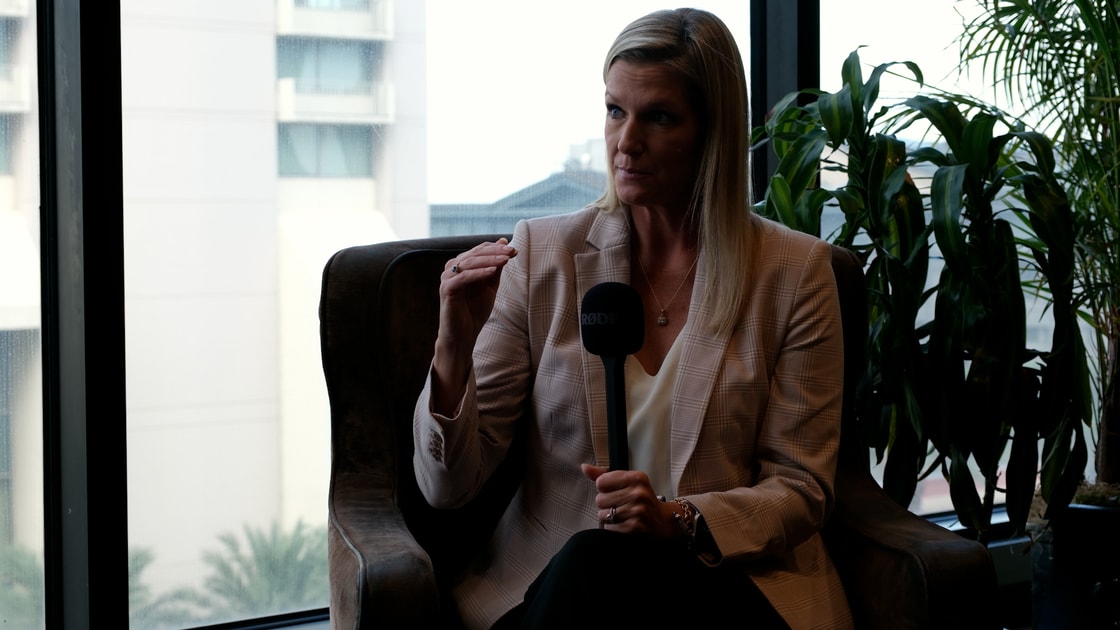
“These orders demonstrate the continued demand for reliable, efficient LNG terminal infrastructure in Asia-Pacific,” said Andreas Brautsch, President Systems Division at Burckhardt Compression.
Amid frequent fossil fuel crises, Thailand has reaffirmed its plans to become a regional LNG hub.

Burkhardt’s Laby compressor ©Burckhardt Compression
“For us, LNG is the best transition fuel. It provides energy that is secure, affordable and sustainable,” said Samerjai Suksumek, advisor to Thailand’s Minister of Energy, during the Gastech 2025 event.
The country currently has two LNG terminals with plans to build a third. The facility, on course for completion by 2029, will have an initial capacity of five million tonnes per year, with planned expansion to 10.8 million tonnes.
The terminal will enable the country to import up to 29.8 million tonnes per year of LNG, equivalent to around 93% of Thailand’s current total natural gas demand across all sectors.
Similarly, Taiwan is heavily reliant on LNG, which powered nearly 50% of its electricity in early 2026. The country imports over 99% of its natural gas, making it vulnerable to supply risks in the event of a shortage.
Earlier this year, the country signed deals with the US for increased supplies to reduce reliance on the Middle East.