By
36 min ago 3 min read
Researchers at Colorado State University (CSU), the US, have developed a process that uses carbon dioxide (CO2) to produce strong, flexible and recyclable plastics.
The catalytic process combines CO2 with a reactive molecule called bicycloalkane to produce a class of polyesters that can be recovered and recycled after use.
The researchers said the materials can be designed to offer properties ranging from the strength of tough plastics to the flexibility of rubber, potentially providing alternatives to conventional plastics in a range of applications.
The work, published in Nature, is based on a closed-loop approach in which CO2 is incorporated into the material as a building block rather than being released or permanently stored.
Eugene Chen, University Distinguished Professor at CSU and lead researcher on the project, said the challenge has been finding ways to incorporate larger amounts of otherwise inactive CO2 into recyclable and degradable plastics.
“Our approach unlocks the potential for carbon dioxide as a renewable and inexpensive resource to produce recyclable polyesters that also exhibit performance-advantage and beneficial end-of-life properties,” he said.
Chen said the team is now looking at how the process could connect CO2 capture with the production of sustainable materials.
“We are developing an integrated technology that turns carbon dioxide capture into an intermediate as a building block for production of sustainable materials of many types and needs,” he said.
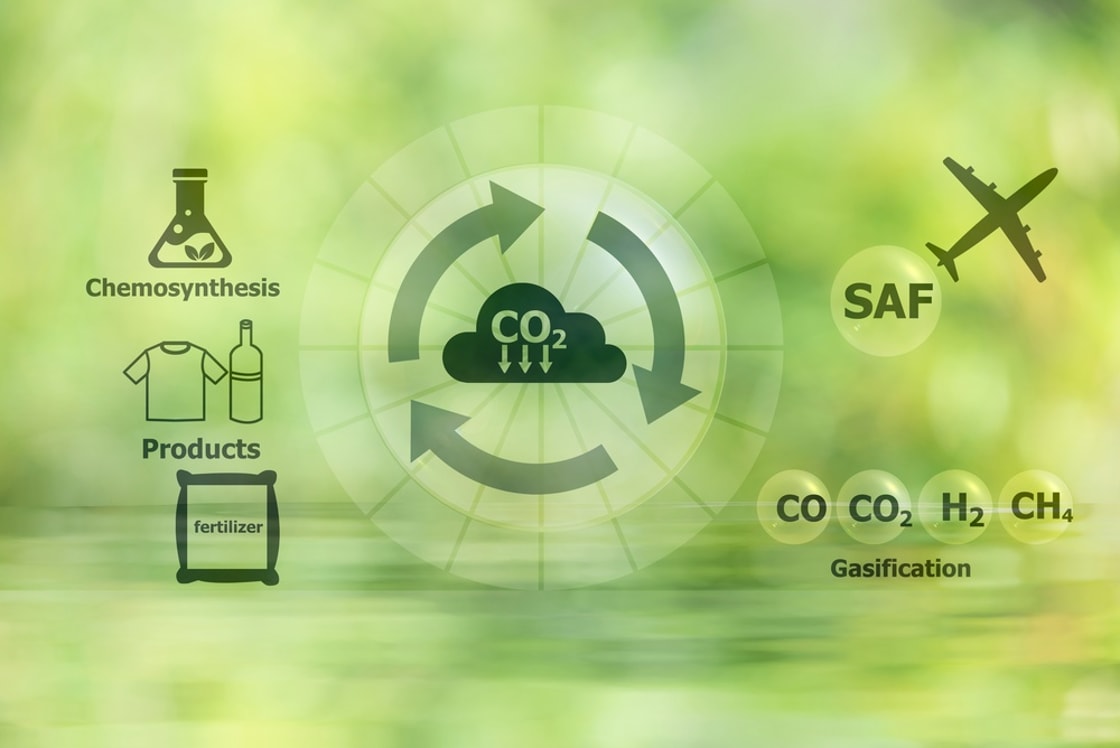
The researchers said the approach could help create a more circular carbon economy by converting captured CO2 into useful products rather than treating it solely as a waste stream.
The work adds to growing research into CO2 utilisation, with captured carbon being explored as a feedstock for products including chemicals, fuels and construction materials.
Last year, gasworld reported on from the University of Sharjah in the UAE, where scientists developed a process to turn waste coffee grounds and plastic into activated carbon for CO2 capture.
The technology used co-pyrolysis to convert polyethylene terephthalate (PET) and coffee waste into a porous carbon material capable of adsorbing CO2, providing a potential route to simultaneously address waste management and carbon capture.
The CSU team included researchers from Northwestern University, with postdoctoral researcher Min Zhu serving as first author of the study.