Contemporary Amperex Technology Co. Limited (CATL) has achieved its 2025 target of carbon neutrality across its core operations, with all 20 of its battery manufacturing plants certified as carbon neutral. The company has now unveiled a roadmap to achieve carbon neutrality across its entire value chain by 2035.
The announcement was made at an event in Ningde, where CATL also called on its global partners and suppliers to accelerate decarbonization across the battery industry. The company said its decarbonization strategy is increasingly becoming a core growth driver rather than solely a corporate sustainability initiative.
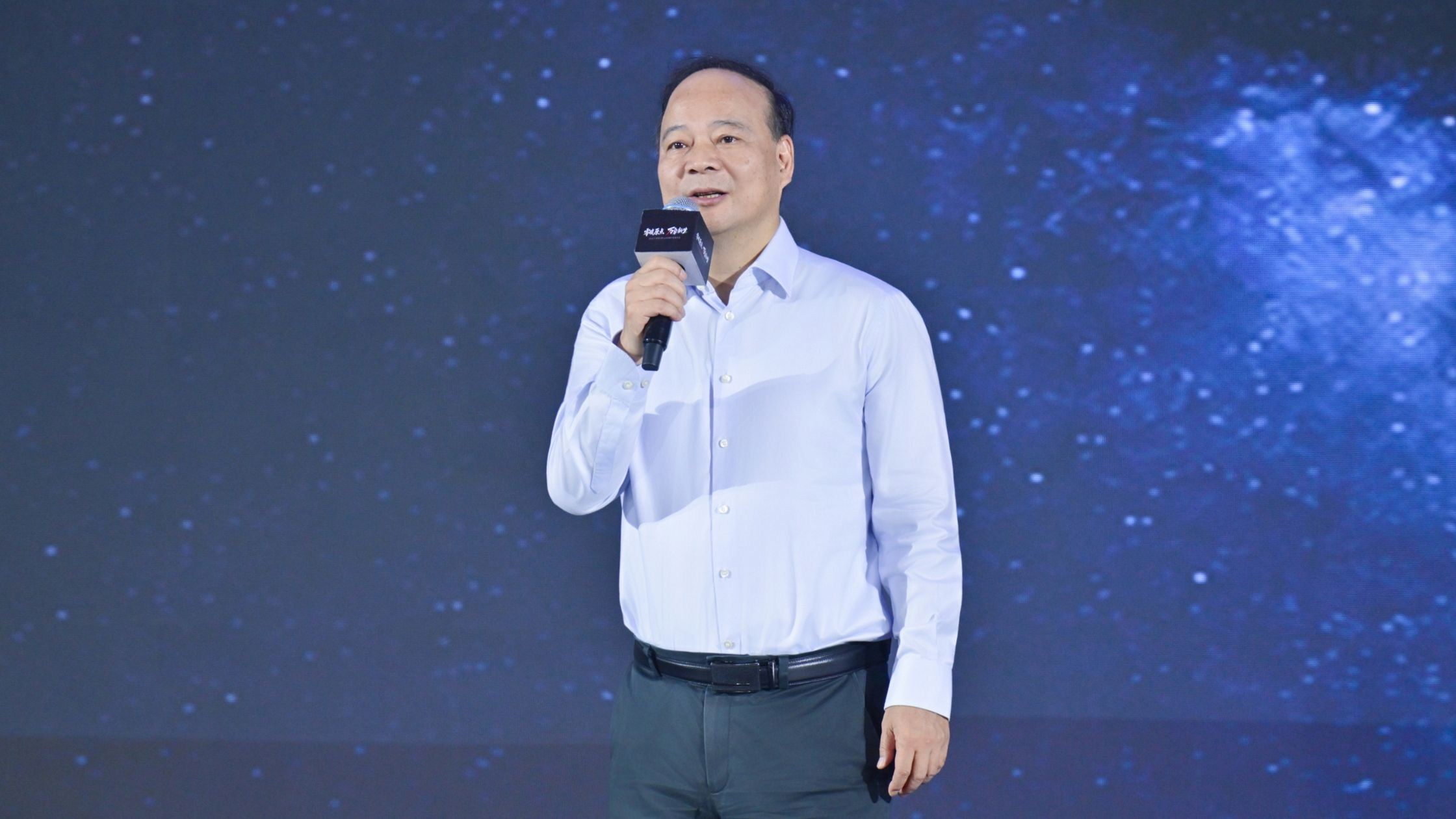
“Before contributing to global carbon rules and standards, CATL must first prove what is possible through our own industrial practice,” said Robin Zeng, Chairman and CEO of CATL. He added that zero-carbon batteries would become a necessity as global efforts toward net-zero emissions accelerate.
CATL said it has integrated carbon reduction measures across manufacturing processes, equipment optimization, battery design, renewable energy procurement, raw-material sourcing and recycling.
The company developed its CATL Carbon Chain Management System (CCMS) in 2022 to monitor and calculate emissions across its manufacturing plants and production lines. The system now covers carbon data from battery production operations and core upstream suppliers, with more than 1,000 product and raw-material models developed.
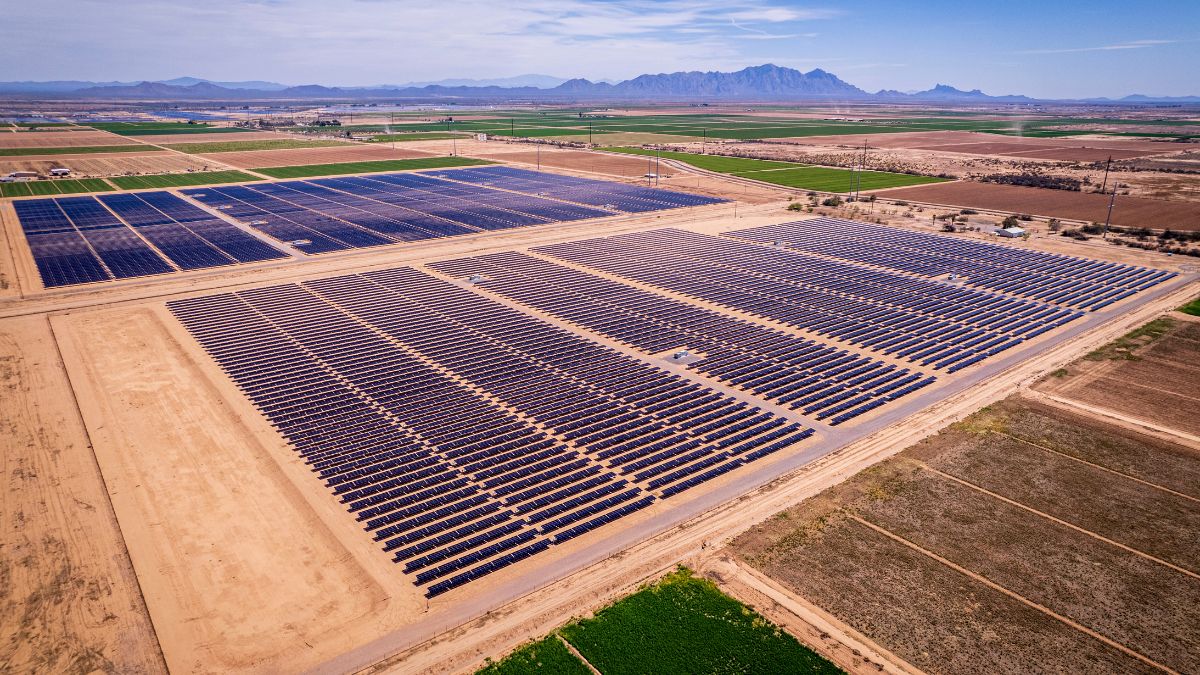
In 2025, zero-carbon electricity accounted for 100% of electricity consumption across CATL’s core operations. The company has cumulatively consumed more than 18 billion kWh of zero-carbon electricity since 2023.
CATL also reported a 28% reduction in energy consumption per unit of product at its battery manufacturing bases compared with 2022, while carbon emission intensity declined by approximately 77%. Between 2023 and 2025, the company achieved cumulative carbon reductions of more than 10 million tonnes of CO₂ equivalent.
CATL said more than 80% of emissions across the lifecycle of its products originate from the supply chain, with total value-chain emissions exceeding five times those generated by its core operations.
To address these emissions, the company plans to focus on four key areas: material and process innovation, manufacturing, green logistics and battery recycling.
CATL aims to achieve 100% green electricity usage across its value chain by 2035. It will also promote zero-carbon logistics solutions and expand its global battery recycling network through Brunp Recycling.
The company has already established baseline carbon data for more than 100 core Tier 1 suppliers and plans to progressively achieve full carbon-data coverage across key upstream links.
CATL will introduce Green Procurement Guidelines requiring new suppliers to provide product carbon footprint data from 2027. Renewable electricity consumption and energy efficiency will also be incorporated into annual supplier evaluations.
Under comparable conditions, suppliers demonstrating stronger low-carbon performance may receive priority in order allocation and could be supported through long-term agreements.
CATL is also launching a Zero-Carbon Supply Chain Empowerment Initiative, with an initial group of 30 core suppliers participating in joint decarbonization efforts.
The company said its broader zero-carbon strategy will support growth across zero-carbon mobility, zero-carbon power and industrial electrification, while contributing to the wider transition toward a clean-energy economy.
Subscribe to get the latest posts sent to your email.