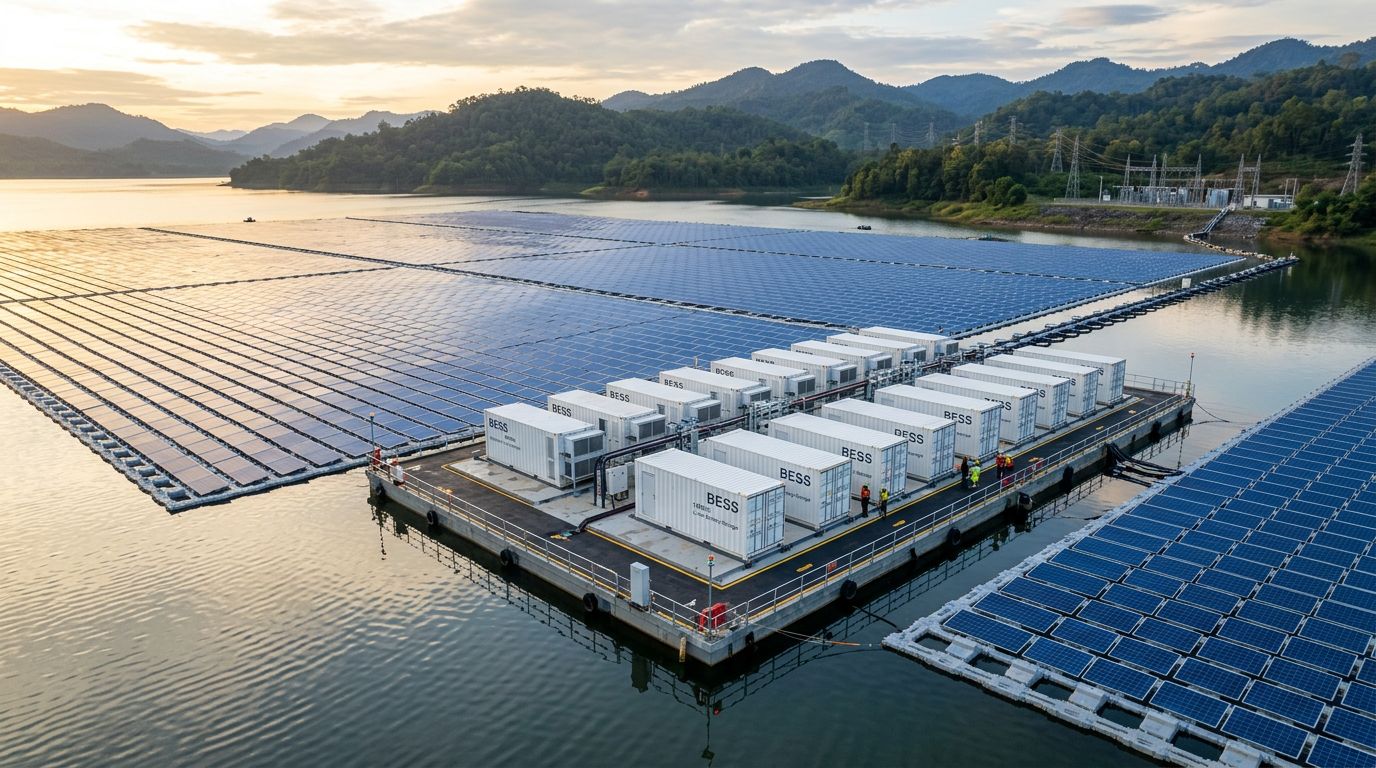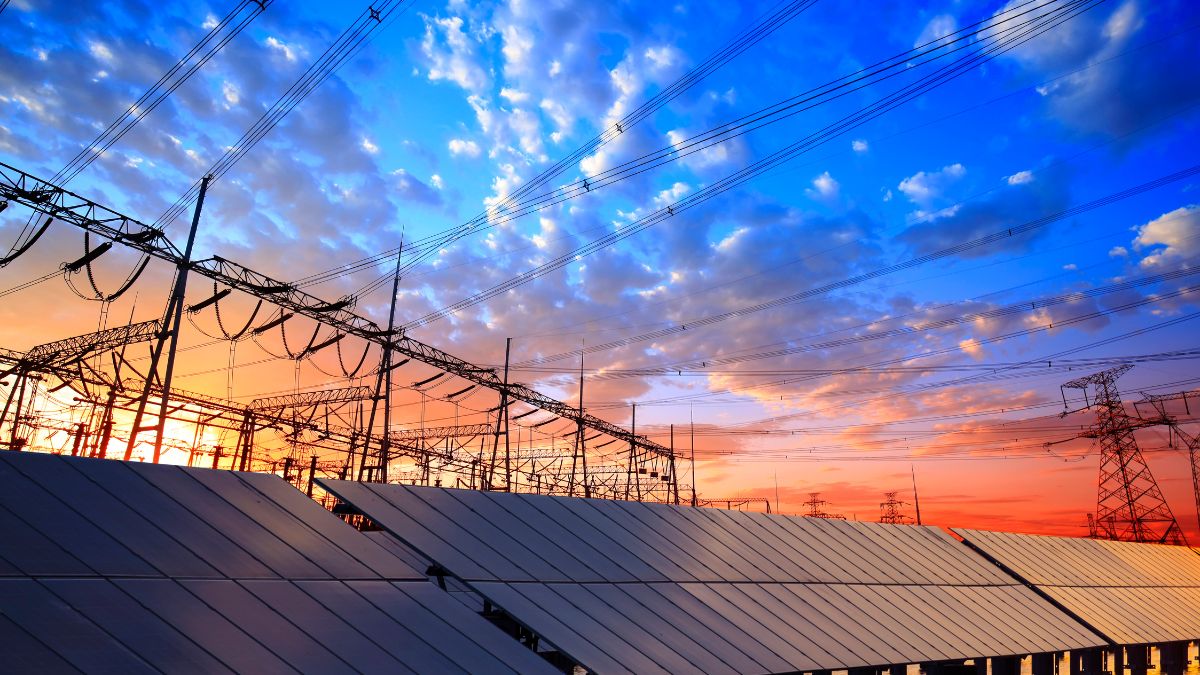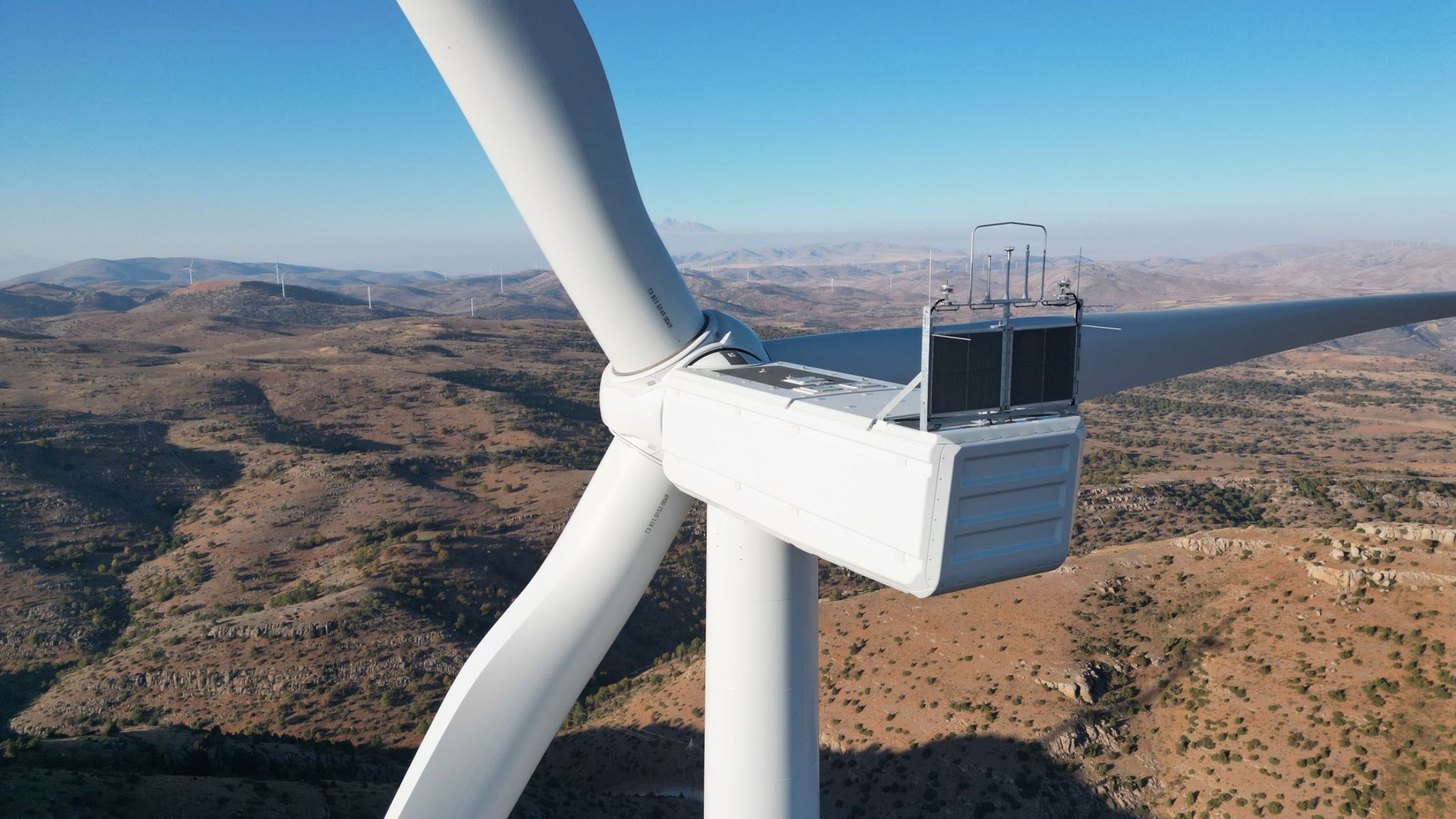
China has proposed imposing export restrictions on 12 key technologies related to solar energy manufacturing, citing national security concerns and strategic interests. The proposal, introduced by China’s commerce and science ministries, is aimed at controlling the transfer of sensitive technologies and maintaining the country’s strong position in the global solar manufacturing supply chain. The move forms part of a broader initiative to tighten export controls on 40 advanced technologies, including those related to artificial intelligence and biomedicine.
The proposed restrictions cover critical engineering technologies used in the solar photovoltaic (PV) supply chain, particularly those associated with polysilicon production. Polysilicon is a key raw material used in manufacturing solar cells and modules. China has established a dominant position across several stages of the global solar manufacturing industry, making many countries dependent on Chinese technology, machinery, and equipment.
The proposed export controls could create challenges for India’s efforts to strengthen domestic solar manufacturing capabilities. Indian solar manufacturers currently rely heavily on Chinese suppliers for machinery, manufacturing equipment, and essential components required to establish and expand large-scale solar production facilities. If the restrictions are implemented, Indian companies could face difficulties accessing advanced manufacturing technologies, potentially delaying the development and commissioning of upcoming solar projects.
Earlier this year, the Indian government eased certain rules governing Chinese investments to facilitate cooperation between Indian and Chinese companies in strategic manufacturing segments. The initiative was intended to encourage joint ventures and technology partnerships in areas such as polysilicon and silicon wafer production. These partnerships were expected to support India’s efforts to develop a more integrated domestic solar manufacturing ecosystem and reduce dependence on imported materials and equipment.
However, China’s proposed export restrictions could create uncertainty for these planned collaborations. Restrictions on technology transfers may limit the ability of Indian manufacturers to acquire specialised production knowledge and establish advanced manufacturing facilities within the country.
The proposal could also affect India’s long-term competitiveness in next-generation solar technologies. Indian manufacturers are currently expanding their capabilities in established technologies such as tunnel oxide passivated contact (TOPCon) and passivated emitter and rear cell (PERC) solar cells. Meanwhile, emerging technologies, including perovskite and tandem solar cells, are attracting growing global attention because of their potential to improve solar conversion efficiency.
If China restricts the transfer of technologies associated with these advanced solar cells, Indian manufacturers could face additional barriers to adopting next-generation production methods. This may widen the technological gap between Indian and Chinese manufacturers.
The proposed restrictions highlight the challenges India faces in building a self-reliant solar manufacturing industry. Strengthening domestic research, developing alternative technology partnerships, and investing in advanced manufacturing capabilities could become increasingly important for India’s long-term solar sector growth.
Subscribe to get the latest posts sent to your email.