China vowed on Friday to protect the rights and interests of Chinese companies after the U.S. unleashed on Thursday a new sanctions package on Chinese entities for importing crude oil from Iran.
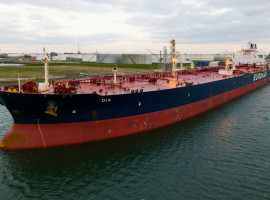
The U.S. Treasury on Thursday blacklisted around 100 individuals, vessels, and companies—including China’s Shandong Jincheng Petrochemical Group, a Shandong teapot refinery accused of buying millions of barrels of Iranian crude since 2023. Also sanctioned were the Rizhao Shihua Crude Oil Terminal at Lanshan Port, accused of handling Iran’s “shadow fleet” tankers—like the Kongm, Big Mag, and Voy—that quietly move sanctioned barrels across Asia.
In response to a question from Bloomberg at Friday’s regular press conference, China’s Foreign Ministry spokesperson Guo Jiakun said that “China will do what is necessary to ensure its energy security and safeguard the lawful rights and interests of Chinese companies and citizens.”
“China opposes unilateral illicit sanctions that have no basis in international law or authorization of the UN Security Council. We urge the U.S. to abandon the wrong practice of arbitrarily resorting to sanctions,” the spokesperson said.
“Countries’ normal cooperation with Iran within the framework of international law is legitimate and justified,” the official added.
Thursday’s sanctions were the fourth U.S. round this year targeting China-based buyers of Iranian oil, with Treasury Secretary Scott Bessent vowing to degrade “Iran’s cash flow by dismantling key elements of its export machine.”
UAE-based and Hong Kong-based tanker operators and a number of shell companies in various jurisdictions were also sanctioned.
The sanctions would even impact Sinopec, the Chinese refining giant, as they designate the Rizhao Shihua Crude Oil Terminal Co. Ltd, analysts and industry executives told Reuters.
The terminal is half-owned by a logistics unit of Sinopec’s and handles about a fifth of the refining giant’s crude oil imports, according to Reuters’ sources.
By Charles Kennedy for Oilprice.com
More Top Reads From Oilprice.com:
- Guyana Gains French Support Amid U.S. Pressure on Venezuela
- No Exit from Urals: Turkey’s Refineries Still Locked into Russian Supply
- Why Luxembourg is Betting on Bitcoin for Long-Term Growth