By
17 min ago 3 min read
Investing in greater carbon dioxide (CO2) storage capacity could be one of the most effective ways for food and beverage manufacturers to protect themselves against supply disruptions and market volatility.
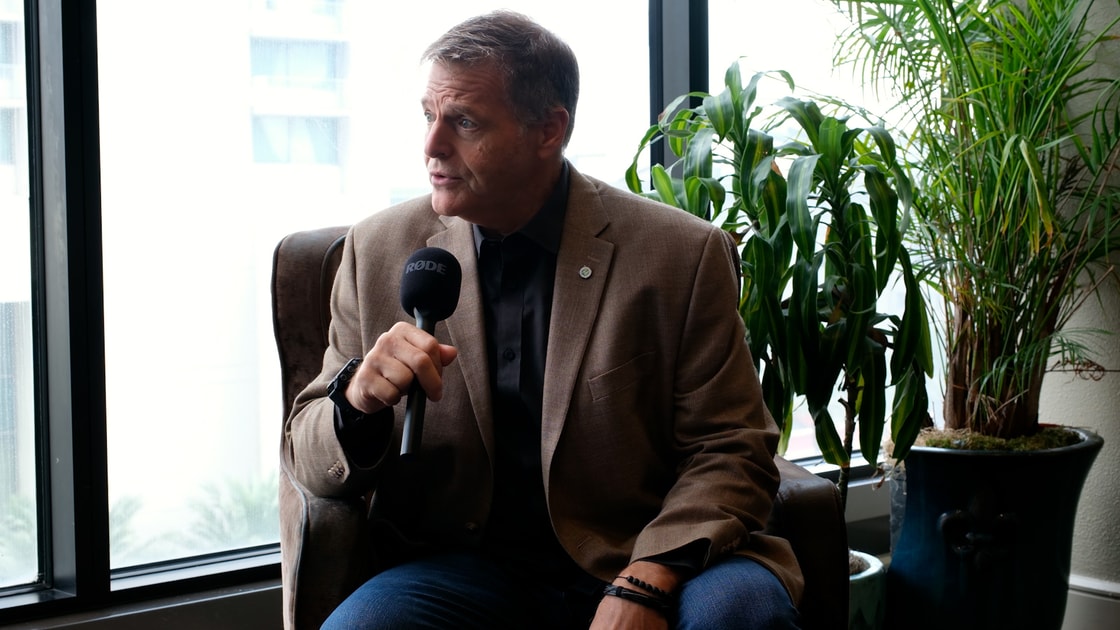
That was the message from Brett Paulsen, Commercial Product Manager at CO2 and dry ice equipment solutions specialist TOMCO Systems, during a recent gasworld webinar, where he urged end users to view additional storage as a safeguard against upstream supply shocks.
“Simply the best reliability you can have is more storage…If you have more days of supply on hand, the hiccup upstream from your gas supplier stops it from being [an] emergency,” he explained.
Paulsen has noticed a recent US market trend of large food and beverage end users increasing their on-site CO2 storage capacity.
Across the US, the food and beverage industry relies on industrial gases and CO2 throughout manufacturing, preservation, transport, and supply processes, making reliable access to supply critical.
Another option for increasing CO2 supply reliability is owning the means of CO2 production, which also requires companies to have storage capabilities to maintain a reliable supply.
“If you are an end user and you own your own tank, you can shop your supply… You’re not locked into a single supplier,” he adds.
Owning CO2 storage means end users are not tied supplier-owned tanks or single-source supply arrangements, providing more options in a tight market.
Ultimately, Paulsen’s call to action for food and beverage end users is to increase storage capacity and invest in their own CO2 storage tanks to mitigate supply insecurity.
However, the need for additional storage is driven by structural vulnerabilities within the CO2 supply chain.
Managing vulnerability
Supply shortages emerge because CO2 is often produced as a by-product of other industrial processes, such as ammonia and fertiliser production.
This leaves the food and beverage market, and particularly end users, vulnerable to seasonal shortages, unexpected disruptions, and market shocks.
Andy Castiglione, President of California-based distributor WestAir Gases & Equipment, echoed Paulsen’s sentiments on the gasworld webinar.
“For us we put in four [tanks] at a facility that uses a lot of CO2 and has a lot of customers that require CO2 in the local area,” he noted.
“That’s something that we can control…Have extra drivers, have extra transport, have extra storage.”
Upstream, Paulsen explained that CO2 liquefaction plants are often running at 90% to 100% capacity.
This means decisions, such as delivery times or which end users receive the CO2 supply, are made at a supplier level.
Paulsen advises end users to consider, “Where do I sit [in the value chain], and do I have a strong relationship and connection with my supplier?”