


Green fuels and feedstocks such as hydrogen, ammonia, sustainable fuels, and carbon sequestration are set to play a transformative role in Asia Pacific’s decarbonization journey, contributing to over 25% of emissions reductions in the region by 2050, according to a new report by DNV. The study highlights that while electrification and the expansion of renewable energy will remain central to achieving net zero, new energy commodities (NECs) will be essential in addressing the decarbonization challenges faced by hard-to-abate sectors such as aviation, maritime, steel, power, industrial chemicals, and cement.
Titled The Role of New Energy Commodities in Decarbonizing Asia Pacific, the report was launched during the Asia Clean Energy Summit (ACES), held alongside Singapore International Energy Week (SIEW) 2025. It builds upon DNV’s Energy Transition Outlook, offering a detailed assessment of how NECs can accelerate the region’s path to net zero while promoting economic growth, industrial development, and energy security. The report emphasizes that the diversification of energy sources through these fuels will enhance resilience against global price shocks and supply disruptions.
DNV’s analysis comes amid uncertainty surrounding hydrogen and its derivatives, as fluctuating market stimulus and investment delays have slowed progress in recent months. The report, however, seeks to reignite confidence in the sector by outlining actionable strategies to unlock opportunities. These include harmonizing international standards and certification frameworks, enabling technical interoperability, and improving market access for emerging NEC producers.
Brice Le Gallo, Vice-President and Regional Director, Asia Pacific, Energy Systems at DNV, stated, “Reaching net zero won’t be possible without NECs, especially in Asia-Pacific where diverse solutions are needed due to the region’s geography. Hydrogen, ammonia, sustainable fuels, and carbon capture are essential for industries that are hard to decarbonize. Without expanding NECs, these sectors risk falling behind. Our study shows that scaling up these technologies will change how energy is traded across the region and will need major investment, strong partnerships and bold innovation. The transformation ahead is huge and both governments and businesses must rise to the challenge.”
The report also highlights geographical imbalances between countries that can produce NECs cost-efficiently and those with concentrated industrial demand. International trade, therefore, will be pivotal in shaping future APAC energy markets. DNV forecasts that as much as 81% of NECs will be traded across borders, necessitating robust mechanisms for cross-border interoperability. By 2050, Japan, South Korea, and Singapore are projected to be among the largest NEC consumers in the region but will rely heavily on imports due to limited domestic production. Meanwhile, Australia is well-positioned to emerge as a leading supplier to meet regional demand, though competition from other emerging producers is expected to intensify.
Thomas Koller, Regional Hydrogen, Ammonia and Sustainable Fuels Lead, Asia Pacific, Energy Systems at DNV, added, “Within the region’s diverse range of countries, six key industries—aviation, maritime, steel, power, industrial chemicals and cement—will depend heavily on NECs to achieve deep decarbonization. From sustainable aviation fuel in the skies to ammonia and methanol powering ships in Singapore, and hydrogen driving green steel, each sector has a clear pathway. Carbon capture and storage (CCS) will also play a critical role, particularly for steel and cement, where direct electrification is not yet feasible.”
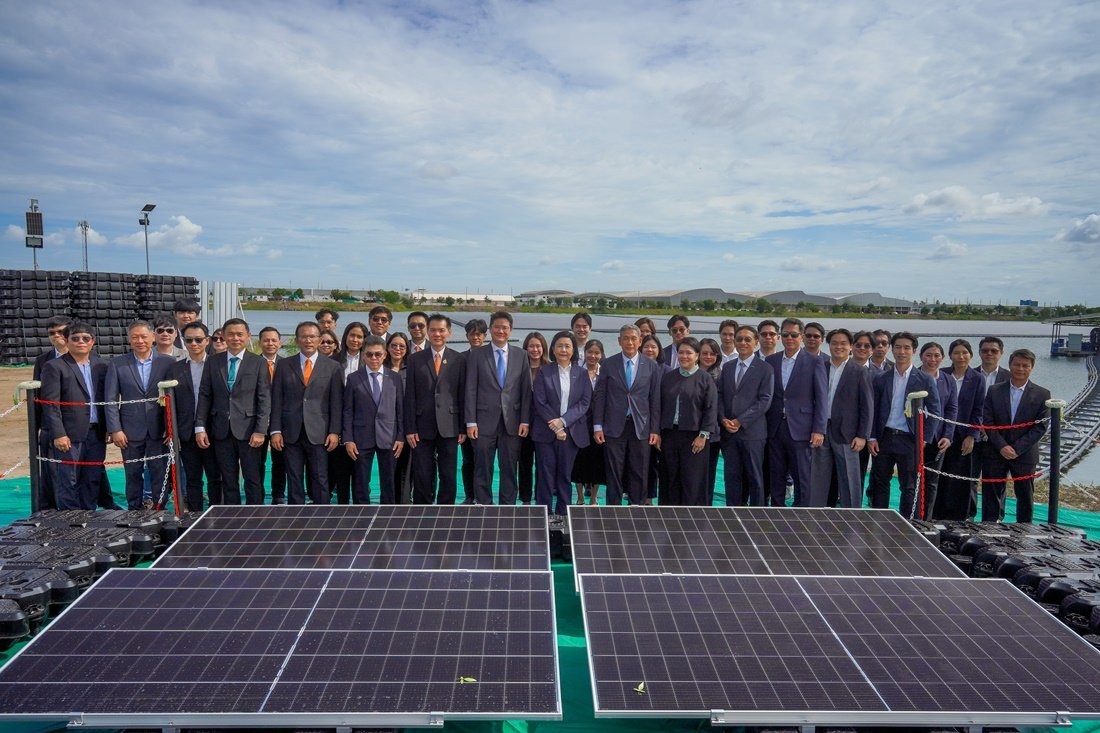
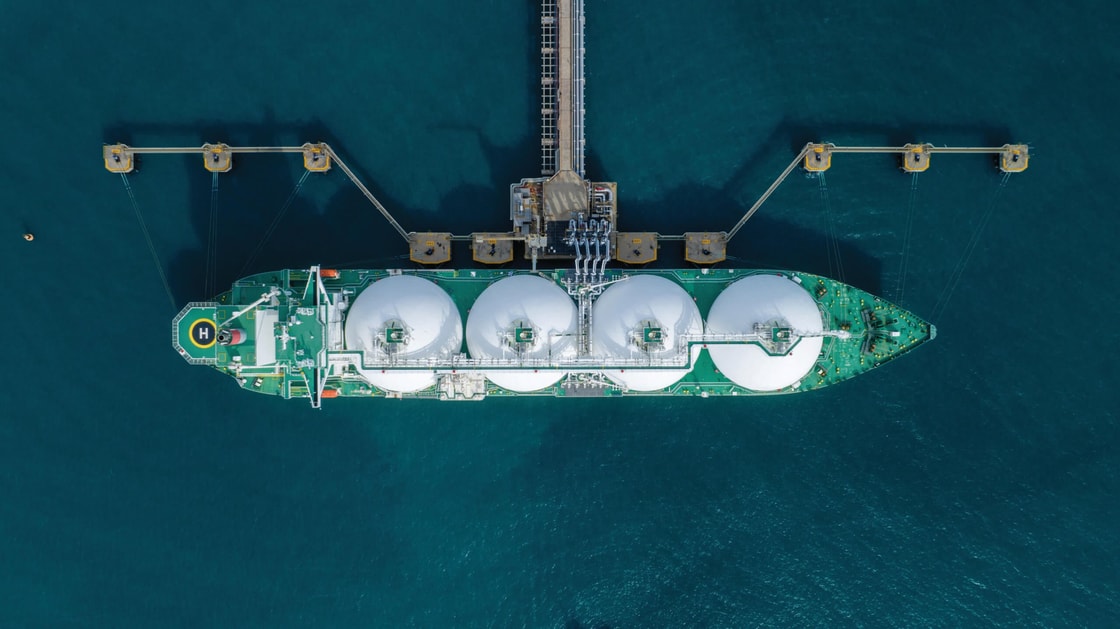
Meeting the region’s growing demand for NECs will require a large-scale build-out of infrastructure. DNV estimates that achieving these goals will necessitate the installation of around 12 billion solar panels and 2.7 million wind turbines by 2050—nearly 240 times the current combined solar and wind capacity of Australia. Additionally, approximately 189 new ports and 1,221 carriers will be required to support production and trade across Asia Pacific.
To accelerate NEC adoption, DNV outlines three key strategic priorities: building resilient regional supply chains through infrastructure investment and harmonized standards; managing biomass resources in aviation and maritime through flexible, balanced approaches; and enabling large-scale carbon capture and storage for hard-to-abate industries by strengthening carbon pricing mechanisms, mandates, and certification systems.
Le Gallo concluded, “The energy transition is already happening, with emissions expected to peak this year. To meet APAC’s climate goals, we need to completely rethink how energy is made, moved and used. Strong policies across all countries are crucial to speed up the use of new energy sources and tackle challenges like high costs, lack of infrastructure and inconsistent standards. Full regional alignment is tough, but practical cooperation between countries can help scale up industrial decarbonization.”
The report reinforces that Asia Pacific’s path to net zero hinges on collaboration, innovation, and the rapid deployment of new energy commodities. By embracing these technologies, the region can not only achieve deep emissions reductions but also drive sustainable economic growth and energy security in the decades ahead.
Subscribe to get the latest posts sent to your email.






)
