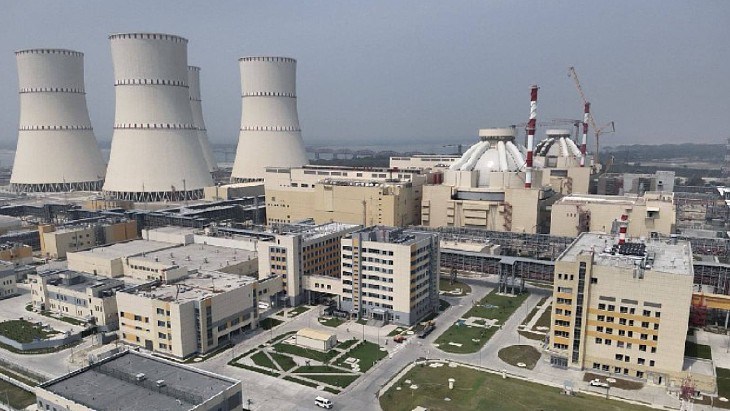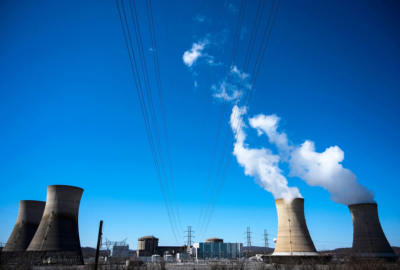
France has plans for six new EPR2 reactors – two each at Penly, Gravelines and Bugey – which will have a total generation capacity of nearly 10 GW. Commissioning is targeted for 2038 to 2044, with a total estimated construction cost of EUR72.8 billion (USD84.4 billion). EDF, which is state-owned, is setting up a fully-owned special purpose vehicle to carry out the project.
European Union (EU) member states are free to determine their own energy mix, but state aid must meet certain rules – including that the “support must be necessary and proportionate and must not adversely affect trading conditions to an extent contrary to the common interest”.
France says the new nuclear plans aim to increase energy security for France and neighbouring countries, as well as contributing to the EU’s decarbonisation targets.
The European Commission (EC) said the opening of an in-depth state aid investigation “is a common step when complex aid packages are involved … it will give France and interested third parties the opportunity to submit comments. It does not prejudge the outcome of the investigation”.
In its announcement the EC said the proposed French government support would be in the form of “a subsidised loan at a preferential rate, covering 60% of the estimated construction costs; a two-way contract for difference running for 40 years to provide stable revenues to the plants; and a risk-sharing mechanism with a specific list of events, in order to provide protection against risks outside EDF’s control, such as unforeseeable natural disasters and changes in national law”.
The EC said its preliminary assessment “found the project necessary and considers that the aid facilitates the development of an economic activity” and it “recognises the potential contribution of the project to security of supply and decarbonisation”.
It said that it nevertheless “considers it necessary to assess whether the measure is fully in line with EU state aid rules” in terms of the appropriateness and proportionality of the aid package, adding that because “there are several aid measures that can limit the risk for the beneficiary, it is important to ensure that aid is limited to what is strictly necessary. In particular, the Commission has doubts on whether the proposed package achieves an appropriate balance between reducing risks to enable the investment and maintaining incentives for efficient behaviour, while avoiding excessive risk transfer to the state”.
The assessment will also look at the potential impact on competition in the market, and whether any impact has been kept to a minimum, as “the Commission has concerns that the measure may consolidate or indirectly reinforce EDF’s market power”.
Background
In February 2022, French President Emmanuel Macron announced that the time was right for a nuclear renaissance in France, saying the operation of all existing reactors should be extended without compromising safety and unveiling the proposed programme for six new EPR2 reactors, with an option for a further eight EPR2 reactors to follow. The first three pairs of EPR2 reactors are proposed to be built, in order, at the Penly, Gravelines and Bugey sites. Construction is expected to start in 2027.
The EPR2 reactor is a pressurised water reactor project developed by EDF and Framatome. It meets the general safety objectives of the third generation of reactors. Its aim is to incorporate design, construction and commissioning experience feedback from the EPR reactor, as well as operating experience from the nuclear reactors currently in service.