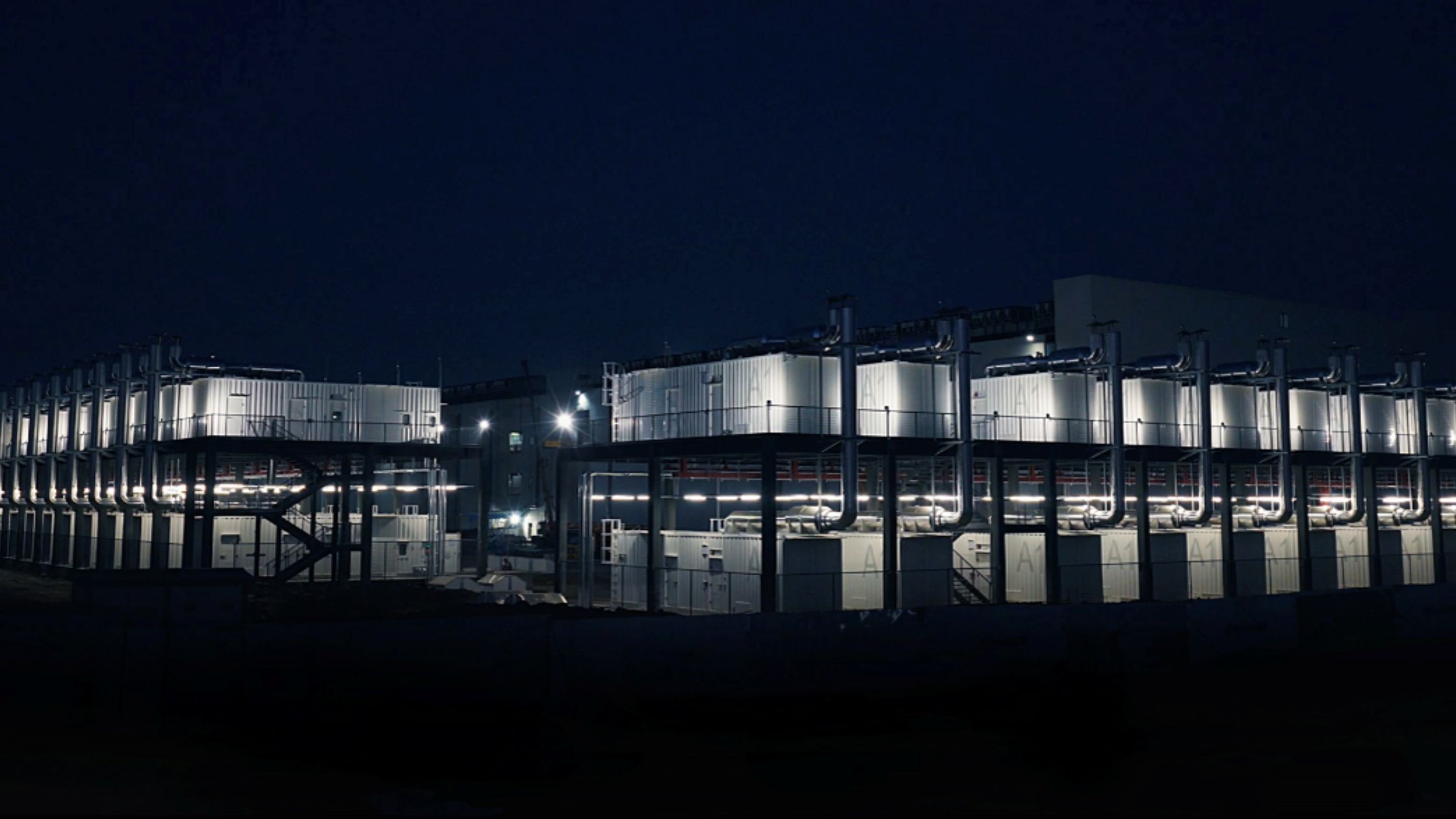
Envision has commissioned the Envision Galaxy Campus in Ulanqab, Inner Mongolia, marking the launch of a next-generation artificial intelligence (AI) infrastructure campus powered directly by renewable energy. The facility is designed to support large-scale AI deployment while addressing the growing energy and infrastructure demands of advanced computing.
The campus is planned to scale beyond 2 GW of capacity and features a 120,000-square-metre AI supercomputing facility, equivalent to around 20 standard football pitches. According to the company, the facility is designed to deliver industry-leading token-generation capacity within a single structure by integrating renewable electricity with Envision’s proprietary AI Power System.
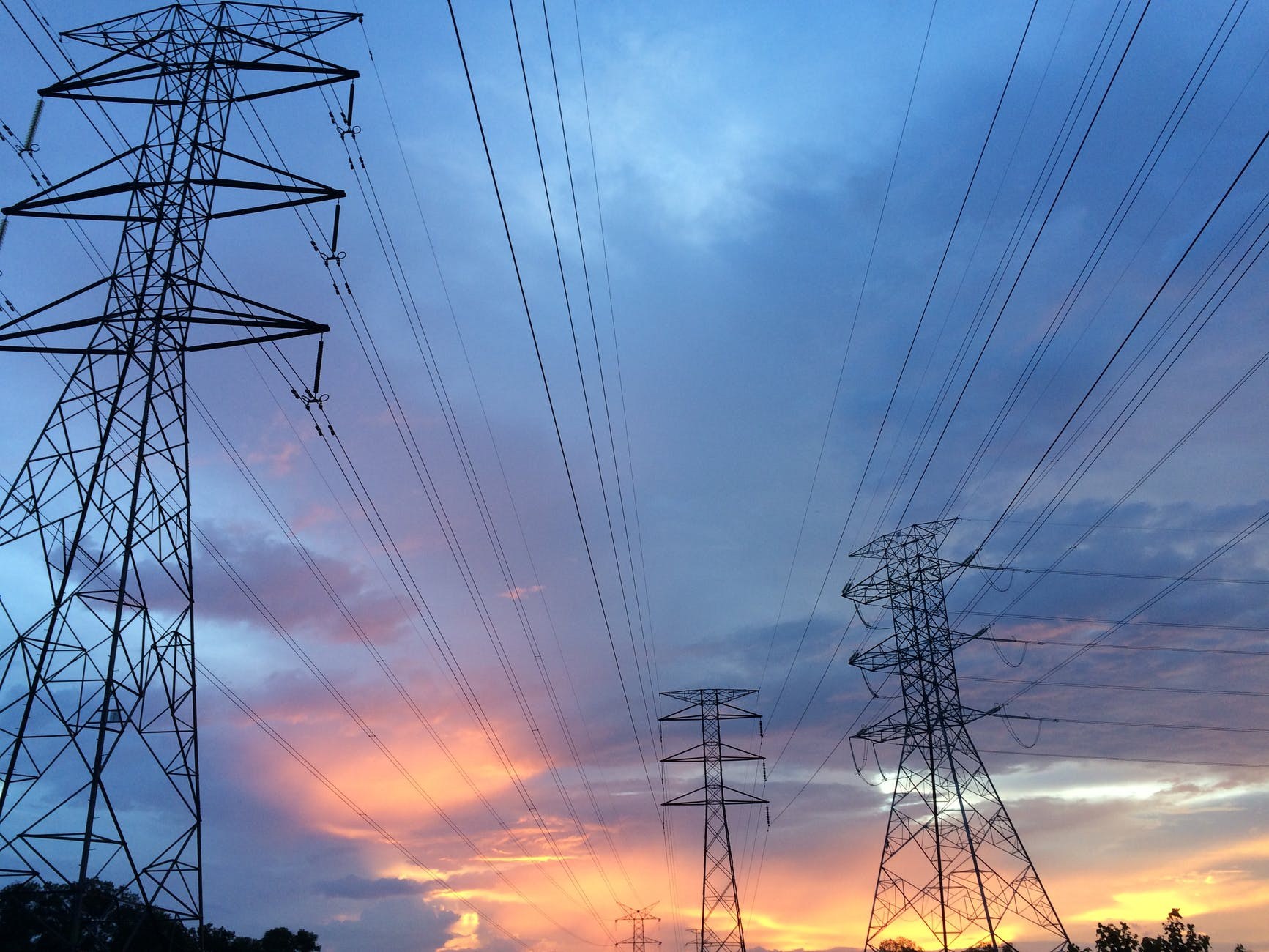
Once fully operational, the AI campus is expected to deliver one million PFLOPS of computing power and support up to one million AI accelerators, establishing a new benchmark for compute density in AI infrastructure. The integrated AI Power System combines renewable energy generation, dedicated transmission infrastructure and large-scale energy storage to provide stable, low-cost green electricity for high-performance computing workloads.
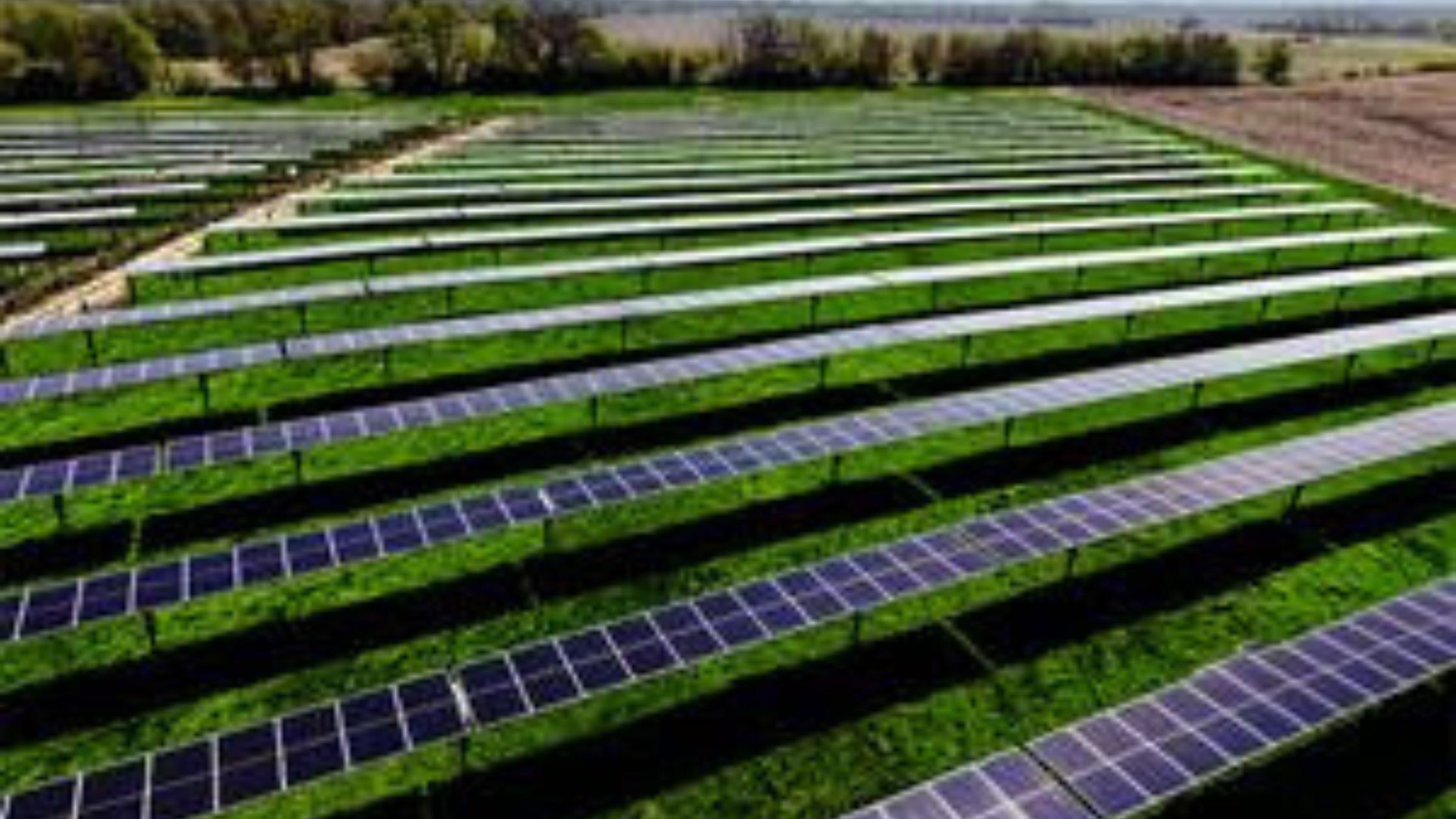
Envision said the Ulanqab location also offers strategic advantages due to its established digital infrastructure and high-speed connectivity, enabling low-latency networking for AI clusters comprising hundreds of thousands of accelerators. The region’s abundant wind and solar resources further support the campus’s renewable energy-based operating model.
According to the company, the Envision Galaxy Campus represents a new approach to gigawatt-scale AI infrastructure by combining clean energy generation, intelligent power management and advanced networking within a single integrated ecosystem.
The project also serves as the first flagship development under Mission Gobi, Envision’s global initiative unveiled at VivaTech 2026 in Paris. Through the initiative, the company aims to develop 5 GW of green AI computing capacity across desert and arid regions worldwide by 2030, supporting the next generation of AI infrastructure powered by renewable energy.
Subscribe to get the latest posts sent to your email.