The United Nations Economic and Social Commission for Asia and the Pacific (ESCAP) has launched a new regional programme to support a just and inclusive energy transition in Southeast Asia. Announced on February 25, the initiative aims to help countries shift toward cleaner energy systems while maintaining economic growth, protecting jobs, and promoting social inclusion.
The programme, called Energy Transition for Green Growth and Prosperity (ETGGP), will run for three years starting in 2026. According to ESCAP, the initiative will provide tailored support to countries based on their national priorities. The goal is to help governments reduce greenhouse gas emissions without slowing development or weakening economic resilience.
The launch comes at a time when the Asia-Pacific region faces rising climate and energy challenges. The region accounts for nearly 60 percent of global greenhouse gas emissions and produces around 80 percent of the world’s coal supply. At the same time, energy demand is expected to increase significantly by the middle of the century due to population growth, urbanisation, and industrial expansion.
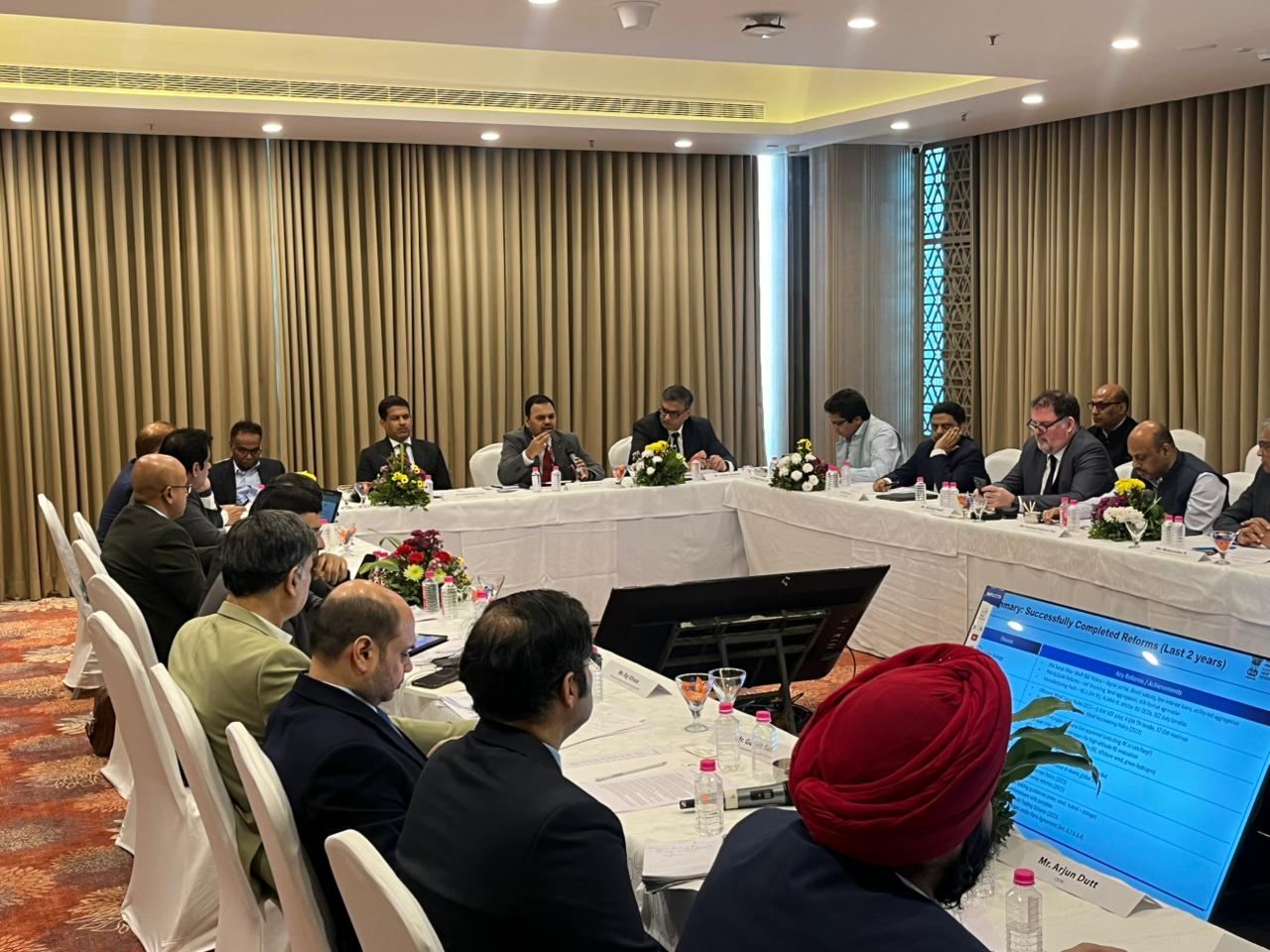
Speaking at the launch, Armida Salsiah Alisjahbana, United Nations Under-Secretary-General and Executive Secretary of ESCAP, said countries across the region are trying to cut emissions while also safeguarding economic stability, employment, and social welfare. She noted that governments are dealing with several constraints, including aging energy infrastructure, limited public finances, regulatory barriers, and gaps in access to affordable financing.
To address these issues, the ETGGP initiative will combine policy research, institutional support, regional cooperation, and green finance strategies. ESCAP plans to work closely with national ministries responsible for energy, finance, transport, environment, and social development. The idea is to ensure that energy transition policies are linked with broader goals such as green industrial development and job creation.
The programme is supported by more than 4 million US dollars in initial funding from four philanthropic foundations: ClimateWorks Foundation, Sequoia Climate Foundation, Children’s Investment Fund Foundation, and Tara Climate Foundation. This financial backing will help ESCAP deliver technical assistance and policy guidance across participating countries.
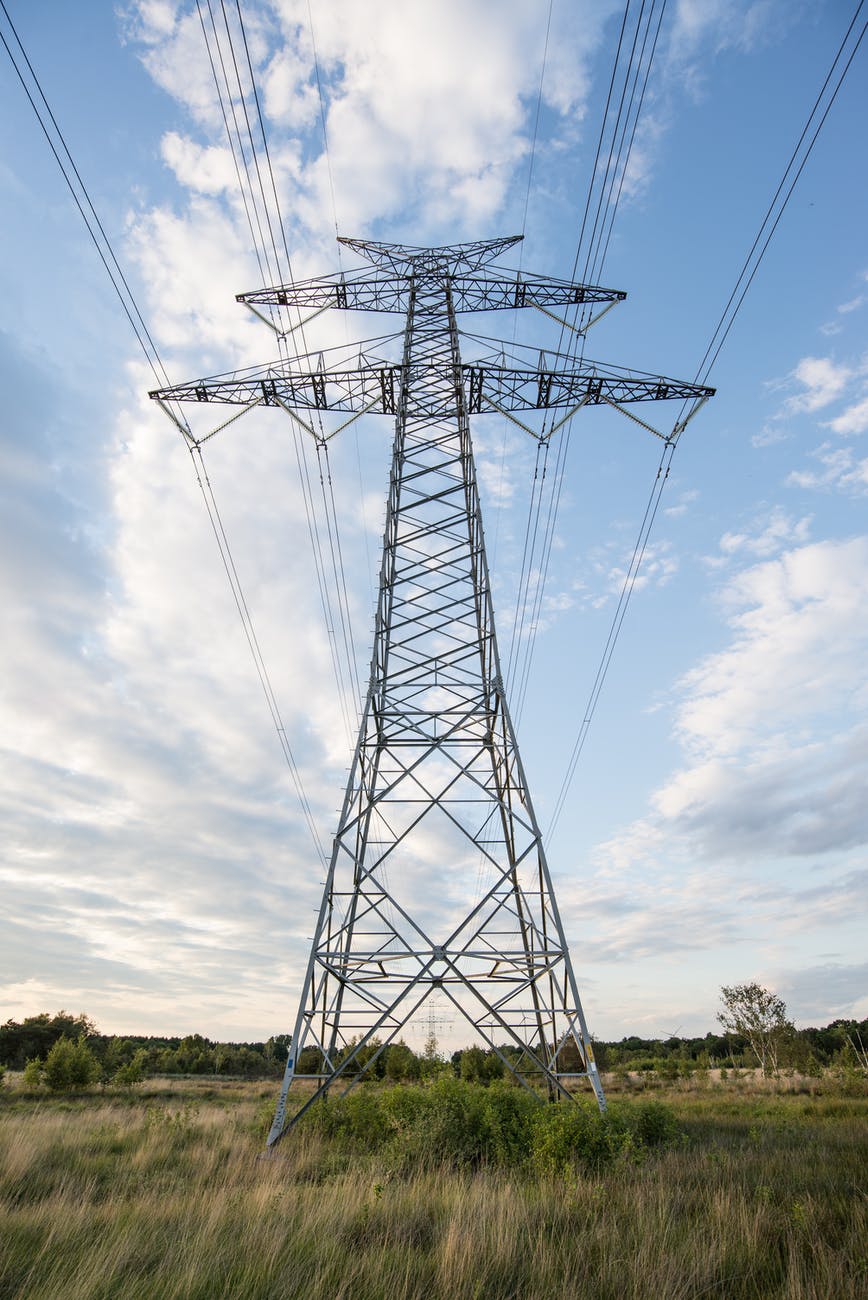
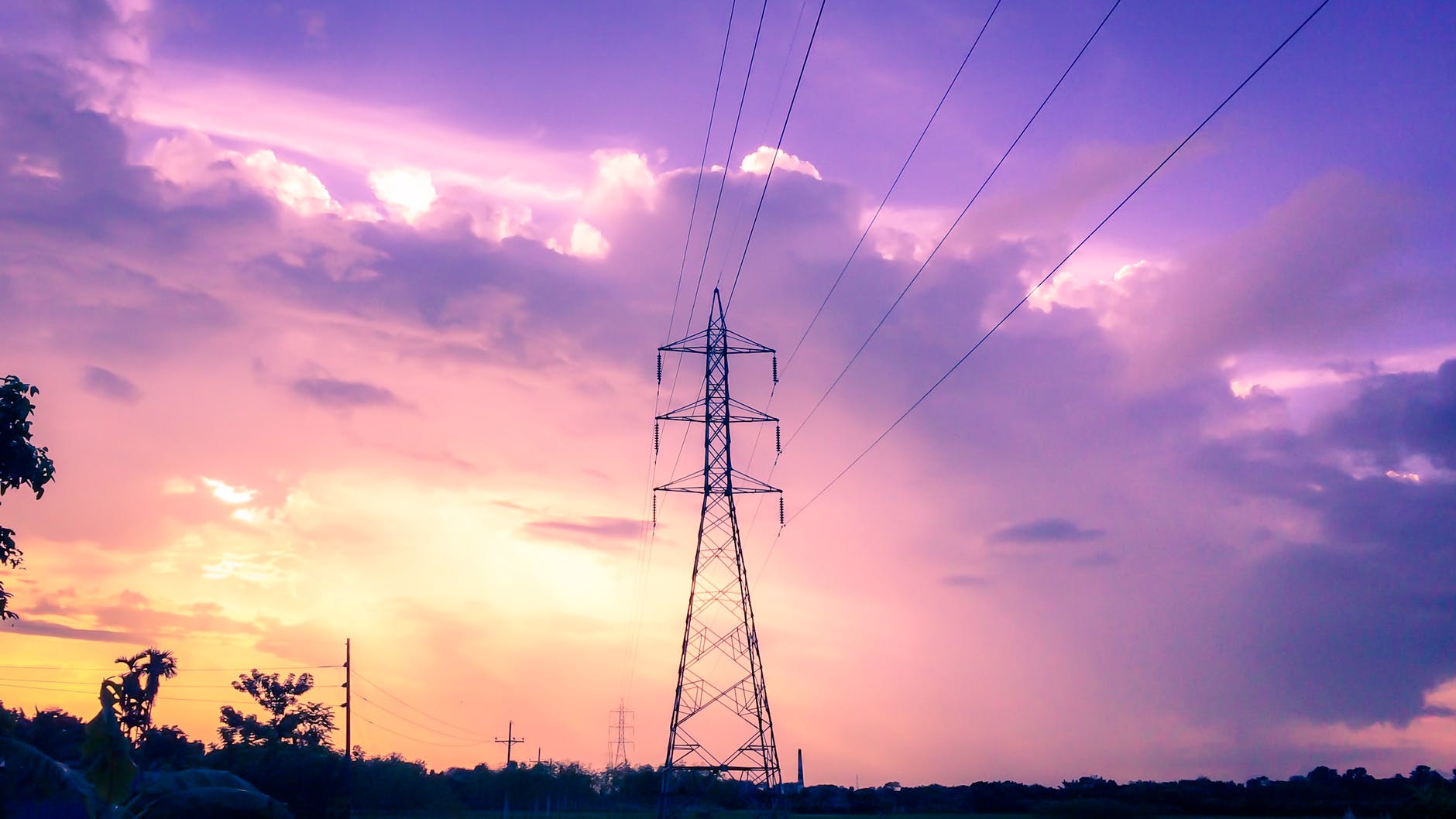
The ETGGP programme is built around three main pillars. The first focuses on strengthening analytical tools and long-term planning to support sustainable energy and economic strategies. The second pillar promotes regional power connectivity through the development of green power corridors, which can help countries share clean electricity across borders. The third pillar aims to mobilise green finance by building strong project pipelines and improving access to public and private capital.
ESCAP also plans to bring together development partners, financial institutions, and regional experts to support policy solutions and improve data for decision-making. By encouraging cooperation and sharing lessons among countries, the initiative is expected to improve policy coordination and increase investment readiness.
Through this new regional effort, ESCAP hopes to accelerate clean energy transitions in Southeast Asia while ensuring that economic growth and social progress remain at the centre of the transition process.
Subscribe to get the latest posts sent to your email.