The European Commission announced a new call for proposals under the Innovation Fund, aiming to accelerate the development of low-carbon technologies across various sectors. With a substantial budget of €2.4 billion, this initiative is designed to boost Europe’s competitiveness and strengthen the industrial manufacturing capacity in energy-intensive industries, renewable energy, energy storage, and carbon capture, use, and storage (CCUS).
The Innovation Fund’s goal is to drive Europe’s energy transition and decarbonization efforts by providing crucial investments to scale up innovative technologies that can significantly reduce greenhouse gas emissions. The call will support small, medium, and large-scale projects, as well as clean technology manufacturing and pilot projects focusing on validating, testing, and optimizing deep decarbonization solutions across all eligible sectors.
Five Key European Projects to Support Innovation Fund Applications
In addition to the call, five European projects will assist companies in applying for the Innovation Fund. These include the 2DPLOY, DIAMONDS4IF, H2IF, LEADS, and REALIZE projects. These multidisciplinary teams, funded under Horizon 2020/Europe initiatives, will help prepare competitive proposals that meet the Innovation Fund’s stringent criteria, which include innovation degree, greenhouse gas emission avoidance potential, project maturity, replicability, and cost efficiency.
Key Project Coordinators Weigh In on the Fund’s Potential
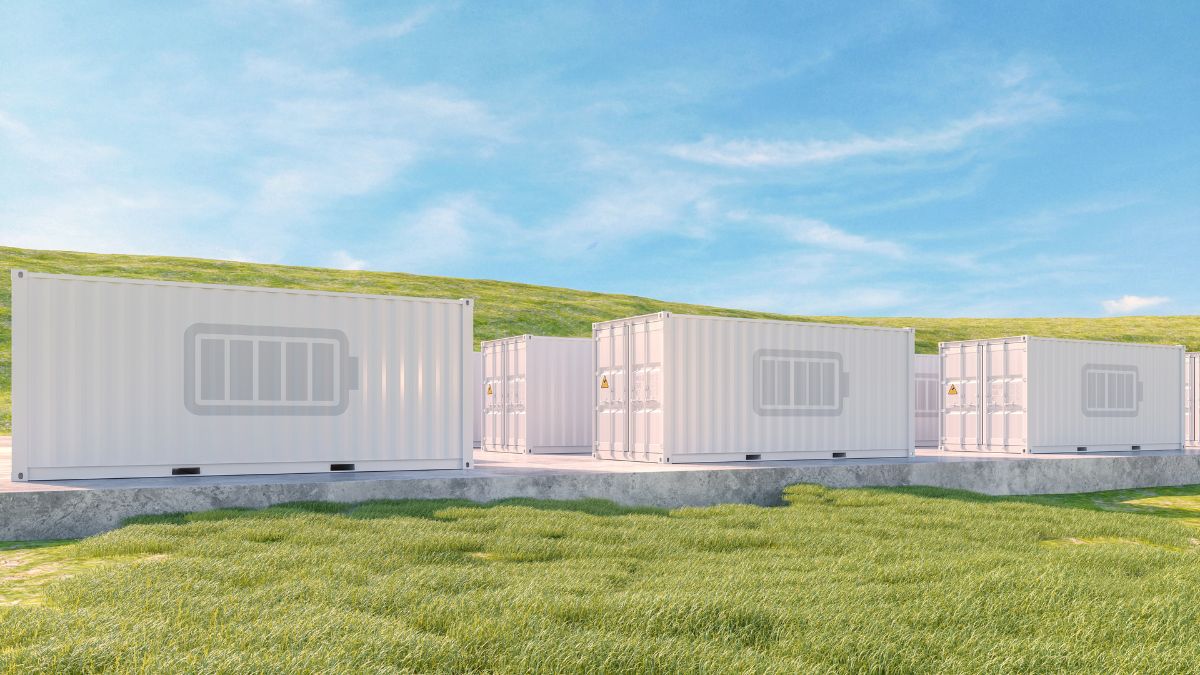
Federico Spadaro, Project Coordinator of H2IF (CLERENS), highlighted the success of previous Energy Storage and Hydrogen projects funded in the 2023 Call, noting that the additional €1 billion allocated to battery technology in the new funding round would significantly boost the sector’s contribution to Europe’s net-zero targets.
Kristian Leonard Aas, Project Coordinator of 2DPLOY (SINTEF), emphasized the complexity of the Innovation Fund application process, stating that their goal is to provide best practices and guidance specifically for low-carbon technologies in energy-intensive industries. Aas encouraged potential applicants to thoroughly review the European Commission’s detailed information on the fund.
David García Arrate, Project Coordinator of REALIZE (Euro-Funding), stressed the importance of supporting projects transitioning from Horizon Europe to the Innovation Fund. REALIZE aims to assist renewable energy innovators in navigating the complexities of the application process and maximizing their chances of securing funding.
Andrea Rausa, Project Coordinator of LEADS (PNO), discussed the crucial role of CCUS projects in the Innovation Fund, noting that 16 projects have already been funded, representing a significant CO2 storage capacity. Rausa advised future CCUS applicants to strike the right balance between innovation and project maturity in their applications.
Patrizia Bolognesi, Project Coordinator of DIAMONDS4IF (PNO Germany), pointed out that the Innovation Fund application process has become more competitive, with a stronger focus on criteria such as innovation, CO2 savings, and scalability. Bolognesi emphasized that DIAMONDS4IF is focused on turning Horizon 2020 research into viable business cases, setting the stage for the next generation of renewable energy projects.
The Path Forward for Low-Carbon Innovation in Europe
The €2.4 billion Innovation Fund represents a vital step forward in supporting Europe’s transition to a low-carbon economy. By providing targeted financial support for pioneering technologies, the fund aims to unlock the potential for net-zero solutions that will reshape the future of energy, industry, and climate action in Europe.