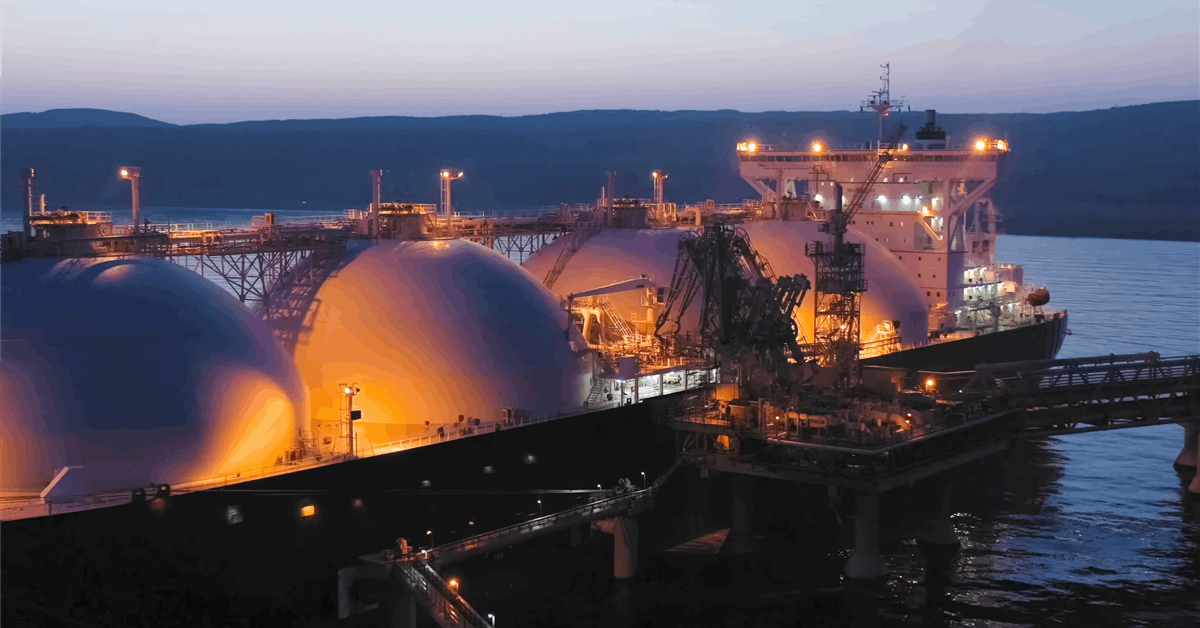
The options market of European natural gas futures of the past week suggests that traders fear the benchmark gas prices could more than double in the coming winter as the protracted supply disruption from the Middle East threatens Europe’s gas refill season.
Some traders have traded options contracts for the October-March period at strips of up to $117 (100 euros) per megawatt-hour (MWh), according to data compiled by Bloomberg.
That’s more than double the current price of about $53 (45 euros) per MWh, pointing to growing concerns among traders that prices would spike in the winter with the lack of Qatari and UAE supply of LNG, which is trapped behind and unable to leave the Strait of Hormuz.
Moreover, Qatar’s key liquefaction facilities at Ras Laffan were hit by Iranian missile strikes in March. The strikes and damage have forced Qatar to shut in all LNG production while repairs at the damaged facilities could take up to five years to complete, state firm QatarEnergy has said.
Before the war, the Strait of Hormuz handled about 20% of daily global LNG flows. With these volumes vanished, Asia’s spot LNG prices and Europe’s benchmark natural gas prices have soared. Even if prices have dropped from the highs in March, European prices are still about 40% higher than they were before the conflict in Iran began.
As a result of the slashed LNG supply, and most spot LNG cargoes now heading to Asia instead of Europe — contrary to what was the case before the war – traders have started to hedge against violent price spikes in European gas prices during the 2026/2027 winter, when European gas demand is at its peak.
Europe remains exposed to gas price volatility in the refilling season, which could prove more difficult and much more expensive to complete ahead of the next winter.
By Tsvetana Paraskova for Oilprice.com
More Top Reads From Oilprice.com
- API Confirms Very Large Crude and Oil Product Draws
- $125 Oil Could Tip Global Economy Into Recession
- Australia Plans $7 Billion Fuel Stockpile