As solar energy adoption accelerates globally, understanding the differences between solar panel technologies is crucial for making informed decisions. The three primary types—monocrystalline, polycrystalline, and thin-film—each offer unique advantages and considerations, shaped in part by how they are manufactured.
How These Panels Are Made
Solar panels all work by converting sunlight into electricity, but the manufacturing process differs significantly among the three types:
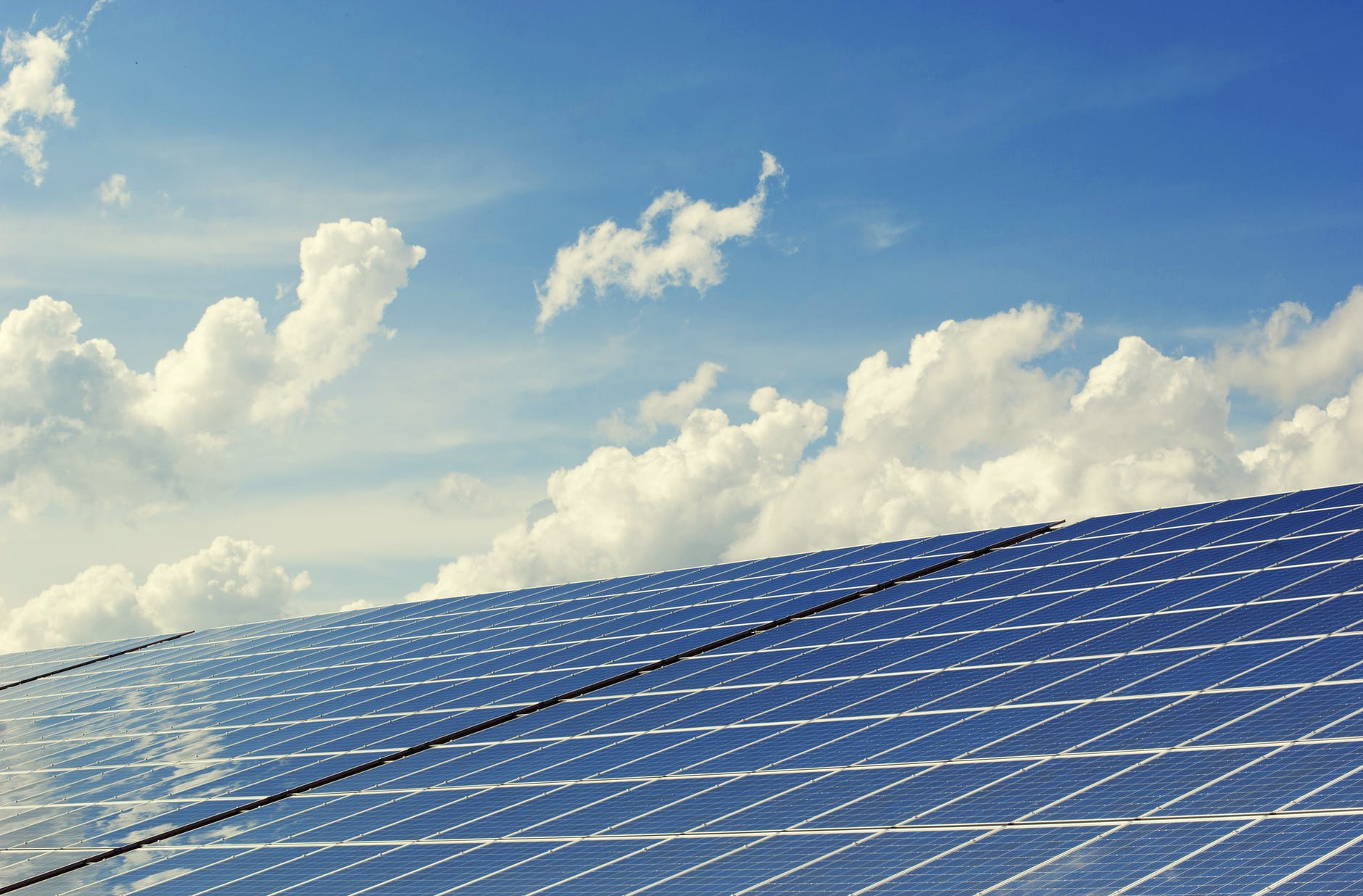
Monocrystalline panels are made by slicing wafers from a single, pure silicon crystal. This process, called the Czochralski method, produces a high-purity material that results in a sleek, black finish and higher efficiency
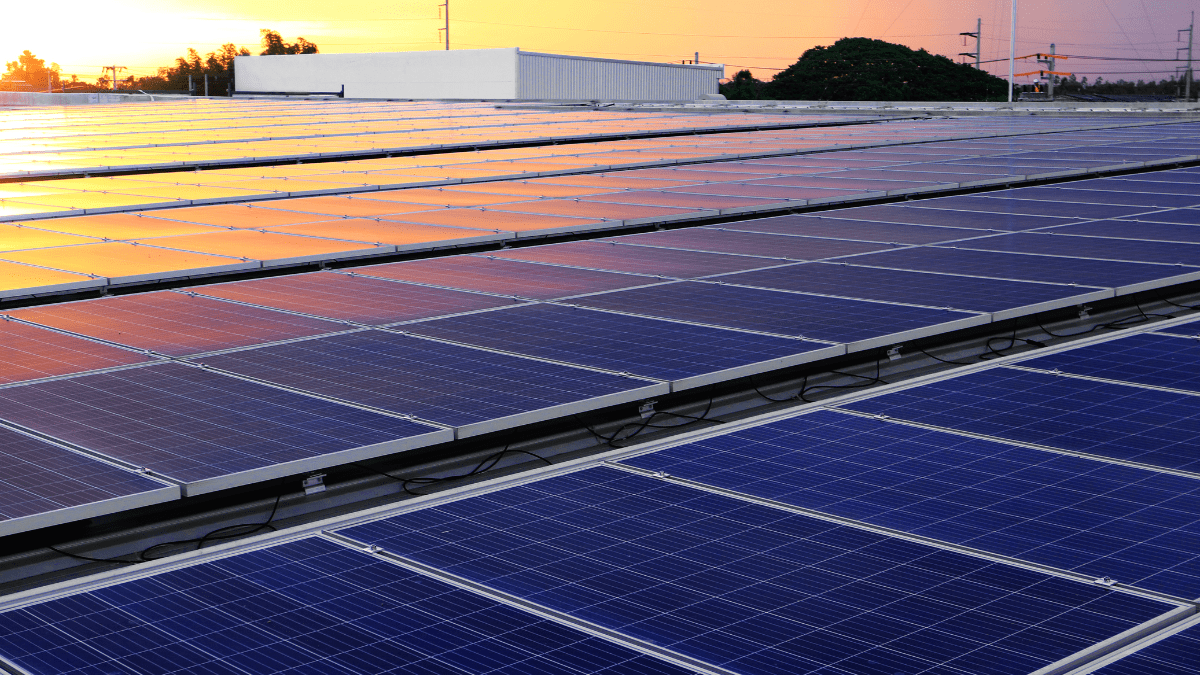
Polycrystalline panels are formed by melting multiple fragments of silicon together into a mold. Once cooled and solidified, the silicon is cut into square wafers. This simpler and less energy-intensive process creates a characteristic blue, speckled look
Thin-film panels are made by depositing ultra-thin layers of photovoltaic material—such as cadmium telluride (CdTe) or amorphous silicon (a-Si)—onto substrates like glass, metal, or plastic. This gives them their lightweight and flexible properties
These foundational differences not only affect how the panels look, but also influence their efficiency, durability, cost, and ideal applications.
Overview: Monocrystalline panels are crafted from a single, continuous crystal structure, resulting in a uniform black appearance. They are renowned for their high efficiency and longevity.
Key Features:
- Efficiency: 19% to 23%
- Lifespan: 25 to 40 years
- Cost: High
- Aesthetics: Uniform black
- Best Suited For: Limited space
Overview: Polycrystalline panels consist of multiple silicon crystals melted together. They offer a balance between performance and affordability.
Key Features:
- Efficiency: 13% to 16%
- Lifespan: 20 to 25 years
- Cost: Moderate
- Aesthetics: Blue speckled
- Best Suited For: Budget installations
Overview: Thin-film panels are made by depositing photovoltaic material onto a substrate. These panels are lightweight, flexible, and suitable for unique applications.
Key Features:
- Efficiency: 10% to 18%
- Lifespan: 10 to 20 years
- Cost: Low
- Flexibility: High
- Best Suited For: Versatile applications
| Feature | Monocrystalline | Polycrystalline | Thin-Film |
| Efficiency | 19–23% | 13–16% | 10–18% |
| Lifespan | 25–40 years | 20–25 years | 10–20 years |
| Cost | High | Moderate | Low |
| Aesthetics | Uniform black | Blue speckled | Varies |
| Space Efficiency | High | Moderate | Low |
| Flexibility | Rigid | Rigid | Flexible |
| Best Use Case | Limited space | Budget installs | Versatile apps |
Selecting the right solar panel technology depends on your unique needs, including space availability, budget, and desired efficiency. Monocrystalline panels offer the highest performance but come at a premium. Polycrystalline is more budget-friendly with reasonable efficiency, while thin-film panels provide flexibility and lightweight options for specialized use cases.