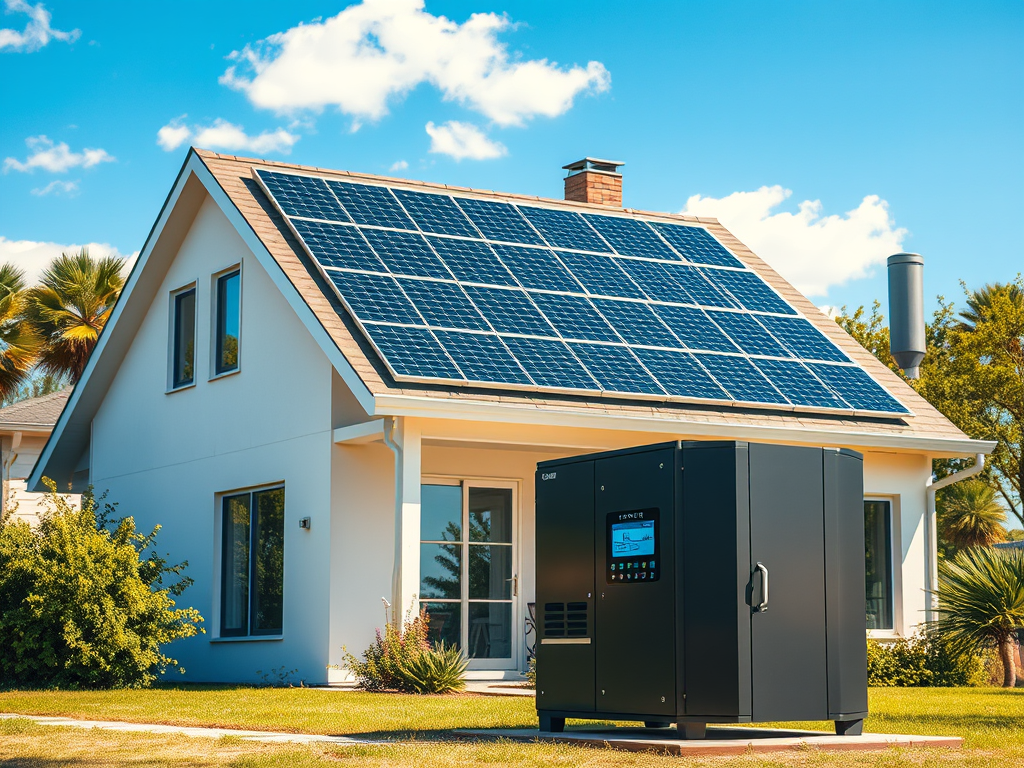
Solar energy is becoming one of the most trusted power sources for homes, but one of its biggest challenges has always been reliability. Since solar panels only generate electricity when the sun is shining, homeowners often face limitations during the night or on cloudy days. This is where solar batteries play a crucial role. By storing excess electricity generated during the day, solar batteries ensure that energy is available whenever it is needed, making the home’s power supply more stable and dependable.
A solar battery works by capturing surplus electricity produced by rooftop solar panels and storing it for later use. During peak sunlight hours, panels often generate more power than a household consumes. Instead of sending this extra electricity back to the grid, the battery stores it. Later, when solar generation drops or stops, the stored energy is used to power the home. This process reduces dependence on the grid and provides a continuous energy supply.
One of the key benefits of solar batteries is backup power during outages. In areas where grid reliability is an issue, power cuts can disrupt daily life and even affect essential appliances. With a solar battery system, homes can maintain electricity during outages, keeping lights, fans, refrigerators, and communication devices running. This is especially valuable in regions with unstable grids or extreme weather conditions.
Another important advantage is energy independence. By storing and using their own solar power, homeowners reduce their reliance on traditional electricity providers. This not only improves reliability but also protects against rising electricity costs. Over time, using stored solar energy instead of grid power can lead to significant savings on utility bills.
Solar batteries also support better energy management. Advanced systems come with smart software that monitors energy usage, solar production, and battery levels in real time. These systems can automatically decide when to store energy and when to use it, optimizing efficiency. For example, the battery may charge during the day and discharge during peak evening hours when electricity demand is higher.
From a technical perspective, most modern solar batteries use lithium-ion technology due to its high efficiency, longer lifespan, and compact size. These batteries can handle multiple charge and discharge cycles with minimal performance loss. They are also designed with safety features such as thermal management and protection circuits to prevent overheating and ensure stable operation.
In addition to reliability, solar batteries contribute to environmental sustainability. By maximizing the use of clean solar energy, they reduce the need for electricity generated from fossil fuels. This helps lower carbon emissions and supports the transition to a greener energy system. Moreover, by reducing strain on the grid during peak demand periods, solar batteries help improve overall grid stability.
Despite their benefits, solar batteries require an initial investment, which may be a concern for some homeowners. However, falling technology costs, government incentives, and long-term savings are making them increasingly affordable. As technology continues to advance, battery efficiency and lifespan are expected to improve further, making them an even more practical solution.
Solar batteries are transforming the way homes use energy by making solar power reliable and available at all times. They provide backup during outages, reduce dependence on the grid, and enhance overall energy efficiency. As more households adopt solar-plus-storage systems, the vision of a stable, clean, and self-sufficient energy future becomes increasingly achievable.
Subscribe to get the latest posts sent to your email.