KPI Green Energy Limited has provided an update on the execution progress of its 2.57 GWp Independent Power Producer (IPP) portfolio, with approximately 1.16 GWp energized and around 1.41 GWp currently under active execution.
The company’s IPP portfolio is backed by long-term Power Purchase Agreements (PPAs) of up to 25 years, predominantly with Gujarat Urja Vikas Nigam Limited (GUVNL). The portfolio includes solar, wind, hybrid renewable energy and standalone battery energy storage projects.
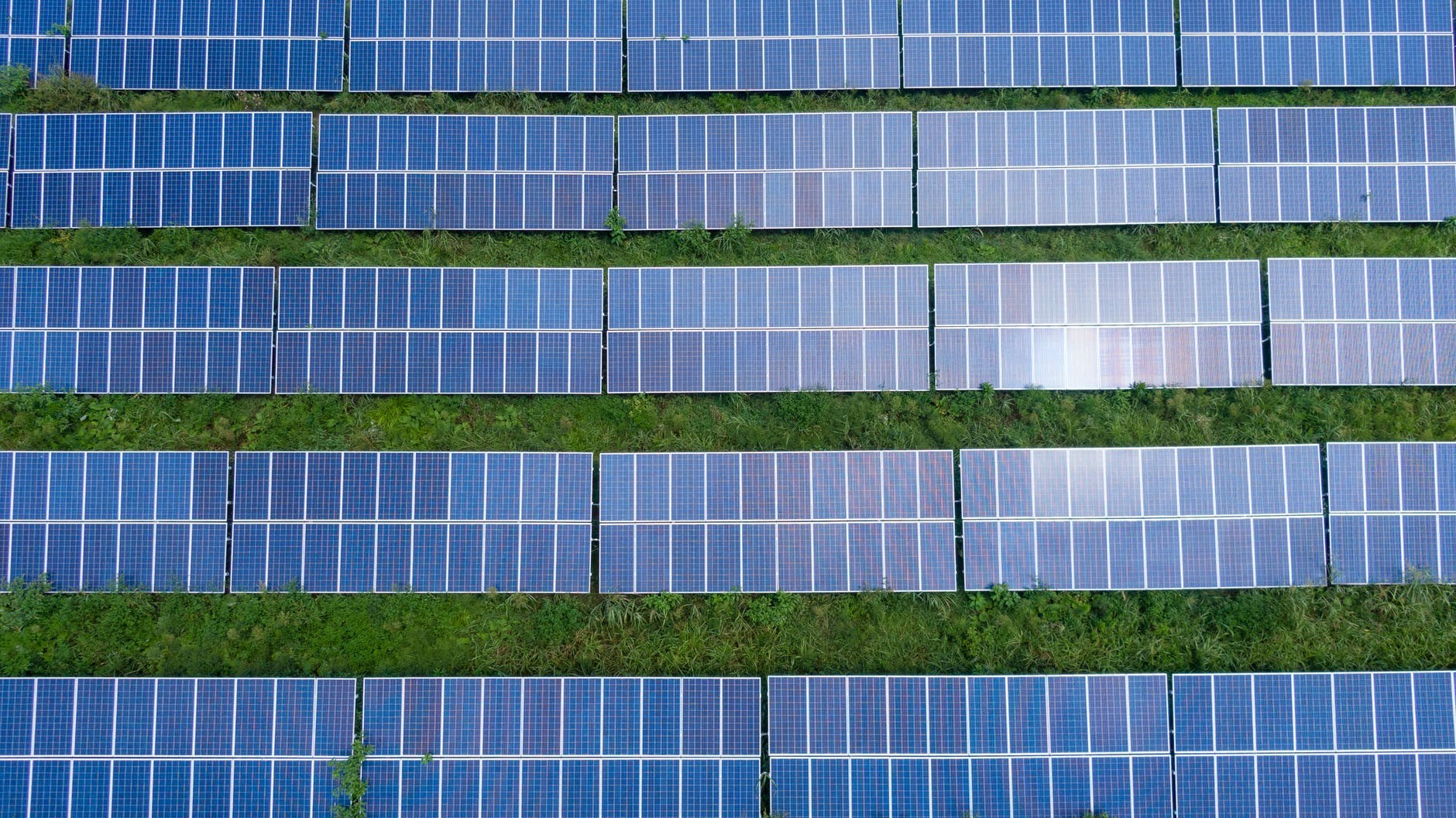
Among the operational assets, KPI Green Energy’s 200 MW/240 MWp Khavda Solar Project has been commissioned and is injecting power. The project is part of the 1.8 GW Khavda renewable energy park developed by Gujarat State Electricity Corporation Limited (GSECL).
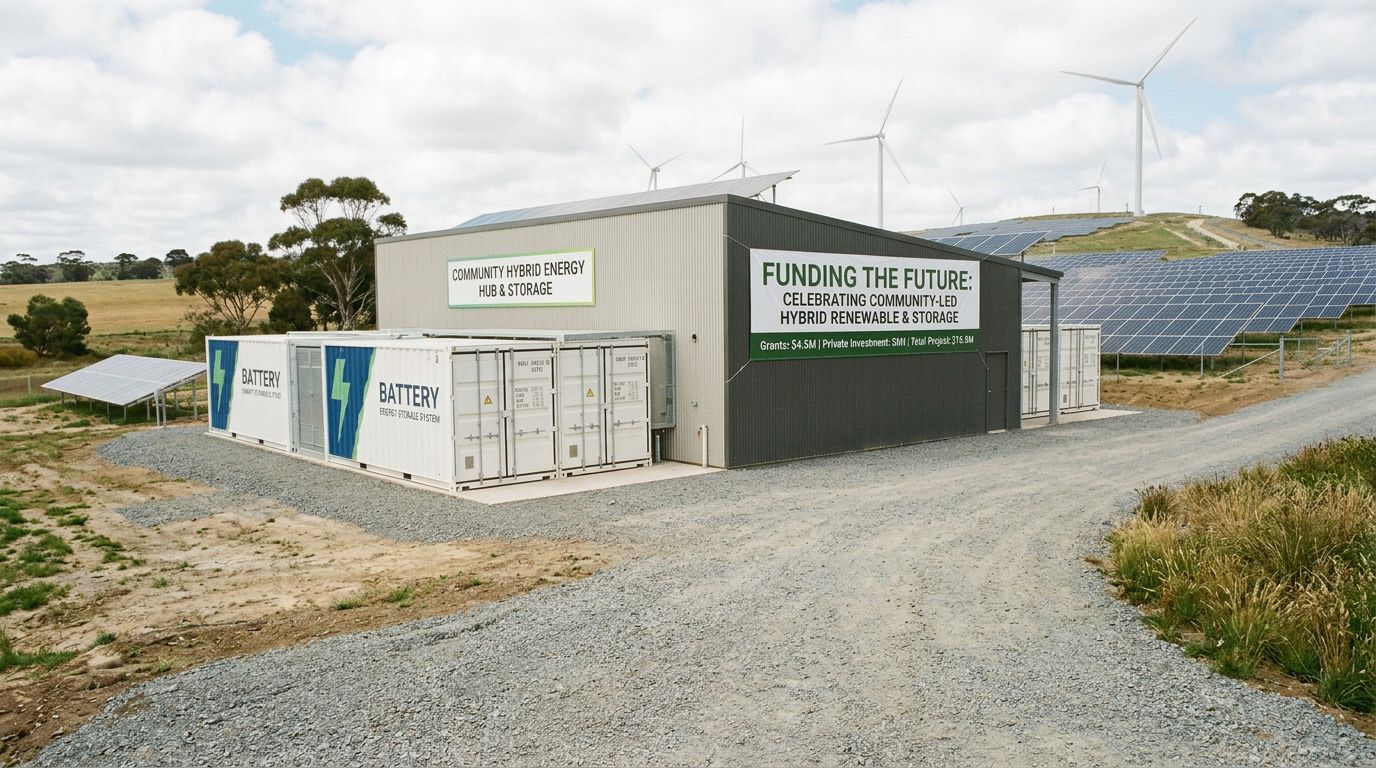
The company has also achieved grid synchronization and power injection for its 50 MW/92.15 MWp hybrid project, comprising 16.95 MW of wind and 75.2 MWp of solar capacity. The project achieved the milestone ahead of its scheduled July 2026 commercial operation date.
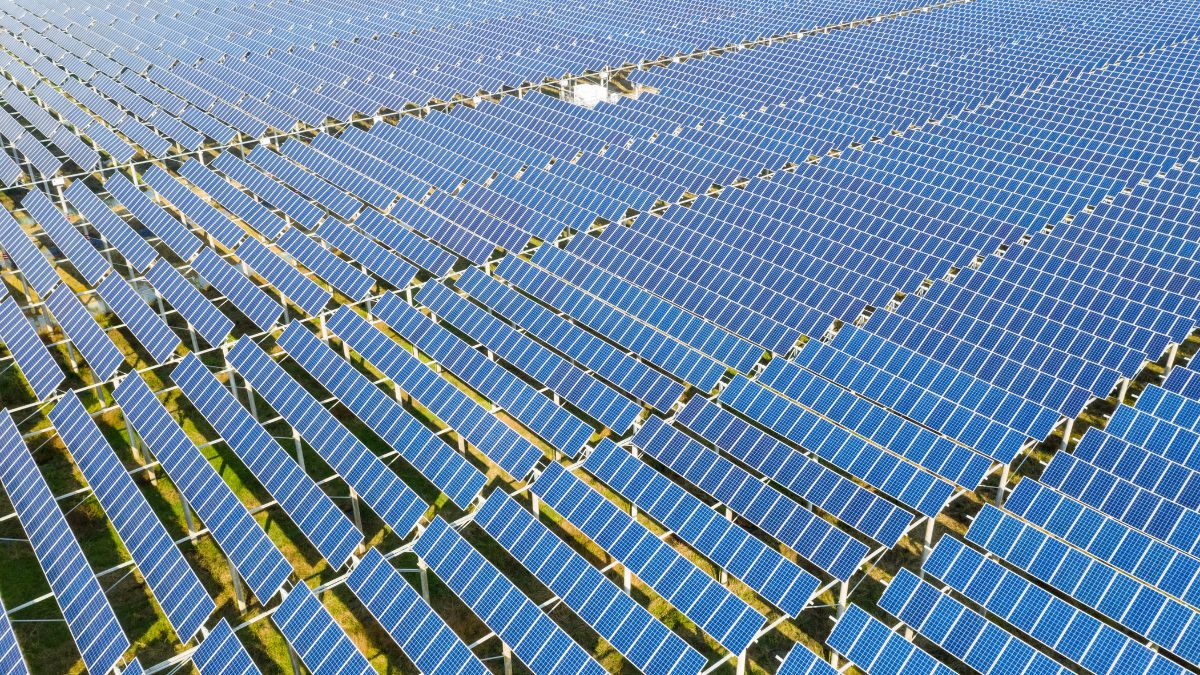
For its 250 MW/350 MWp Solar IPP Project, approximately 180.70 MW/251.13 MWp has been commissioned in phases, while the remaining capacity is under active execution.
KPI Green Energy’s 370 MW/677 MWp Hybrid Renewable Energy IPP Project has also progressed, with an additional 130 MW/195 MWp energized in August 2026. With this addition, the project’s total commissioned capacity has reached 269.70 MW/389.70 MWp.
In the wind segment, the company’s 150 MW wind project has recently achieved financial closure, while the PPA signing process for a separate 300 MW wind IPP project is currently underway.
The company is also expanding into utility-scale energy storage through its subsidiary Sun Drops Energia Limited. Battery Energy Storage Purchase Agreements (BESPAs) have been executed for 565 MW/1,130 MWh of standalone BESS projects, with GUVNL as the counterparty.
KPI Green Energy said its continued expansion of the IPP portfolio is aligned with its strategy of transitioning toward an asset-backed IPP model, aimed at generating predictable, long-term annuity revenues. The company’s entry into utility-scale battery storage is expected to further support grid stability and the integration of renewable energy into the power system.
Subscribe to get the latest posts sent to your email.