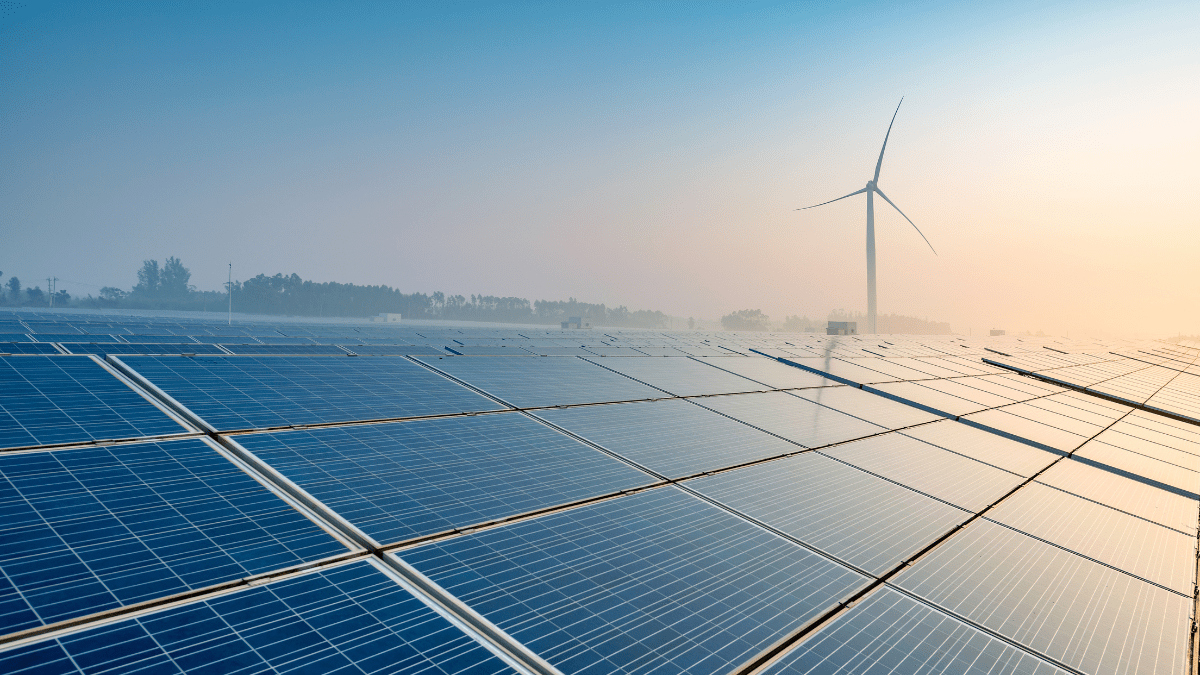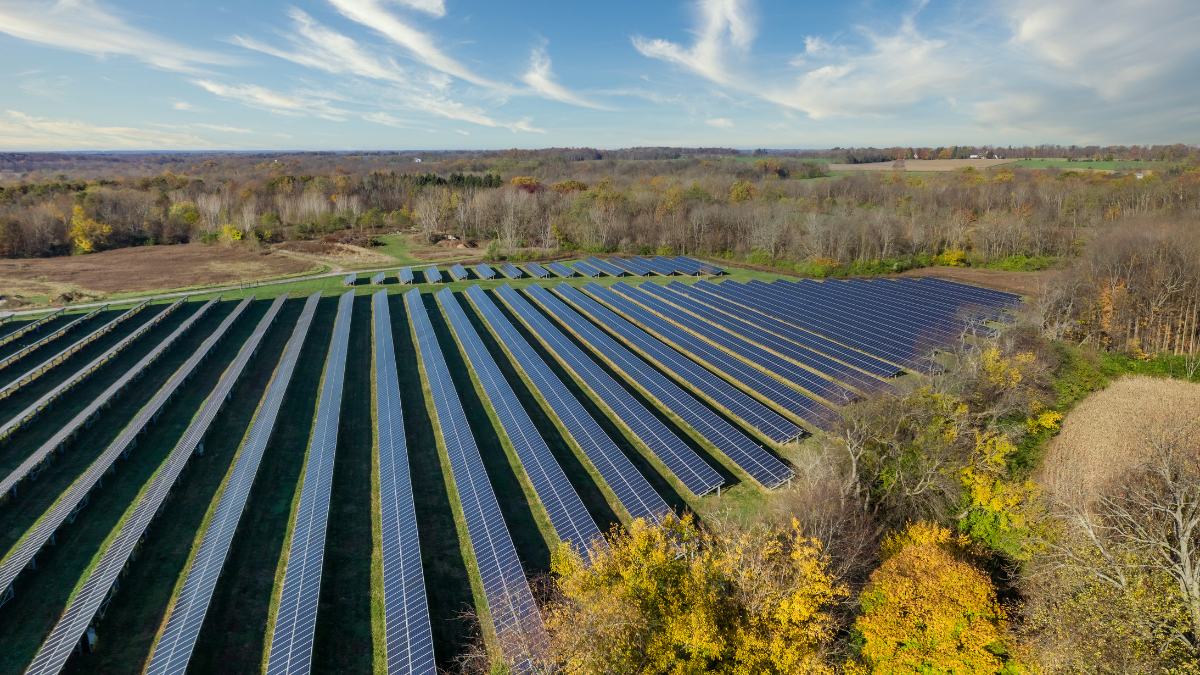
India has achieved a significant milestone in its energy transition, reaching 50% non-fossil power capacity in 2025, five years ahead of its original 2030 target. A new report by EY and the Confederation of Indian Industry (CII), titled Eigenvectors of Net Zero Energy Transition: Pathways to Viksit Bharat 2047, highlights that India’s journey to becoming a developed economy by 2047 will require a threefold increase in primary energy supply, reaching nearly 35,000 TWh, and a forty-fold expansion of non-fossil energy sources to meet two-thirds of national demand.
The report frames India’s net-zero ambitions as a multidimensional challenge that requires balancing energy security, affordability, competitiveness, and sustainability. With projections of a US$30 trillion GDP and a population of 1.5 billion by 2047, the study underscores both the immense opportunities and the potential risks that must be managed carefully.
Somesh Kumar, Partner and Leader of Power & Utilities at EY India, emphasized that India’s net-zero transition is not merely a technological challenge but a complex optimization problem. Achieving resilience will require modernizing power grids, scaling up renewable and nuclear energy, securing supply chains, and addressing health risks such as PM2.5 air pollution, while ensuring that growth remains inclusive.
The report notes that India’s primary energy requirements are expected to rise to around 35,000 TWh (~3,000 Mtoe) by 2047, and clean energy supply must expand approximately forty times current levels to cover two-thirds of this demand. Maintaining energy costs below 10–11% of GDP will be critical to sustaining economic growth, and the report highlights the importance of addressing air pollution and strengthening domestic low-carbon technology manufacturing, as imports already account for 0.21% of GDP in FY25.
Chandrajit Banerjee, Director General of CII, said that achieving 50% non-fossil capacity ahead of schedule demonstrates India’s ambition and its ability to balance sustainability with growth. He noted that becoming a developed economy by 2047 will require substantial expansion in energy supply and clean energy capacity, and a human-centric approach to the net-zero transition provides actionable guidance for policymakers, businesses, and investors.
The report also recommends clarifying the legal framework for private-sector participation in nuclear power and fuel cycles, strengthening nuclear-grade supply chains through quality assurance and vendor development, and involving the private sector in Bharat Small Reactors through a defined framework.
Overall, the findings indicate that India must triple its primary energy supply and expand non-fossil capacity forty-fold to meet future demand sustainably. The report advocates shifting from fragmented, target-driven planning to integrated, risk-informed policymaking. By balancing affordability, security, sustainability, and competitiveness, India can transform its energy transition into a driver of economic growth, social well-being, and global leadership.
Subscribe to get the latest posts sent to your email.