Crashing prices of Middle East’s key benchmark crudes in the wake of the U.S.-Iran deal have opened arbitrage for shipping oil from the Middle East to the United States and Europe, traders told Reuters on Wednesday.
The earlier spot premiums of prices of the Dubai, Murban, and Oman crudes to swaps slumped into discounts this week after the market began pricing in an imminent reopening of the Strait of Hormuz following the tentative U.S.-Iran agreement.
As a result of weakening Middle East crude prices and discounts of spot supply, the arbitrage window to ship UAE, Iraqi, and Omani crude to the United States and Europe has opened as spot demand in the key importing region, Asia, remains weak.
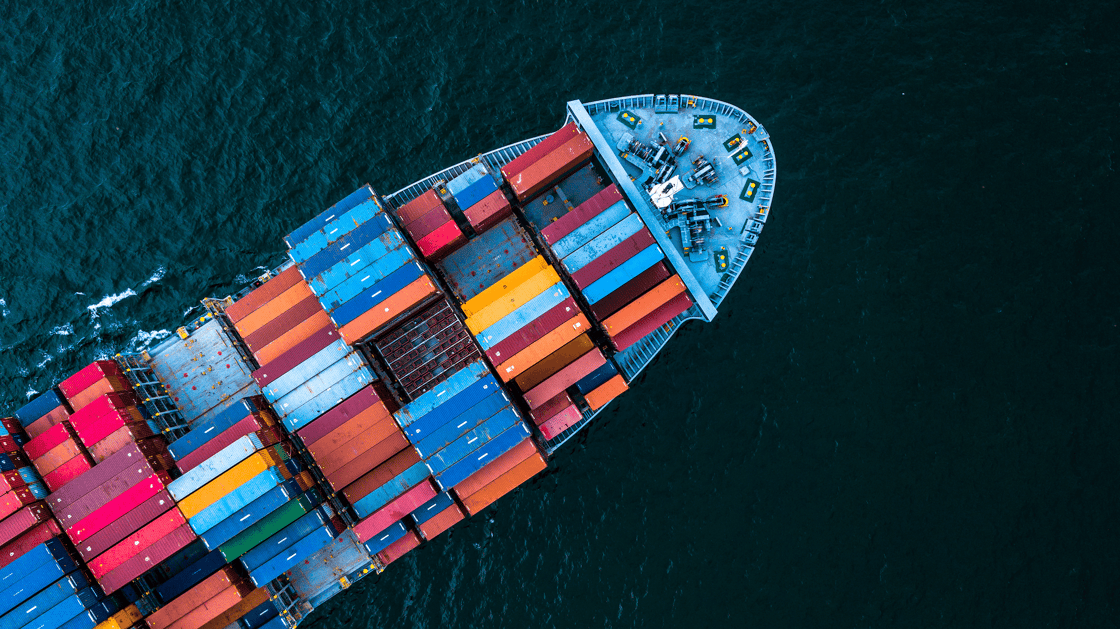
At least five supertankers with Murban and Das crudes from the United Arab Emirates (UAE) are heading to Europe and are being handled by ExxonMobil, one trader told Reuters.
The slump in Middle East crude prices this week has resulted in Murban cargoes becoming cheaper for European buyers compared to the U.S. West Texas Intermediate (WTI).
Another up to 15 million barrels of UAE’s Upper Zakum and Murban crudes, Oman crude, and Iraqi Basrah Medium, are en route to the United States on cargoes shipped by Exxon and TotalEnergies, a second trader said.
As a result of the eased concerns about prompt crude supply from the Middle East region, the key benchmark crudes, Dubai and Murban, saw their futures curve structure on Tuesday flip to contango for the first time since the war began on February 28.
The contango structure, in which prices for contracts dated further out in time are higher than the prompt contracts, suggests that concerns about the immediate lack of crude supply have eased significantly.
If the U.S.-Iran agreement holds and the Strait of Hormuz reopens for safe, sustainable tanker traffic, Dubai and Murban prices are set for further declines as millions of barrels of crude from the Middle East are sitting in storage on tankers in the Persian Gulf, while an open Strait would prompt producers to begin restoring production volumes they were forced to curtail early in the conflict.
By Charles Kennedy for Oilprice.com
More Top Reads From Oilprice.com
- China’s Gasoline Car Market Is Crashing as Fuel Prices Surge
- First Iranian Oil Moves Past U.S. Blockade Ahead of Deal Signing
- ECB: Iran Peace Deal Won’t Erase Europe’s Energy Price Shock