By
28 min ago 2 min read
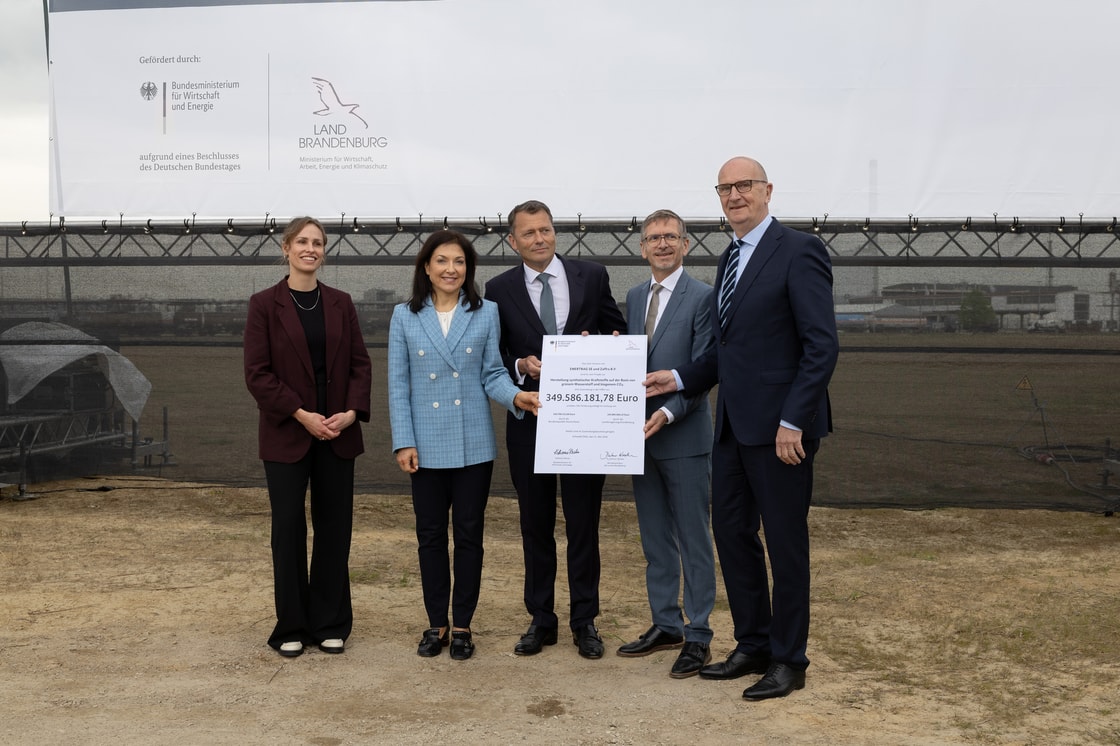
Germany has handed over €350m ($412.5m) in state support to a 30,000-tonne-per-year green hydrogen-based e-SAF project after developers relocated the plant to the strategically sensitive PCK Schwedt refinery.
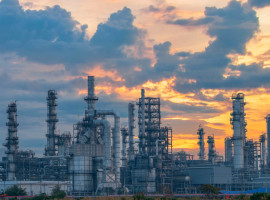
The €500m ($589.3m) project, being pursued by renewables firm Enertrag and Topsoe-Sasol SAF joint venture Zaffra, was due to be built near Berlin, but is now planned to be constructed at the PCK Schwedt oil refinery near the Polish border.
Previously known as , the Brandenburg eSAF project was selected as an Important Projects of Common European Interest (IPCEI) by the European Commission in 2024.
It will combine green hydrogen from Gascade’s pipeline segment, and captured carbon dioxide from a local paper mill to generate 30,000 tonnes per year of e-SAF.
Enertrag and Zaffra expect to take final investment decision by the end of 2027 and begin production in 2030.
The Federal Ministry for Economic Affairs and Energy (BMWI) said it backed the companies’ request to relocate to Schwedt, which saw the European Commission approve amendments to permits in April.
BMWI provided €245m ($288.7m) of the funding, with €105m ($124m) coming from the state of Brandenburg.
The companies did not disclose whether the site swap altered the project’s overall cost.
The relocation comes amid continuing federal intervention at the PCK refinery.
Majority-owned by Russian oil firm Rosneft, Germany placed the site under state trusteeship in 2022 after Russia invaded Ukraine to safeguard fuel supplies and protect jobs at one of the country’s key refining hubs.
On Monday (11 May), BMWI extended employment guarantees to staff by six months until the end of 2026.
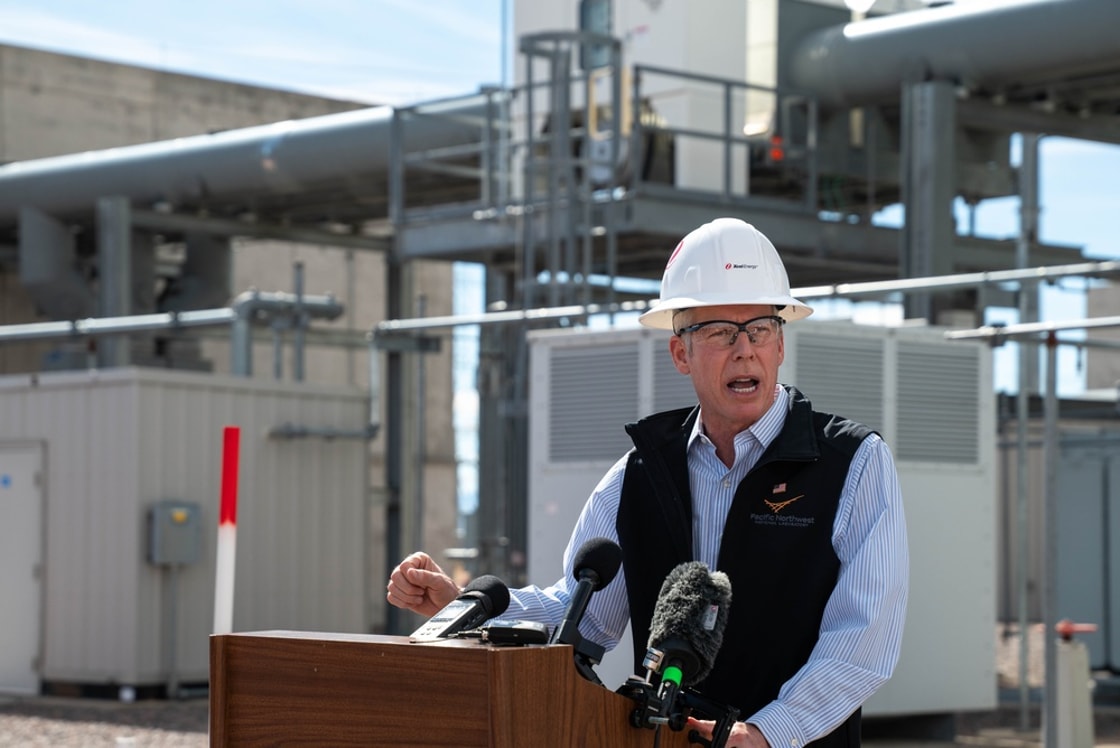
BMWI Minister, Katherina Reiche, said, “What matters now is to permanently stabilise the energy supply at PCK and in the region, to strengthen growth potential in a targeted way, and to stimulate new investment.”
The move to Schwedt aligns the project with Berlin’s broader strategy to repurpose the politically sensitive PCK refinery into a hydrogen and sustainable fuels hub.
She claimed the relocated SAF project “combines industrial strength with innovation, opens up new value chains, and creates long-term prospects for employment, prosperity, and energy security.”