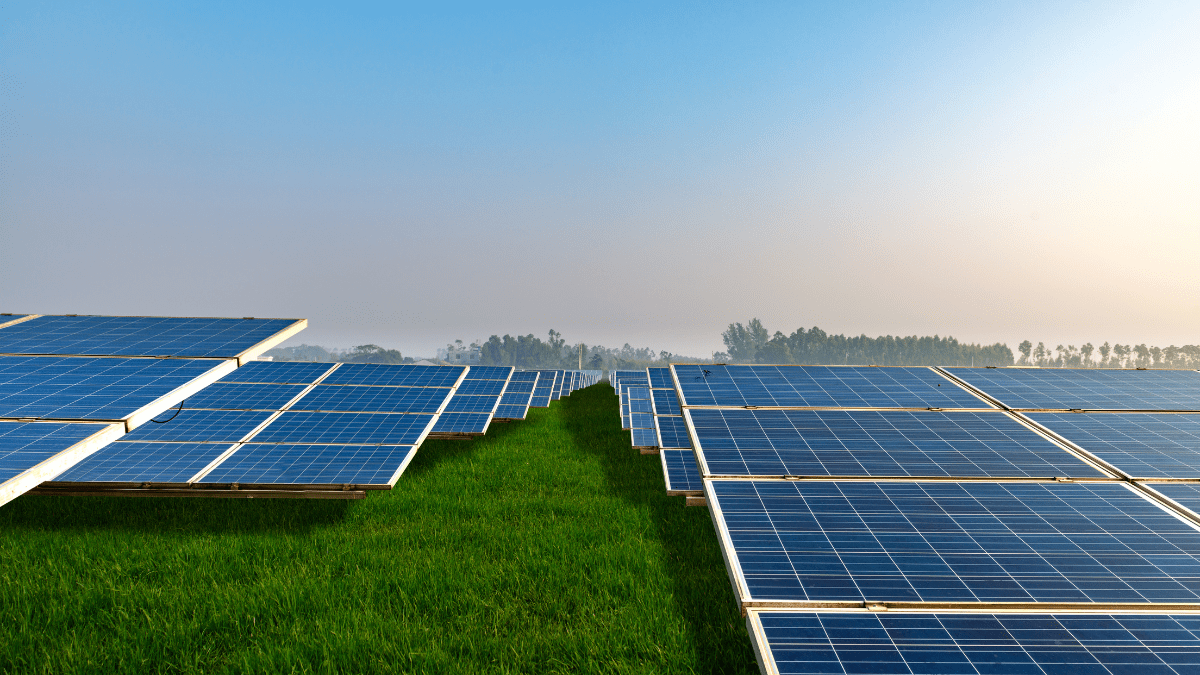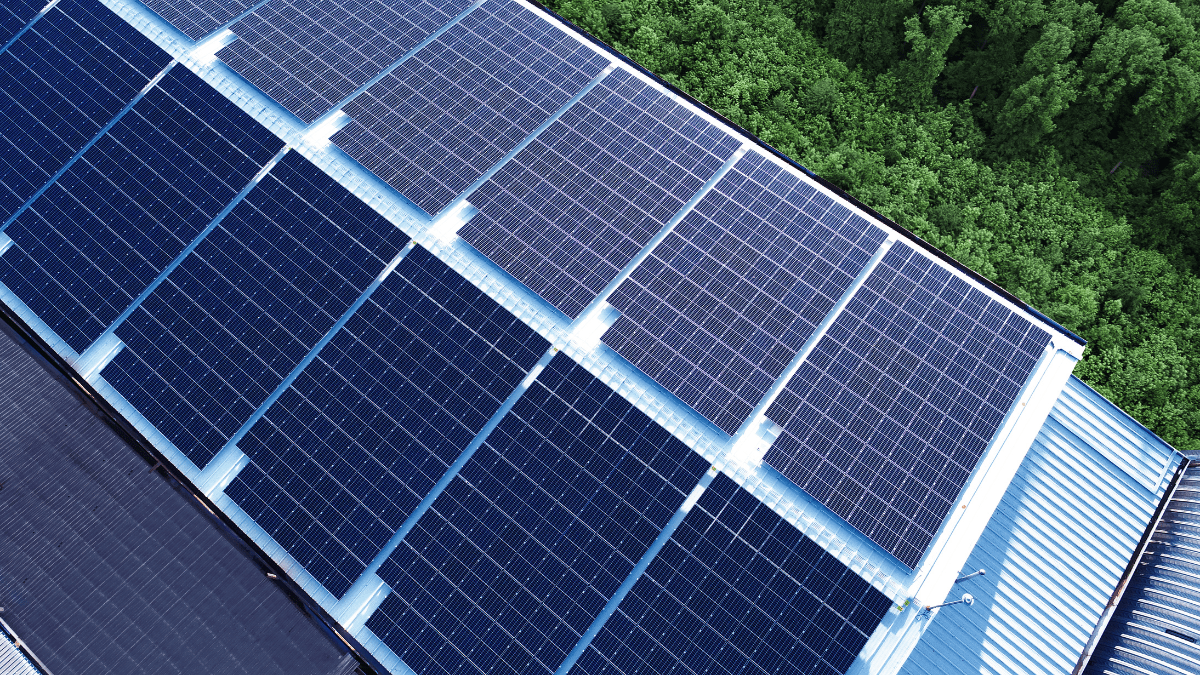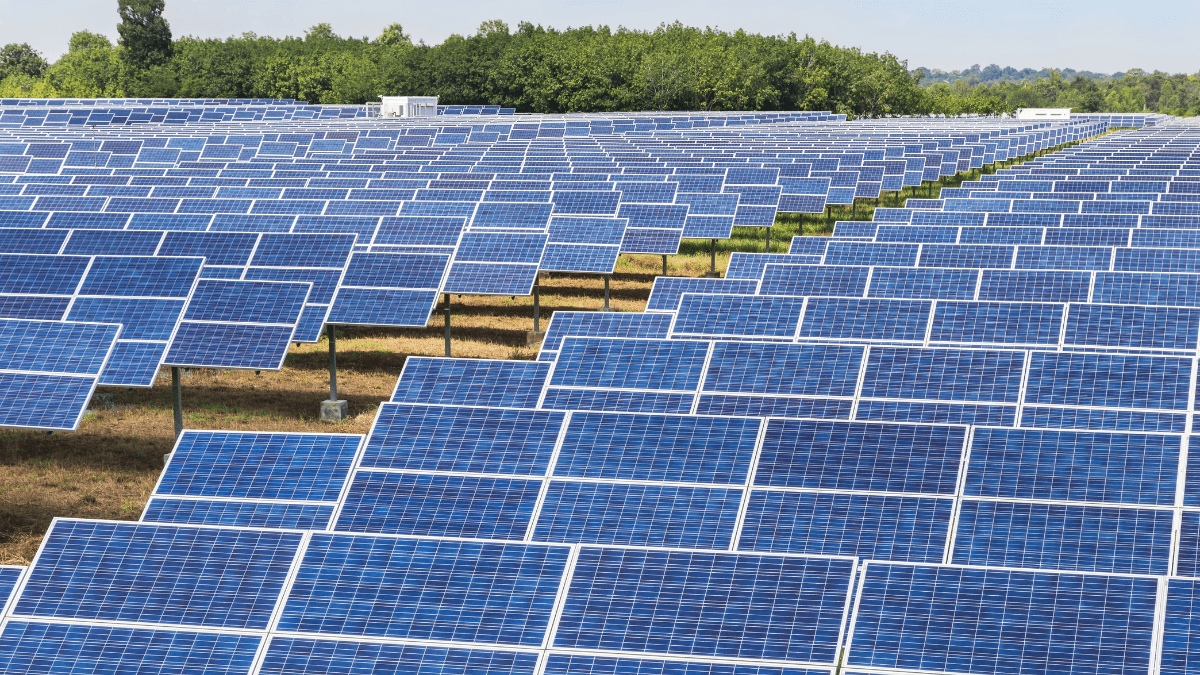
Gujarat State Electricity Corporation Limited (GSECL) has filed a petition before the Gujarat Electricity Regulatory Commission (GERC) seeking approval of the tariff for its upcoming 14 MW solar power project in Vasundhara village of Morbi district. The petition has been submitted under the provisions of the Electricity Act, which mandates regulatory approval for tariff determination of grid-connected power projects.
The project will be connected to the state grid, and GSECL has requested the commission to determine the fixed tariff at which electricity generated from the plant will be sold. Once approved, the tariff will form the basis of a long-term power purchase arrangement with Gujarat Urja Vikas Nigam Limited (GUVNL), the state’s power procurement and distribution company. The tariff approval is essential to ensure clarity on revenue recovery and payment security for the developer.
According to the petition, tariff determination is crucial for the financial viability of the 14 MW solar facility. The approved rate will enable GSECL to recover capital expenditure incurred in setting up the plant, including costs related to land development, solar modules, inverters, evacuation infrastructure, and other associated expenses. The commission is expected to examine the technical configuration of the project and assess the capital cost details before finalizing the per-unit tariff.
The Vasundhara solar project is part of Gujarat’s broader strategy to strengthen its renewable energy capacity. The state has been steadily adding solar installations across multiple districts, including projects in Surat and Kutch. By developing projects in different regions, the state aims to decentralize generation, improve grid stability, and reduce transmission losses.
Morbi district, widely recognized for its ceramic and industrial manufacturing clusters, has traditionally been associated with high power demand. The addition of solar generation capacity in the region is expected to support local electricity needs with cleaner energy. Increased renewable integration will also contribute to lowering carbon emissions and reducing dependence on conventional fossil-fuel-based power.
Industry observers note that regulatory scrutiny by GERC will include public hearings and stakeholder consultations to ensure transparency in the tariff-setting process. The commission will evaluate whether the proposed tariff aligns with prevailing market benchmarks and the state’s renewable energy policies.
The filing of this petition reflects Gujarat’s continued commitment to expanding its renewable portfolio and strengthening sustainable power infrastructure. Once approved, the 14 MW solar project will further consolidate the state’s position as one of India’s leading renewable energy hubs.
Subscribe to get the latest posts sent to your email.