By
13 min ago 3 min read
LNG production and vessel loadings at QatarEnergy LNG and the UAE’s ADNOC LNG have continued at a relatively robust pace despite the disruption to outbound shipping, according to S&P Global research.
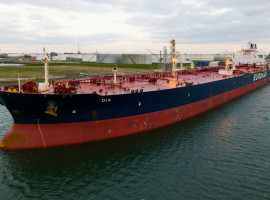
Seven laden Qatari LNG carriers were estimated to be holding around 0.57 million metric tonnes of LNG as of mid-July, while S&P Global estimates that nearly 1.9 million metric tonnes of LNG tanker capacity is currently positioned inside the Gulf – the equivalent of around eight days’ worth of typical pre-war peak exports from the two projects.
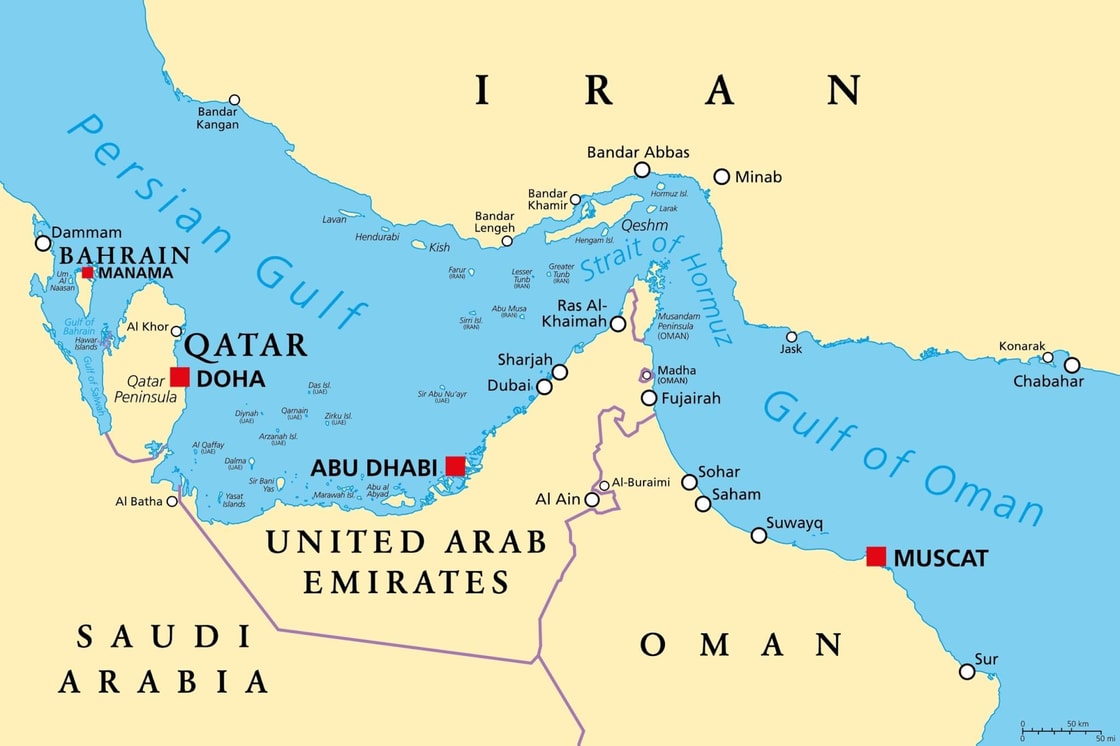
However Mehrun Etebari, Senior Principal Analyst at S&P Global Energy, said LNG traffic through the has fallen back to levels last seen in early June, well before the created a temporary window for renewed movement.
“Our outlook increasingly points to shipping constraints, rather than the ramp-up of liquefaction capacity, as the main factor limiting exports,” he said.
Vessel tracking data from S&P Global Energy shows that the combined 10-day moving average of laden LNG transits through the strait fell from roughly 0.8 cargoes per day in late June to just 0.2 cargoes per day by 15 July.
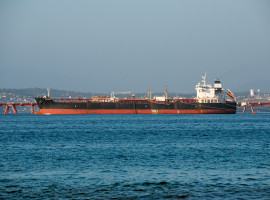
Only one LNG cargo is known to have exited in the past week, reflecting mounting caution among shipowners after the on QatarEnergy LNG’s Al Rekayyat, the first direct strike on an LNG vessel since the conflict began, with another laden vessel appearing to attempt a transit on Friday (17 July).
Should the effective blockage of the Strait of Hormuz ease in the coming weeks, vessels could enable a relatively rapid increase in exports, releasing LNG that has already been produced and loaded.
The analysis notes that intermittent disruptions are likely to continue while security risks remain elevated, but a reopening of transit routes could unlock substantial export volumes already waiting within the Gulf and materially improve the outlook for global LNG supply.
The Independent Commodity and Intelligence Service provided a conservative outlook last week, delaying its forecasts on the return of Qatar and UAE LNG to market .
The disruption to LNG production and supply chains continues to have a knock-on effect on the helium market.
China plans to for helium based on changes in domestic and international supply and demand, according to a Ministry of Commerce spokesperson.
The helium market could be on the brink of a as supply disruptions in Qatar and Russian export controls threaten to overturn more than two years of market oversupply.