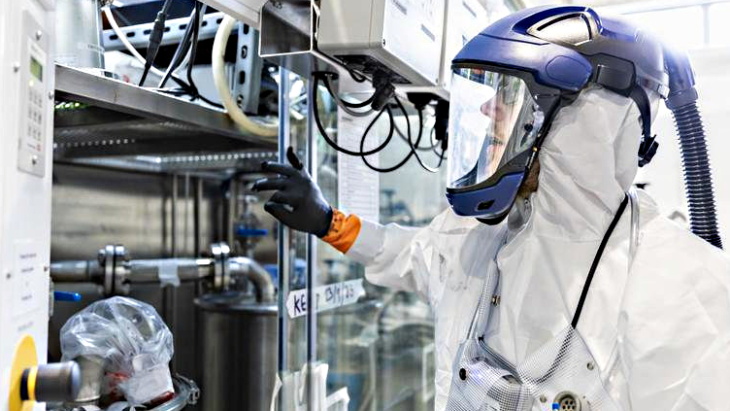
The 12-day Integrated Regulatory Review Service mission, requested by the government, reviewed Hungary’s governmental, legal and regulatory framework for nuclear and radiation safety. The 20-plus-strong team reviewed Hungary’s oversight of facilities and activities including nuclear power plants, research reactors, radiation sources facilities and waste management facilities.
In addition to the legal status praise, the mission also praised the Hungarian Atomic Energy Authority’s steps “in enhancing safety culture at the regulatory body”.
Recommendations and suggestions to further enhance its regulatory framework included: “Clarifying allocation of tasks and responsibilities for regulatory control of medical exposures within the governmental, legal and regulatory framework for safety; establishing an integrated management system; documenting key regulatory processes and procedures within the management system; and reviewing and improving the existing arrangements between relevant regulatory authorities, as necessary, for the effective coordination of their regulatory functions.”
The mission, which followed one in 2015 and a follow-up visit in 2018, noted that the authority’s resources had been “incrementally increased” as the country’s nuclear industry grows and “emphasised the importance of continued government support – both financial and human resources – to ensure the regulator’s capacity to fulfil its mandate”.
Andrea Beatrix Kádár, Hungarian Atomic Energy Authority’s (HAEA) President, said: “Continuous improvement is of paramount importance to the Hungarian Atomic Energy Authority, as it strengthens the robustness of our regulatory framework and enhances nuclear safety to protect both the public and the environment.”
Ramzi Jammal, Executive Vice-President and Chief Regulatory Operations Officer of the Canadian Nuclear Safety Commission, and the Integrated Regulatory Review Service Team Leader said: “Hungary has established a solid foundation for regulatory oversight through its independent regulatory body, the HAEA, and demonstrated a proactive approach to continuous improvement. We have found high levels of compliance with IAEA safety standards and evidence that HAEA is a competent and trusted national regulator.”
Karine Herviou, IAEA Deputy Director General and Head of the Department of Nuclear Safety and Security, said: “The outcome of this mission demonstrates Hungary’s dedicated and strong commitment to strengthening its regulatory infrastructure and, consequently, enhancing nuclear and radiation safety nationwide.”
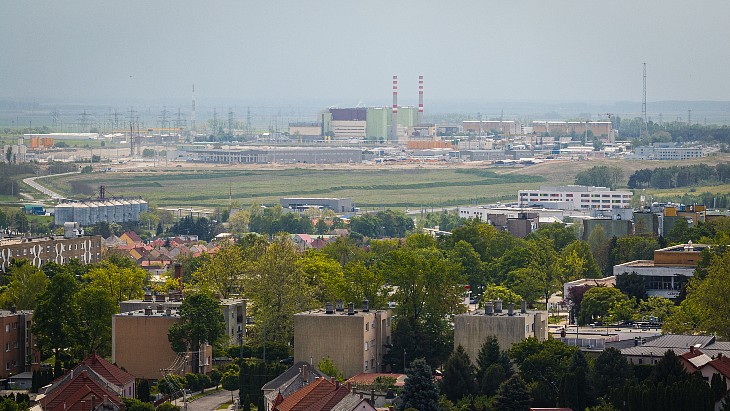
Hungary generates about half of its electricity at four reactors at the Paks nuclear power plant. The country is planning to construct another two units at Paks. It also operates research reactors for training and research as well as the production of radioisotopes.