It could take up to two years to restore a meaningful share of oil and gas production lost in the Iran war, according to International Energy Agency chief Fatih Birol.
That timeline matters because markets are still treating the disruption as temporary. It isn’t.
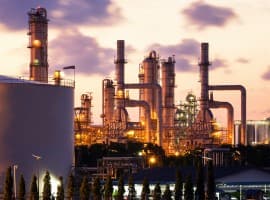
Oil fields, refineries, and pipelines have sustained damage across the Persian Gulf. The Strait of Hormuz has also been largely shut, cutting off a key export route for crude and fuels. Together, those disruptions have removed hundreds of millions of barrels from the market.
In an interview with Bloomberg’s Wall Street Week, Birol pushed back on the idea that supply would return quickly once shipping resumes. Reopening the Strait does not bring production back to pre-war levels, according to Birol. Facilities would need to be repaired and output would need to be restarted.
Both take time.
This follows earlier estimates from the IEA that the war has already knocked out as much as 13 million barrels per day of oil production. Total export losses, including refined products, have been even higher. More than 80 oil and gas facilities across the region have been damaged.
Natural gas could take even longer to recover. Some LNG terminals may need more than two years to return to normal operations after sustaining damage.
The impact is already showing up in the physical market. Spot crude prices for immediate delivery have surged, with some barrels trading near $150. Refiners in Europe and Asia are competing for limited supply and, in some cases, cutting runs as shortages begin to take hold.
Demand is starting to adjust. Birol pointed to early signs of demand destruction, including fuel rationing, reduced industrial activity, and rising inflation pressures in energy-importing economies.
Those effects are expected to hit hardest in emerging markets, particularly in Asia and Africa, which rely heavily on imported energy.
By Julianne Geiger for Oilprice.com
More Top Reads From Oilprice.com
- Japan to Deploy $10 Billion to Help Southeast Asia Cope With Oil Shock
- Equinor Signals Trading Windfall as War-Driven Volatility Lifts Results
- TotalEnergies Sees Q1 Profit Surge on High Prices, Strong Trading