Electricity and diversification are emerging as the main drivers of rising global energy investment, as countries work to address a second major energy crisis in just five years. According to the latest edition of the International Energy Agency’s World Energy Investment report, the ongoing conflict in the Middle East has intensified concerns about energy security and the stability of trade routes, prompting both governments and companies to reassess their investment strategies.
The 2026 report explains that the current crisis, triggered by the near closure of the Strait of Hormuz, is reshaping perceptions of supply risk and accelerating efforts toward diversification. Occurring only a few years after the energy shock caused by Russia’s invasion of Ukraine in 2022, this new disruption is expected to have a lasting influence on investment decisions, particularly in Asia and the Middle East, where interruptions to shipping flows have had the greatest impact.
IEA Executive Director Fatih Birol notes that the world is experiencing one of the most severe energy security challenges in history, comparable to the shifts witnessed after the oil crises of the 1970s. He observes a clear increase in efforts by both producer and consumer nations to create alternative trade routes and strengthen reliance on domestic resources.
These responses include investing in renewables, nuclear power, and in some cases coal, oil and gas, alongside broader measures to reinforce electricity systems, expand electrification and prioritise energy efficiency.Global energy investment is expected to reach USD 3.4 trillion in 2026, slightly higher than the previous year.
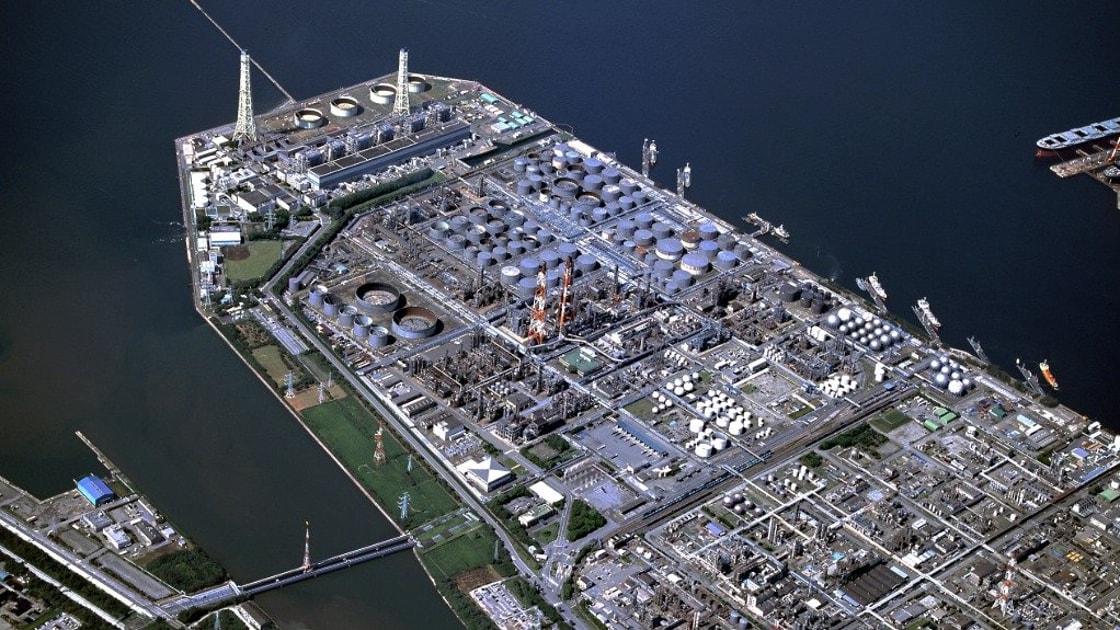
Of this, around USD 2.2 trillion is set to go toward grids, storage, low-emissions fuels, nuclear, renewable energy, efficiency and electrification, while roughly USD 1.2 trillion will be invested in oil, natural gas and coal.Oil investment is projected to decline for the third consecutive year, falling below USD 500 billion despite high prices.
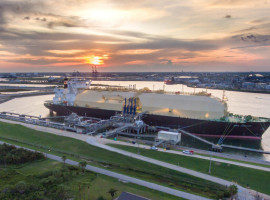
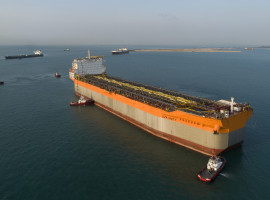
The report attributes this drop to uncertainty over how long the current price spike will last, along with long project timelines, supply chain bottlenecks and a tighter offshore rig market. Near-term increases in spending are largely limited to the Middle East. By contrast, natural gas investment is expected to grow to USD 330 billion—the highest level in ten years—driven by new LNG export projects, especially in the United States and Qatar.
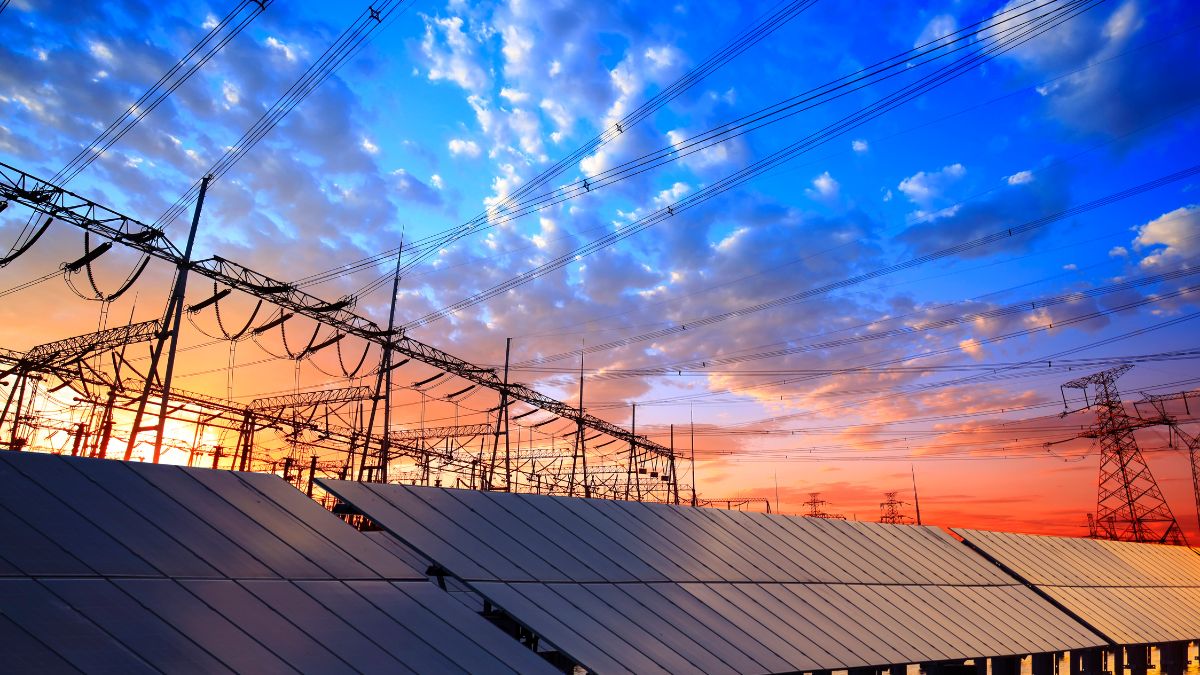
The report also highlights a growing focus among fuel-importing countries on energy sources that can be developed domestically. These include renewable power, nuclear energy and, in some cases, coal. Renewable power investment is expected to reach USD 665 billion in 2026, with USD 365 billion going to solar projects.
Although growth in renewable investment has slowed after several years of rapid expansion, low-emissions technologies still account for more than 70% of total global power generation spending. Nuclear investment continues to rise as well, exceeding USD 80 billion a year, with nearly 80 gigawatts of new capacity under construction across 15 countries.Coal investment is forecast to increase to USD 180 billion in 2026, the highest level since 2012. China is expected to account for almost 70% of global coal supply spending.
Some Asian countries facing current supply disruptions may also choose to keep their existing coal-fired plants operating longer to strengthen energy security.Past energy crises have often led to major improvements in demand-side efficiency, and this pattern appears to be repeating. Worldwide, about USD 350 billion is invested each year in energy efficiency measures, and the IEA reports that around 20 countries have already announced new policies to improve efficiency following the latest crisis. However, important policy gaps remain.
The conflict in the Middle East is also affecting financing conditions for future energy projects. It has introduced volatility into financial markets, slowing near-term investment decisions and increasing long-term financing costs. The report warns that this could have a significant impact on capital-intensive technologies, especially in emerging and developing economies where borrowing costs are already higher than in advanced economies.
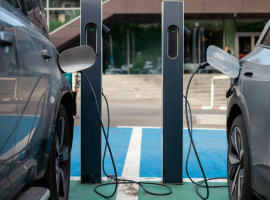
A central theme in global energy spending continues to be electricity. Investment in electricity supply and related infrastructure is expected to reach nearly USD 1.6 trillion in 2026, rising to USD 2 trillion when spending on electrification is included. Investment in electricity grids is projected to reach around USD 550 billion, almost 20% higher year-on-year, while global spending on battery storage is expected to surpass USD 100 billion.
Rising electricity demand from data centres and artificial intelligence is becoming an increasingly important influence on investment patterns, particularly in the United States. Orders for new gas-fired power plants reached their highest level in 25 years in 2025, driven in part by the energy needs of data centre expansion. Strong demand in the United States and the Middle East is also stretching supply chains, reducing the availability of gas turbines for near-term deployment in other regions.
Subscribe to get the latest posts sent to your email.