International Energy Agency chief Fatih Birol says the Iran war has permanently changed the fossil fuel industry and will accelerate a shift toward renewables, nuclear power and electrification at the expense of oil demand.
That is a bold claim in the middle of an oil crisis that has Brent trading above $105 a barrel and physical supply still constrained.
Birol told The Guardian that the damage to confidence in fossil fuel security is permanent, and that countries exposed to the Strait of Hormuz disruption will rethink how much geopolitical risk they are willing to embed in their energy systems.
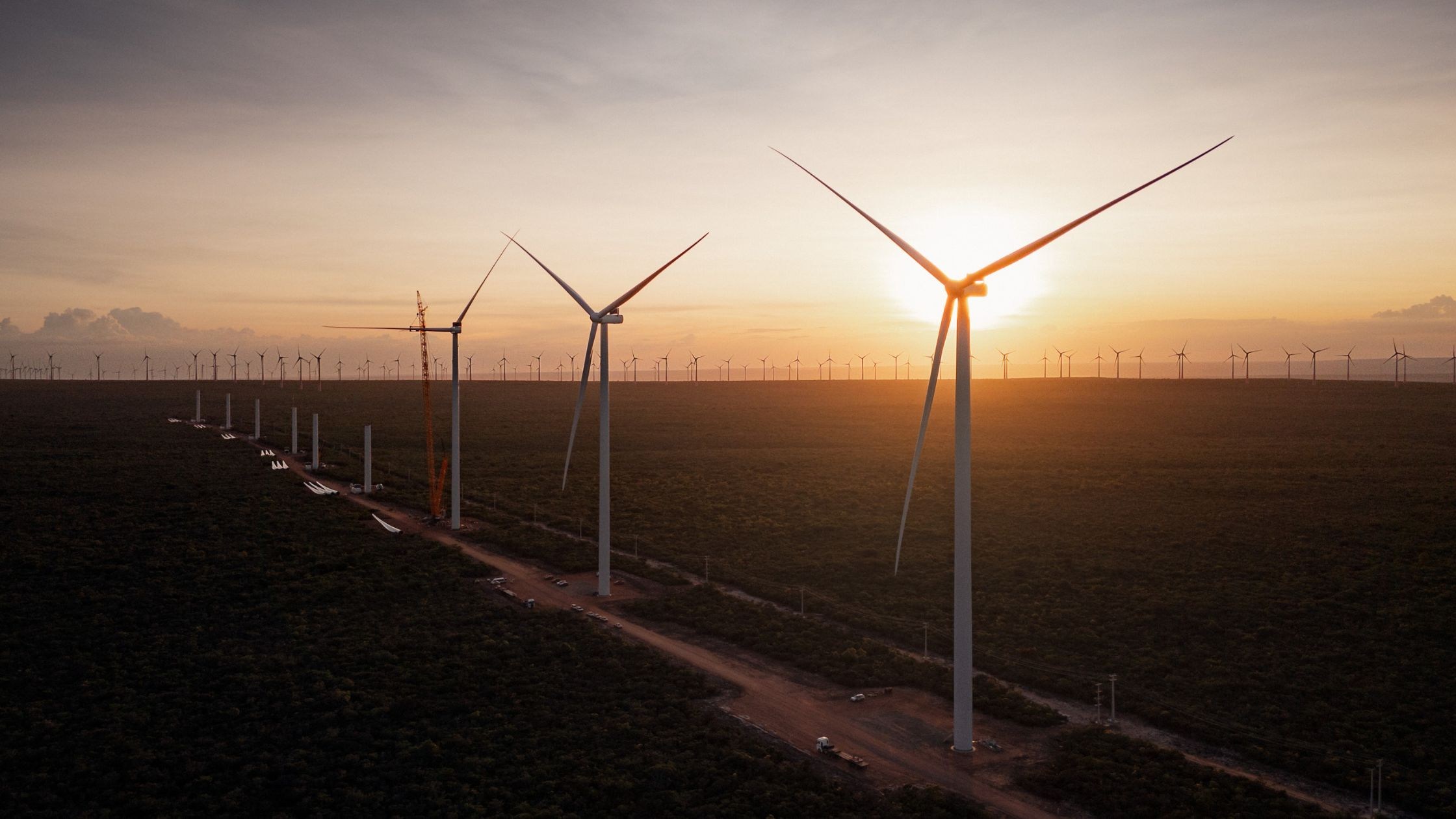
“Their perception of risk and reliability will change. Governments will review their energy strategies. There will be a significant boost to renewables and nuclear power and a further shift towards a more electrified future,” Birol told the Guardian, adding that this shift will “cut into the main markets for oil,” resulting in “permanent consequences for the global energy markets…”
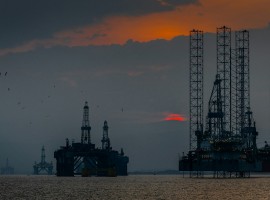
Birol also cautioned the UK over its North Sea drilling campaign plans, which, he said, would not provide any immediate benefit. In fact, Birol points out, it would not offer any significant amount of oil and gas for many years and would “not make any significant difference to this crisis,” except, of course, for tiebacks.
The message to the UK, is that any oil and gas expansion “might not make business sense.”
Meanwhile, JPMorgan has argued prices may need to rise further to force additional demand destruction. Goldman Sachs estimates Gulf oil production is down 57% from pre-war levels. Those are shortage signals, not evidence of a fossil fuel system in retreat.
The current crisis is “bigger than all the biggest crises combined,” Birol said, chastising the world for being so “blind-sided” as to allow the global economy to be “hostage to a 50km strait.”
By Julianne Geiger for Oilprice.com
More Top Reads From Oilprice.com
- Pakistan Turns to Russia and Venezuela as Middle East Oil Supplies Shrink
- India Pushes Refiners To Boost LPG Output
- Trump Extends Jones Act Shipping Waiver Through August