Thailand could accelerate rooftop solar deployment by reforming its existing solar policies, reducing dependence on imported liquefied natural gas (LNG), strengthening energy security and easing future pressure on electricity costs, according to a new report by the Institute for Energy Economics and Financial Analysis (IEEFA).
Thailand’s power sector currently relies heavily on natural gas, which accounts for 66% of electricity generation. With domestic gas production declining, the country has become increasingly dependent on LNG imports, exposing its power system to global fuel price volatility and supply disruptions. Electricity Generating Authority of Thailand (EGAT), the state utility and buyer of last resort, had accumulated more than THB36 billion (US$1 billion) in losses from past energy crises by March 2026.
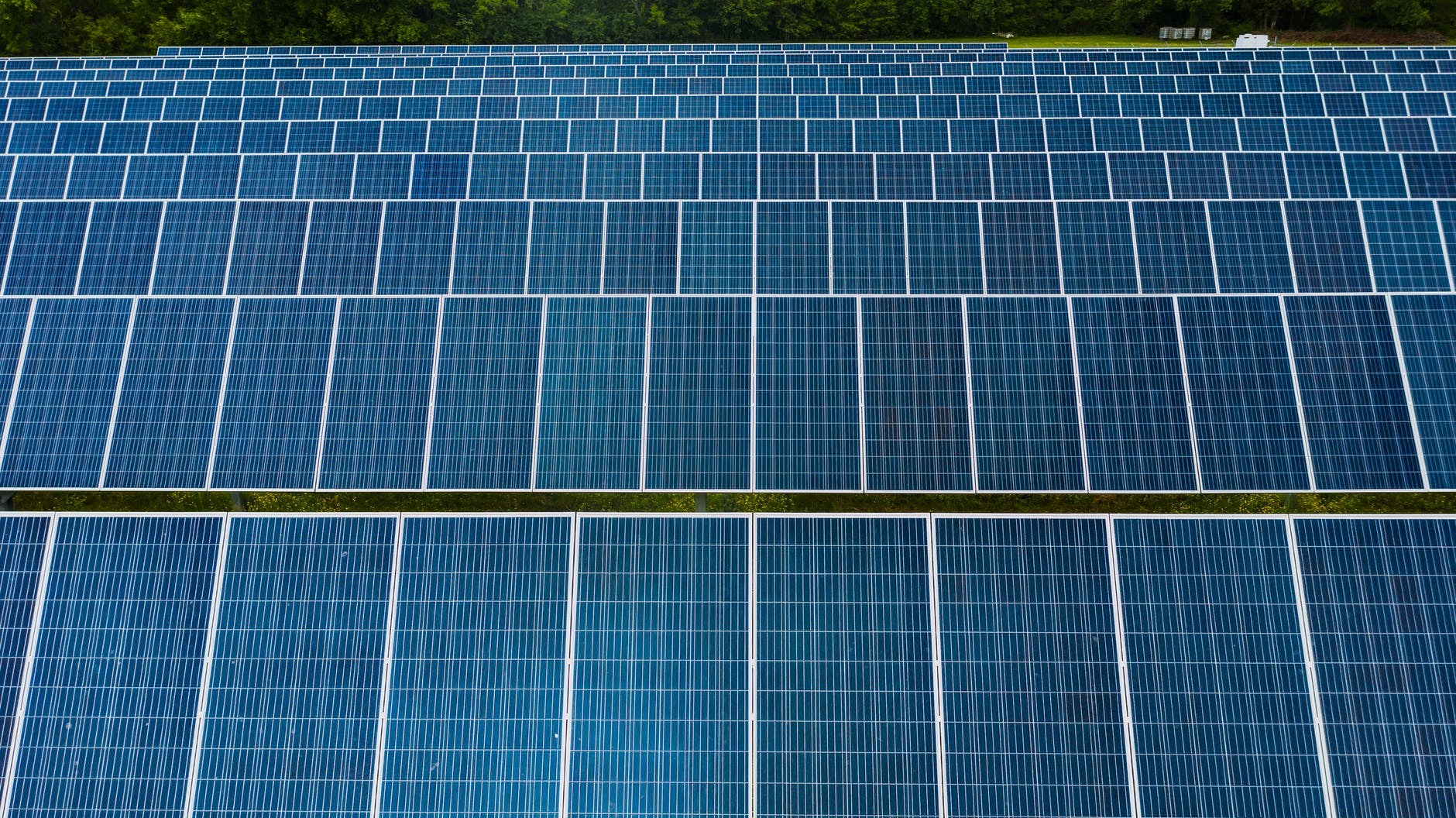
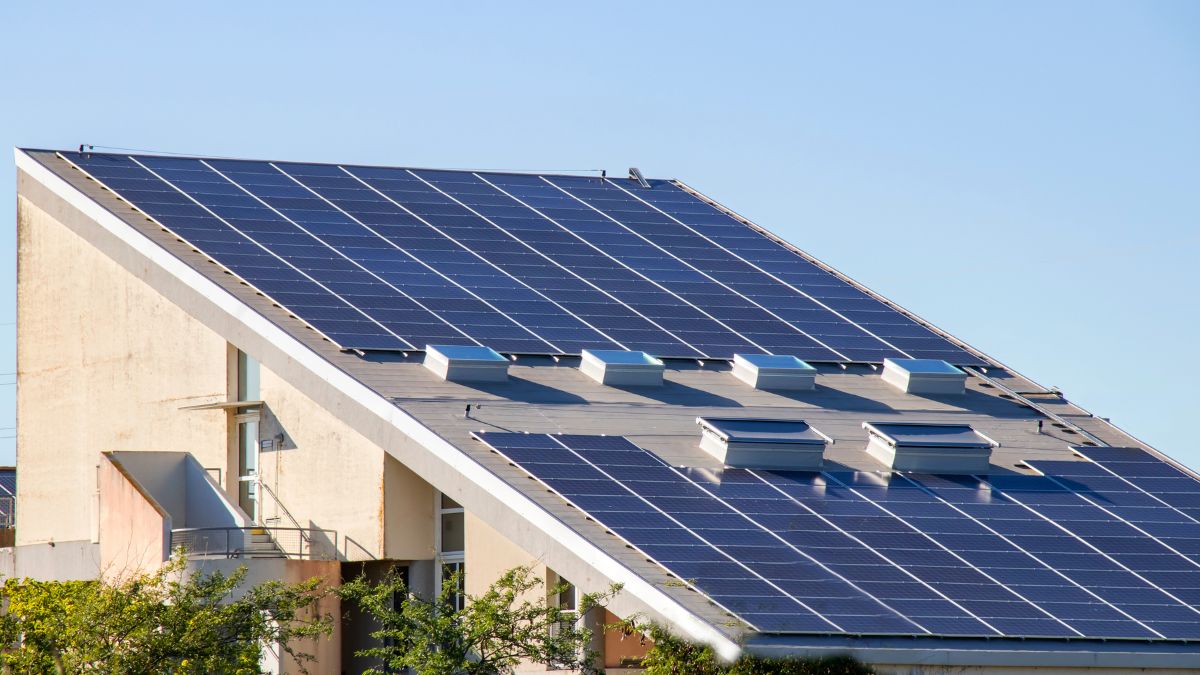
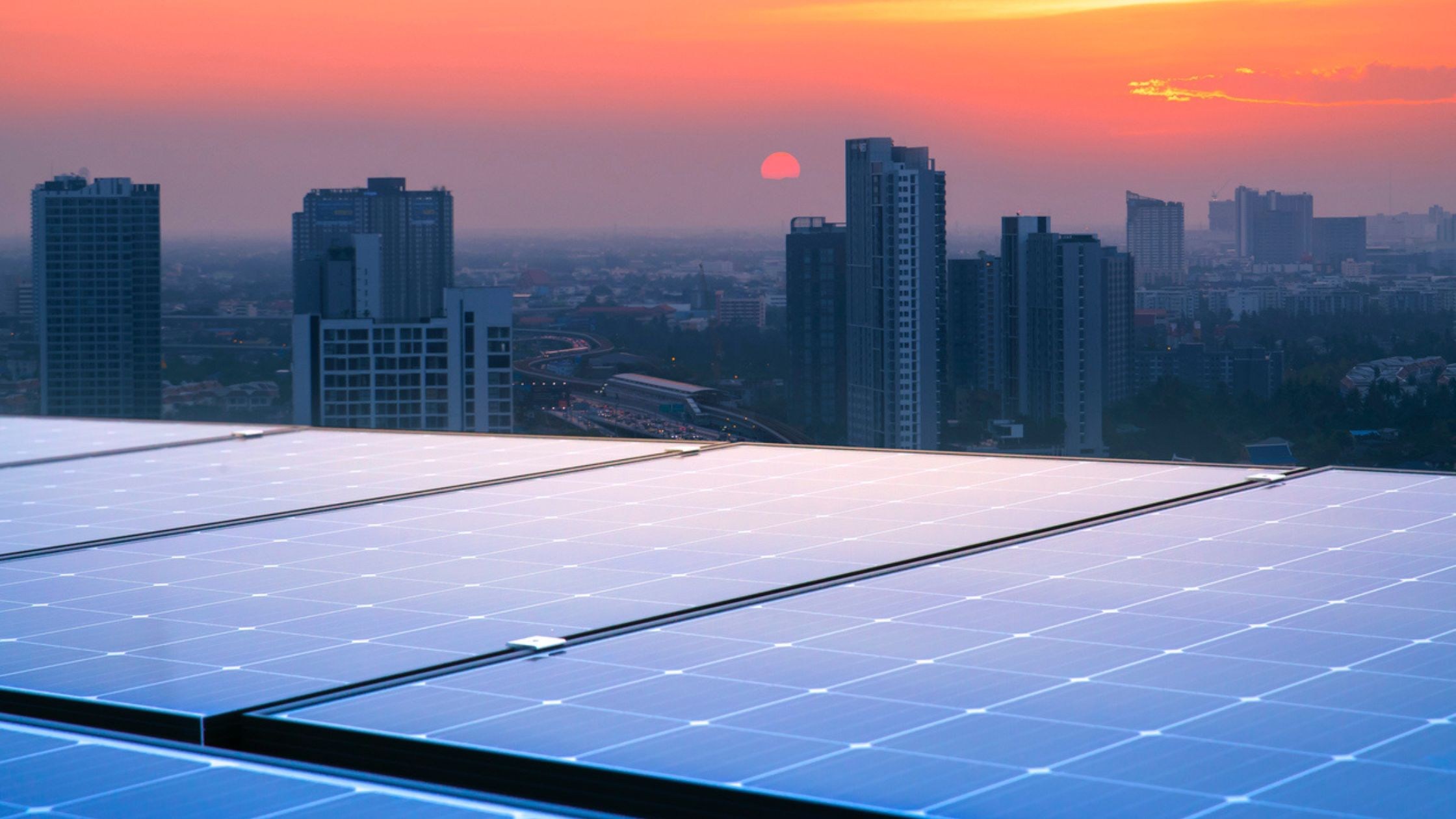
The report found that Thailand had approximately 11.8 GW of installed solar capacity as of early 2026, including 8 GW of utility-scale, ground-mounted projects and 3.6 GW of rooftop solar. Despite strong solar potential, rooftop adoption remains constrained by high installation costs, low buyback rates, restrictive capacity quotas and policy uncertainty. Rooftop solar installations cost around US$936 per kW, nearly 50% higher than in regional markets such as Pakistan, Malaysia and Vietnam.
Under Thailand’s “Solar for Thai People” net billing scheme, the buyback rate of THB2.2 (US$0.07) per kWh remains below average retail electricity tariffs of around THB3.88 (US$0.12) per kWh. This results in residential rooftop solar payback periods of approximately six to seven years. The 90 MW residential quota introduced under the 2019 net billing scheme was also fully utilized by 2024, despite being designed to run until 2030.
IEEFA points to Pakistan’s rapid rooftop solar expansion as a potential model for Thailand. Pakistan has deployed 38 GW of solar capacity since 2018 after reducing trade barriers, avoiding strict capacity caps and implementing a more attractive net metering framework. These measures, combined with lower module prices and high electricity tariffs, reduced payback periods for net-metered systems to less than two years and contributed to more than 350,000 connections by the end of 2025.
For Thailand, IEEFA recommends shifting from net billing to net metering, increasing rooftop solar buyback rates, streamlining tax incentives, removing restrictive capacity limits and self-consumption thresholds, and accelerating solar-plus-battery energy storage deployment. The report estimates that moving to net metering could reduce payback periods to around 5.5 years for 5 kW residential systems and 4.5 years for 10 kW systems.
“Removing regulatory and financial barriers, similar to Pakistan, could boost the scale of rooftop solar adoption in Thailand, support the growth of a domestic solar installation and service industry, reduce electricity costs, and provide consumers with greater energy independence,” said Haneea Isaad, Energy Finance Specialist, Pakistan, IEEFA.
Subscribe to get the latest posts sent to your email.